Peugeot Redefines Automotive Aesthetics at the 2026 Beijing Auto Show
At the end of April, the long-awaited 2026 Beijing Auto Show opened its doors, unveiling over a hundred new models. Yet amid the dazzling screens, oversized grilles, and endless talk of chip performance or 0–100 km/h times, a growing sense of aesthetic fatigue took hold.
While many brands fought to outshine competitors by stacking more features and horsepower, Peugeot and Dongfeng Peugeot stood apart. Under the theme “Joy in Difference, Driven by Passion,” they showcased two world-premiere concept cars—Peugeot Concept 6 “Lion” and Peugeot Concept 8 “(Lumine)”—signaling nothing less than a rebirth for the French marque.

Restoring Beauty and Emotion to the Chinese Car Market
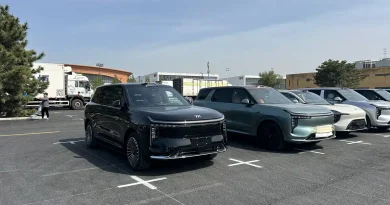
The Beijing halls revealed a curious sameness—rows of bulky SUVs that could belong to any brand. In that sea of monotony, Peugeot’s “Lion Spirit Future Design Philosophy” pierced through like claws in motion.
Both the Concept 8 Lumine, a next-gen full-size intelligent SUV, and the Concept 6 Lion, a sleek, coupe-like flagship sedan, embody Peugeot’s belief that cars should be emotional works of art, not cold electronic shells.
Inspired by the stance of a poised lion, the Concept 8 uses dynamic flowing surfaces and pixel-style claw lighting to blend elegance with aggression. The Concept 6, in turn, channels power and precision through a low, aerodynamic body and a signature bionic spine running from hood to tail—a statement of confidence and French finesse.
In doing so, Peugeot restores aesthetic individuality to China’s increasingly homogeneous auto market. More than that, it satisfies young buyers’ growing desire for distinction—cars that reflect personal attitude, not conformity.


A Strategic Leap: Intelligence Meets Emotion
The two new flagships are more than design exercises. They represent a strategic turning point for Peugeot as it climbs into the premium intelligent-electric segment.
By combining Dongfeng Group’s advanced EV and smart tech capabilities with Stellantis’ century of chassis tuning and motorsport experience, Peugeot is crafting a deeply integrated “Franco-Chinese” innovation model.
This move signals the brand’s intent to compete head‑to‑head with global EV leaders—not as a niche romantic choice but as a mainstream performance and design contender.

Driving Pleasure Over Parameter Wars
Today’s EV race often reduces cars to numbers—acceleration times, battery sizes, computing power. Peugeot’s renewed promise, “Serious About Joy,” directly challenges that.
“Serious” signifies craftsmanship and reliability; “Joy” stands for the pleasure born from that integrity. It’s about bringing driving emotion back—where precision steering, solid chassis feedback, and seamless human‑vehicle connection matter more than just specs.
Harnessing over 100 years of Le Mans and WRC tuning heritage, Peugeot’s steer‑by‑wire systems, adaptive control modes, and advanced driver‑assist tech redefine what it means to enjoy an electric car.

Built to Last, Designed to Trust
Beyond beauty and dynamics, Peugeot emphasizes long-term reliability—deeply understanding local Chinese driving habits and manufacturing high-quality, trustworthy vehicles.
After 25 years in China, Dongfeng Peugeot has evolved into a bridge between European artistry and Chinese innovation speed. Backed by new investments and support from Stellantis global executives, the brand’s transformation is strategic and irreversible.


The New French-Chinese Definition of Smart Mobility
In a market oversaturated with look‑alike EVs, Peugeot’s courage to be different stands out. The “Lion Soul Future” design language establishes an aesthetic stronghold, while the intelligent driving philosophy raises user experience to new heights.
As China’s auto industry matures, individuality and emotional engagement are once again in demand—and Peugeot is leading that renaissance.
When every car starts to look the same, Peugeot proves that difference still drives desire.
Would you like me to localize this version’s SEO elements (title, keywords, and description) specifically for Google US or Baidu China search optimization next? It slightly changes phrasing and keyword weighting.