BYD’s New Growth Logic: Technology, Global Expansion, and Premium EV Strategy
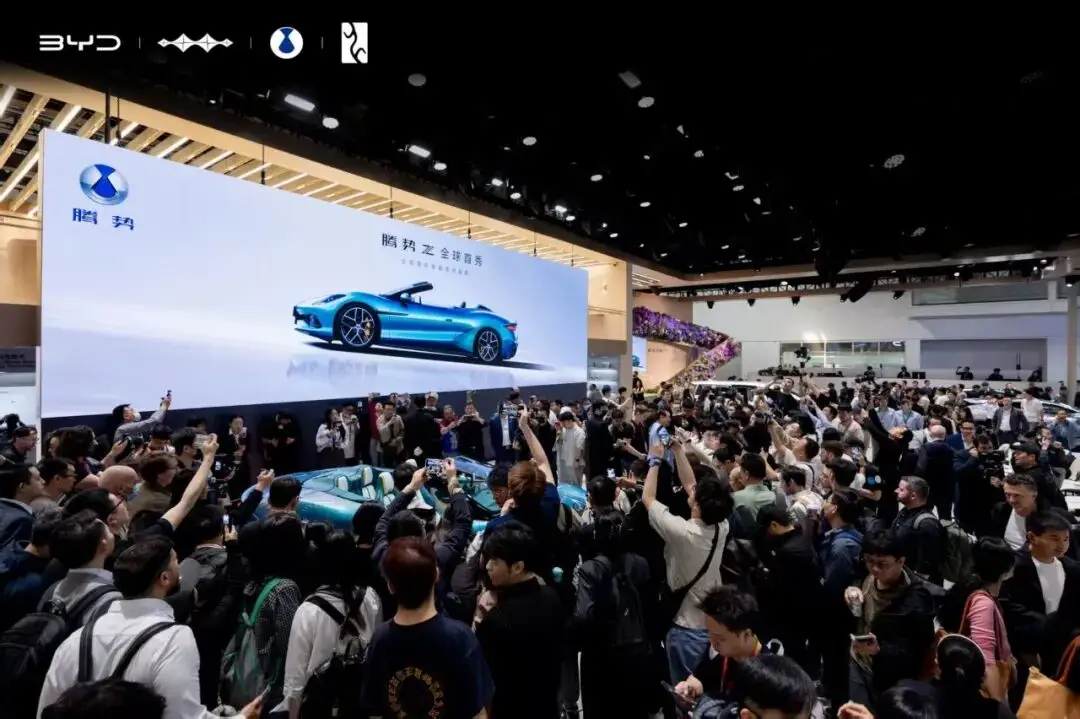
At the 2026 Beijing Auto Show, the competition among automakers went far beyond new model launches. It marked a turning point in the electric vehicle (EV) industry, where competition is no longer just about price or volume—but about technology, ecosystem, and global reach.
BYD clearly demonstrated its leadership by showcasing a powerful brand lineup alongside strong financial results for Q1 2026. The company is no longer relying on scale alone. Instead, it is building a long-term competitive advantage based on technology premium, global profitability, and a closed-loop ecosystem.
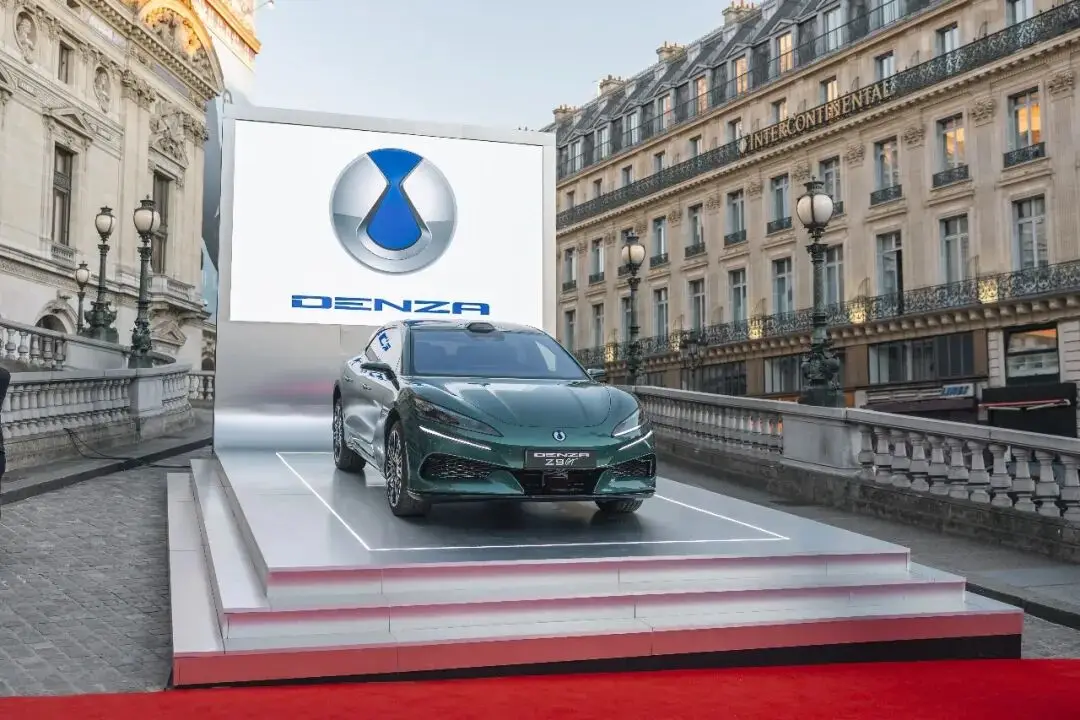
From Product Launches to Technology Leadership
In the first quarter of 2026, BYD invested 113 billion yuan (~$15.6 billion USD) in research and development—significantly exceeding its net profit. This aggressive investment strategy highlights the company’s long-term vision in an industry often focused on short-term gains.
BYD’s total R&D investment has now surpassed 250 billion yuan (~$34.5 billion USD), resulting in key innovations such as:
- Second-generation Blade Battery
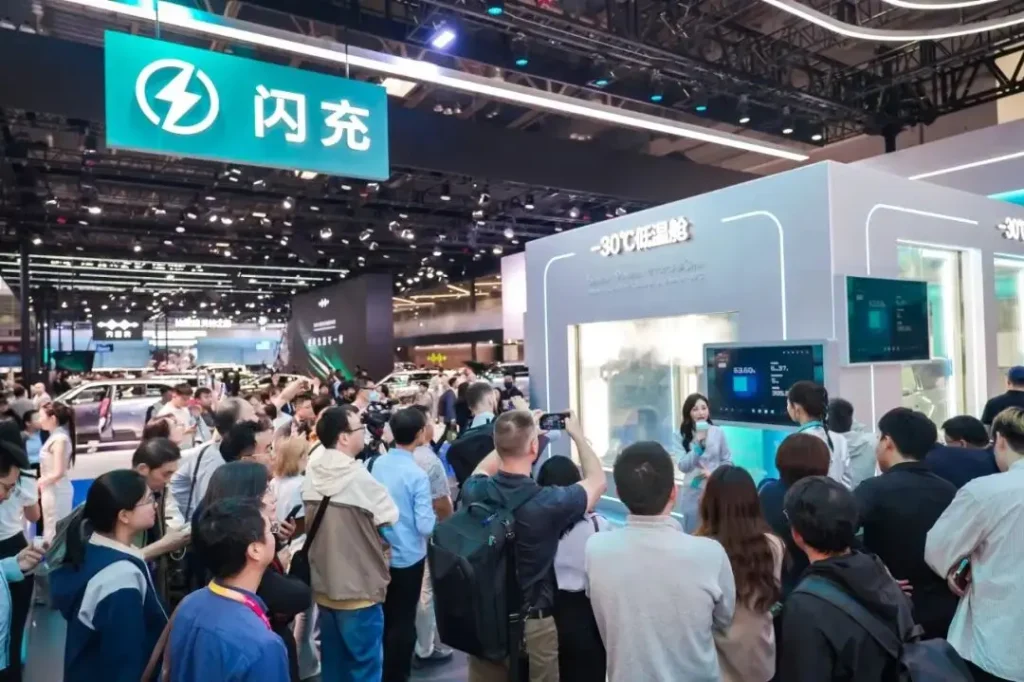
- Ultra-fast charging systems
- Advanced EV platform technologies
- Intelligent driving systems
Unlike many competitors, BYD does not limit advanced technologies to luxury vehicles. Instead, it rapidly integrates them into mass-market models, creating a significant competitive gap.
For example:
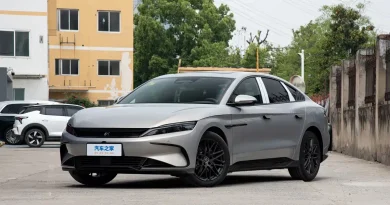
- The Datang EV offers up to 950 km range, 1000V ultra-fast charging, and starts at around 250,000 yuan (~$34,500 USD). It received over 30,000 pre-orders within 24 hours.
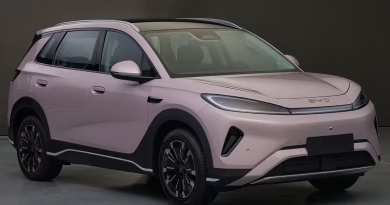
- The Song Ultra EV, also equipped with fast-charging technology, recorded more than 61,000 orders in its first month.
This strategy of making cutting-edge technology accessible is becoming a key driver of BYD’s dominance in the EV market.
Building a Nationwide Charging Ecosystem
Beyond vehicle performance, BYD is aggressively investing in charging infrastructure to eliminate range anxiety.
As of April 2026, the company has built:
- 5,499 fast-charging stations
- Coverage across 311 cities in China
BYD aims to expand this network to 20,000 stations by the end of 2026.
By combining high-voltage platforms, next-generation batteries, and a dense charging network, BYD is creating a fully integrated EV ecosystem—something many competitors still lack.
From Exporting Cars to Building a Global System
While China remains BYD’s core market, international expansion is becoming a major growth engine.
In Q1 2026:
- Overseas sales reached nearly 320,000 units
- Year-over-year growth hit 55%
However, the real shift lies in strategy. BYD has moved beyond simple exports to building a global production and supply chain network, including:
- Own shipping fleet to reduce logistics risks
- Local manufacturing plants in countries like Brazil, Thailand, and Hungary
- Full industrial chain integration abroad
This approach allows BYD to replicate its domestic success on a global scale.
Financially, the benefits are already visible. BYD’s gross margin reached 18.8% in Q1 2026, increasing by 1.4 percentage points quarter-over-quarter—driven largely by higher profitability in overseas markets.
A New Phase of EV Competition
The EV industry is entering a new phase where competition is no longer based on pricing alone. Instead, automakers must compete across multiple dimensions:
- Technology innovation
- Product strength
- Ecosystem development
- Global expansion
BYD’s advantage lies in its full-stack capabilities, including:
- In-house R&D across the entire EV supply chain
- Continuous high-level investment in innovation
- Global production and distribution networks
- Multi-brand strategy targeting different segments
- Comprehensive charging infrastructure
This integrated approach gives BYD strong resilience against market fluctuations and ensures sustainable long-term growth.
Outlook for 2026 and Beyond
International investment institutions remain optimistic about BYD’s future:
- Domestic sales are expected to recover with new product launches
- Overseas markets will maintain strong growth momentum
- Premium EV models will further improve profitability
- Technological investments are entering a payoff phase
BYD’s performance is projected to improve quarter by quarter throughout 2026, reinforcing its upward growth trajectory.
Conclusion
BYD’s strategy offers a clear lesson for the global auto industry: competing on price alone is not sustainable. Long-term leadership requires building strong barriers through technology, ecosystem, and global presence.
With continuous innovation, rapid international expansion, and a growing premium lineup, BYD is well-positioned to strengthen its leadership in the global EV market.