Nissan to Manufacture Chery Vehicles at Sunderland Plant as Chinese Brand Surges to #2 in UK Sales
Nissan and Chery Automobile have formally confirmed they are in advanced talks over a contract manufacturing agreement that could see Chinese vehicles roll off the iconic Sunderland production line as early as fiscal year 2027. The two automakers have signed a non-binding Memorandum of Understanding (MoU) to explore the arrangement, marking one of the most significant Sino-Japanese automotive partnerships in recent memory.

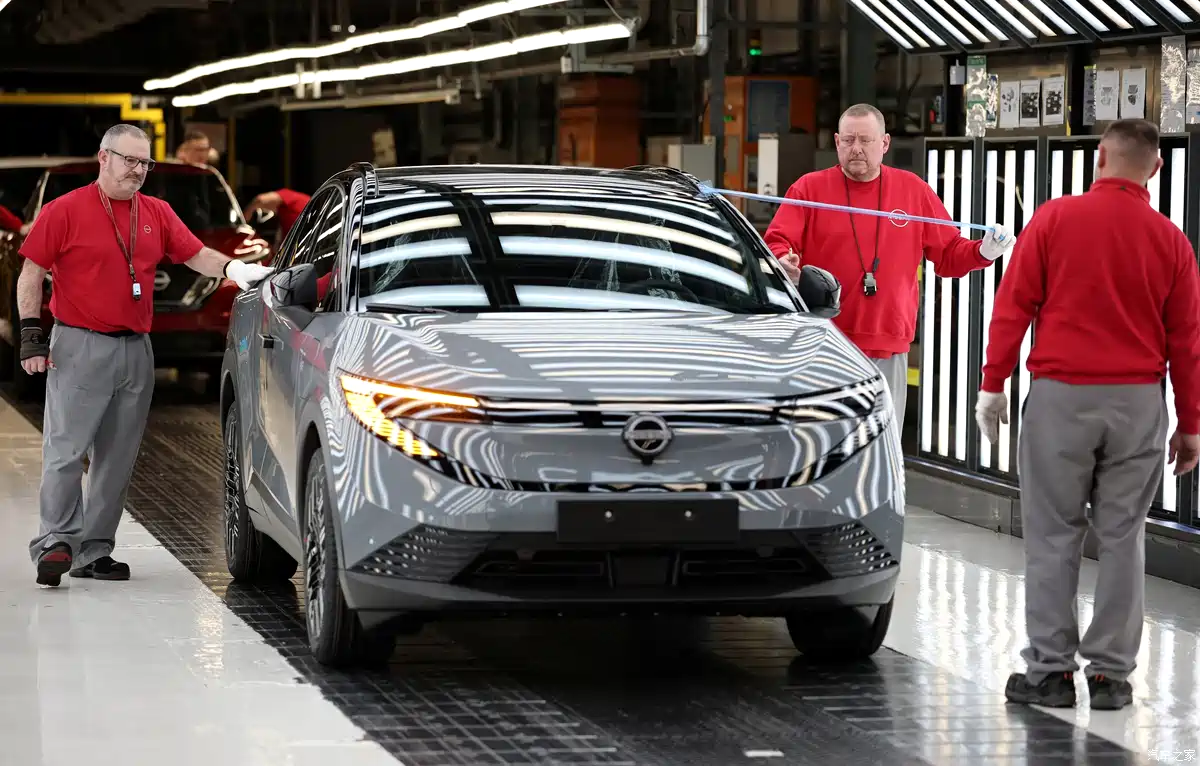
Under the proposed deal, Nissan would retain full ownership of the Sunderland facility, while existing Nissan employees would handle production of Chery-branded models. The timing is driven in part by idle capacity at the plant following Nissan’s earlier decision to consolidate its two production lines — freeing up one line that could now be dedicated to Chery vehicles.
Nissan said it is “very much looking forward” to the potential collaboration. The models earmarked for production would be passenger cars developed specifically for the UK market, though exact nameplates have not yet been announced.
Chery’s UK Momentum Makes the Case
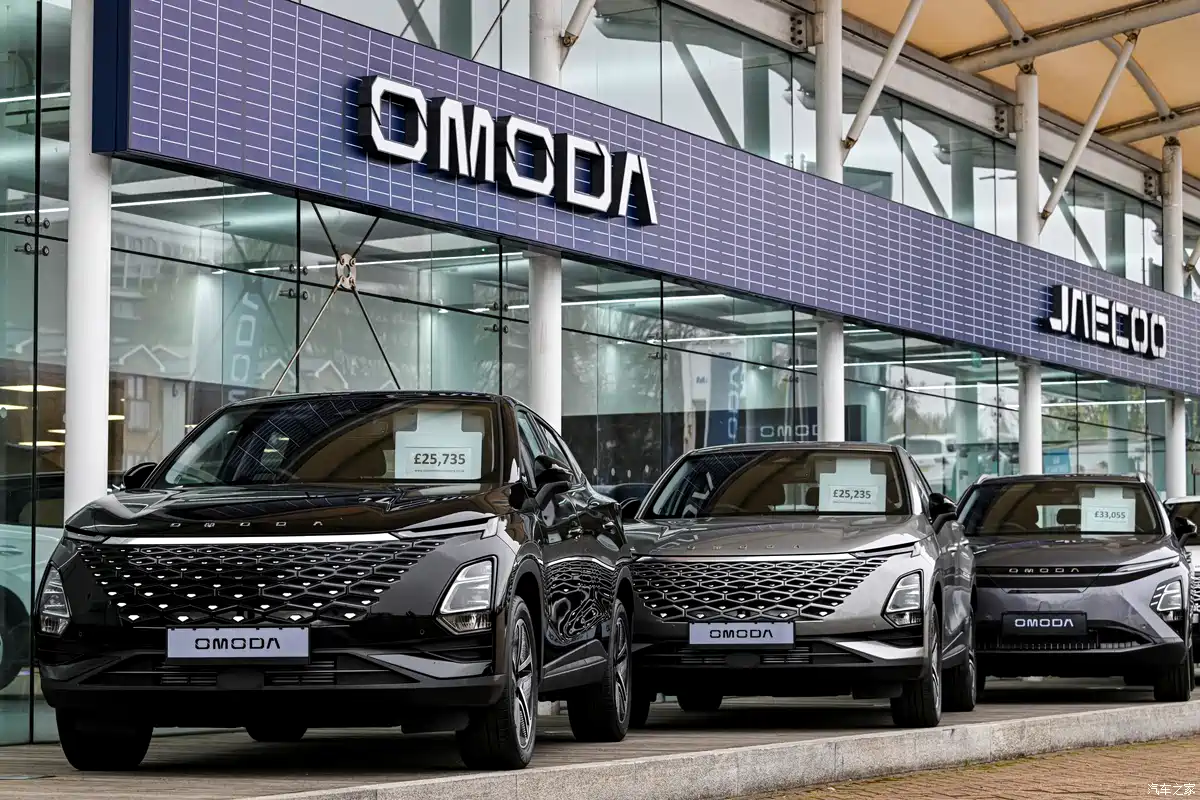
The commercial logic behind the deal is hard to ignore. Chery’s three UK brands — Chery, Jaecoo, and Omoda — combined for 10,052 unit sales in April 2026, dwarfing Nissan’s 4,079 units over the same period. Official UK registration data placed Chery second only to Volkswagen (12,884 units) in April — a remarkable result for a Chinese automaker that entered the British market only recently.
The brand’s global export machine is equally impressive: Chery shipped 181,871 vehicles overseas in May 2026 alone, a year-on-year jump of 80.5%. Cumulative exports for January–May 2026 reached 752,755 units, up 69.5% compared to the same period last year.
Chery has also been raising its profile in the UK through high-visibility sponsorships, including title sponsorship of the UNICEF Soccer Aid event held at a London stadium on May 31, 2026, attended by sprint legend Usain Bolt.

Why Sunderland?
For Chery, local production in the UK addresses both logistical costs and the reputational advantage of a “Made in Britain” badge — particularly valuable as trade dynamics between the UK and China remain complex post-Brexit. For Nissan, the arrangement offers a revenue stream from otherwise underutilised capacity without requiring fresh capital investment or changes to workforce structure.
If negotiations proceed on schedule, production could begin in Nissan’s fiscal year 2027 (starting April 2027), positioning Chery to further close the gap on Volkswagen and cement its status as a mainstream player in the UK automotive market.