Voyah Taishan X8 Review: Specs, Price & Launch (2026)
Voyah has officially pulled the wraps off the Taishan X8, a five-seat large SUV that slots beneath the brand’s flagship six-seat Taishan and goes on sale from ¥292,900 (approx. $43,074). Packed with Huawei’s latest smart-driving hardware, a triple-chamber air suspension, and your choice of plug-in hybrid or pure-electric powertrains — all on an 800V architecture — the Taishan X8 arrives as one of the most comprehensively equipped large SUVs in the Chinese market right now.
Pre-sale orders placed over the past 30 days already topped 50,000 units, signalling serious consumer appetite even before first deliveries begin.
Pricing: Five Variants, Two Powertrains
The Taishan X8 launches in five grades. All prices are in Chinese yuan (CNY) with US dollar equivalents calculated at the prevailing rate of approximately 6.80 CNY/USD (May 2026).
Smart PHEV Max: ¥292,900 ~$43,074
Smart PHEV Ultra: ¥329,900 ~$48,515
Smart PHEV Ultra+: ¥359,900 ~$52,926
Smart EV Ultra: ¥339,900 ~$49,985
Smart EV Ultra+: ¥379,900 ~$55,868
Design: Big Presence, Sporting Edge
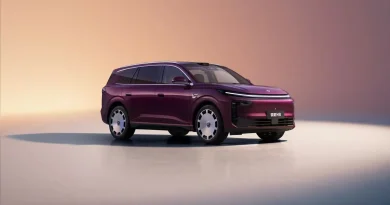
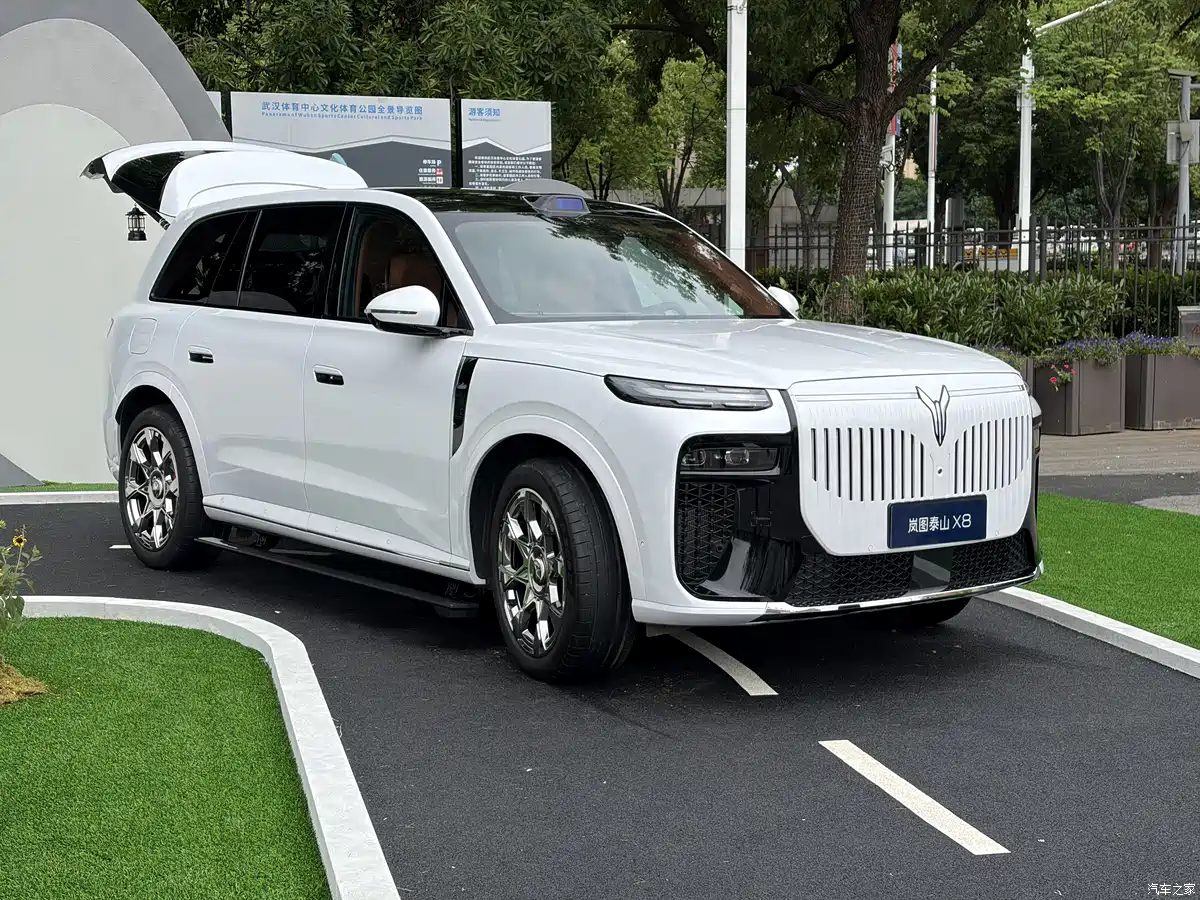
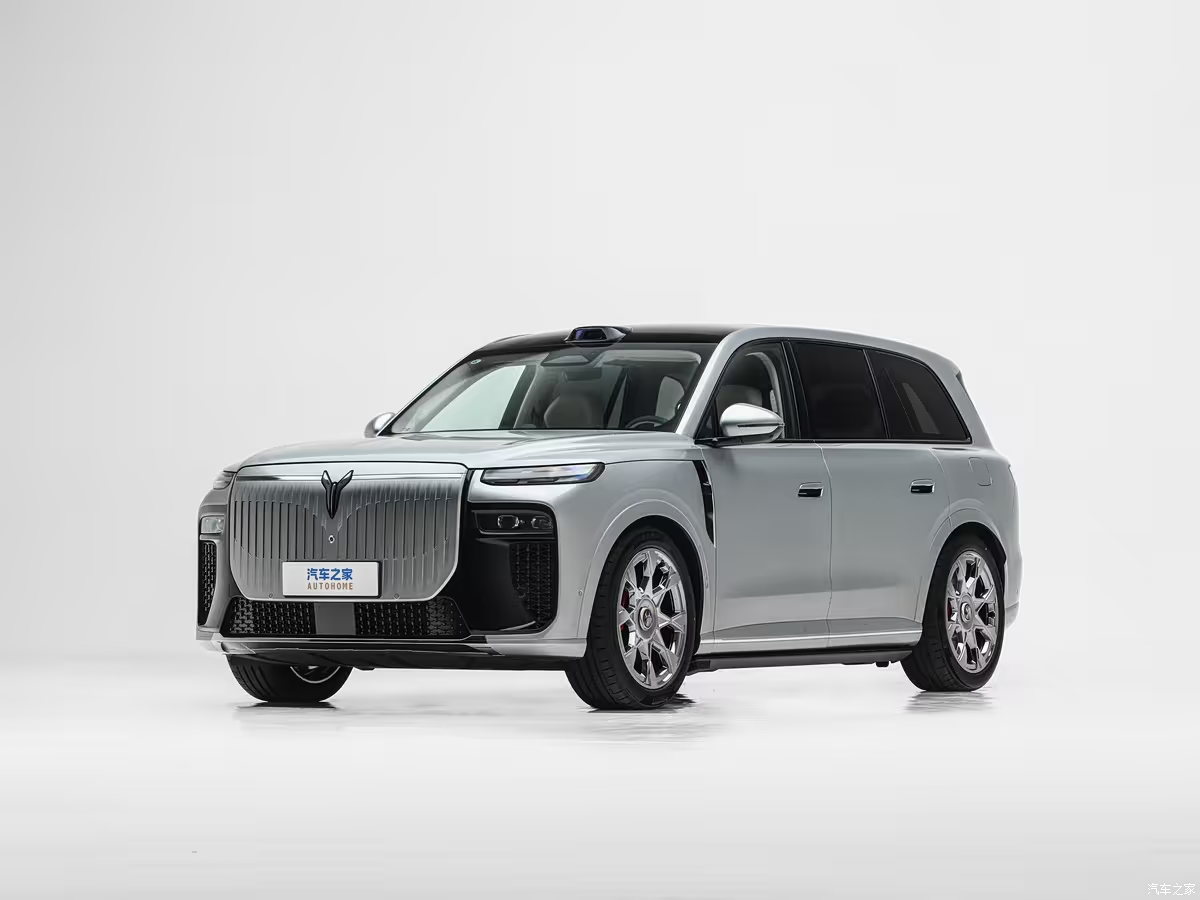
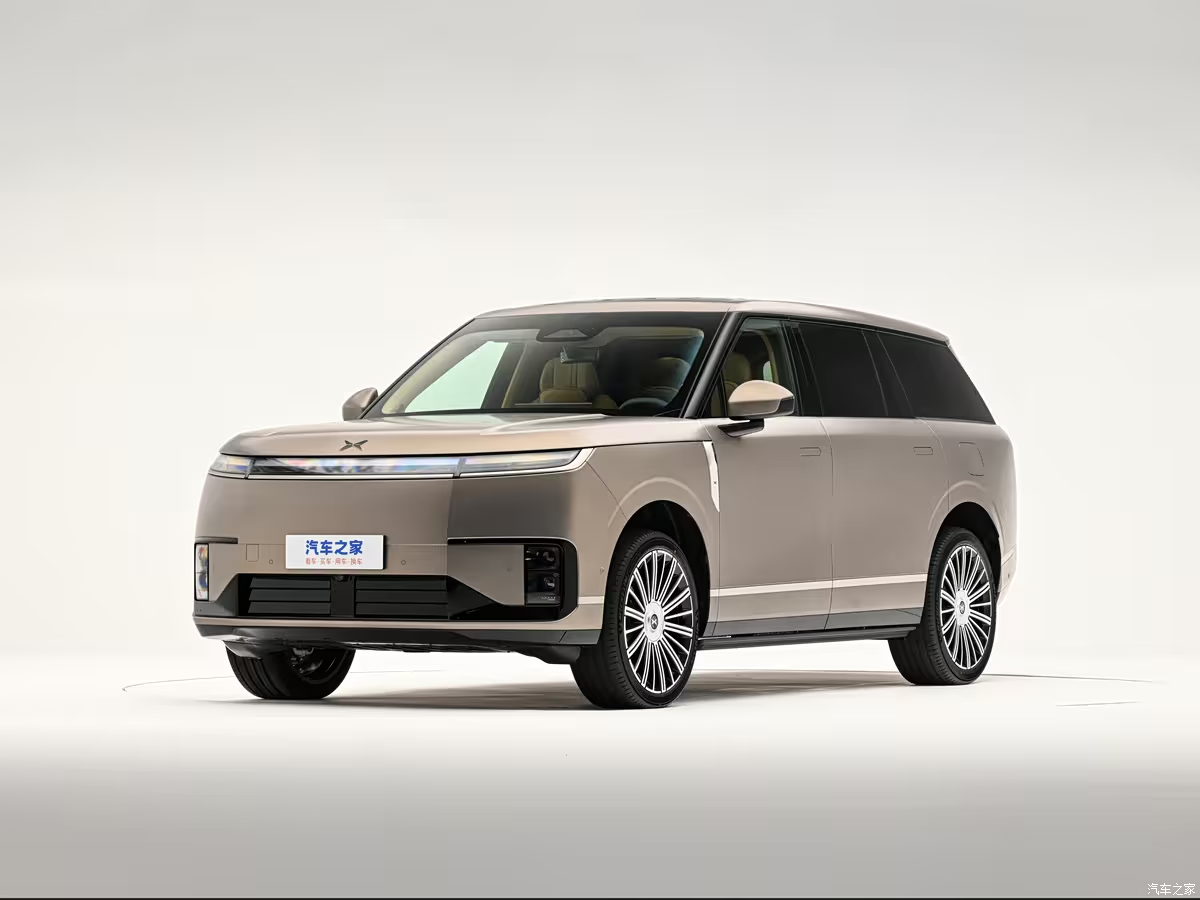
The Taishan X8 inherits the family design language of the larger Taishan while carving out its own sportier identity. The front fascia centres on an active illuminated grille that opens and closes depending on cooling demands, flanked by a split headlamp arrangement where the main projector units are recessed into the darkened lower bumper — a deliberate choice to sharpen the car’s silhouette. DLP smart-projection headlights are standard across the range.
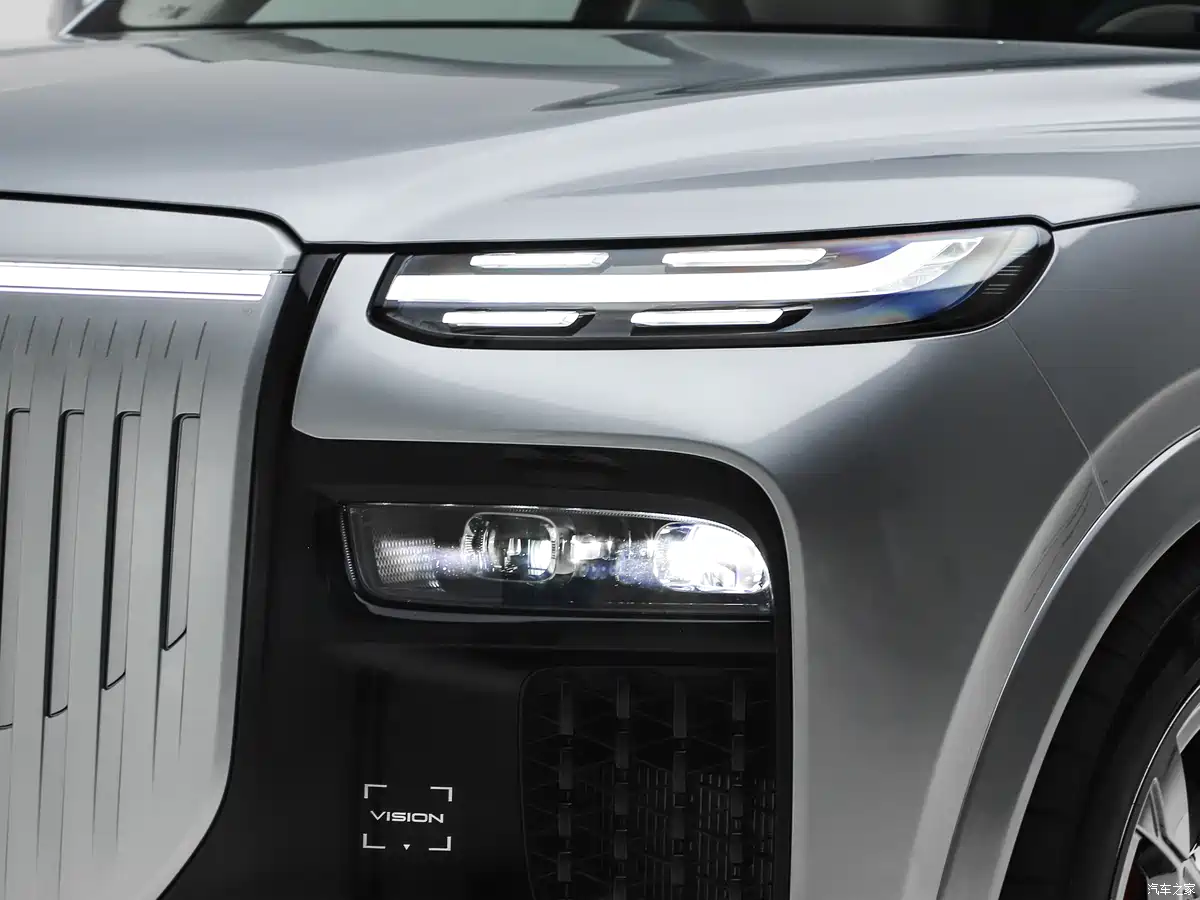
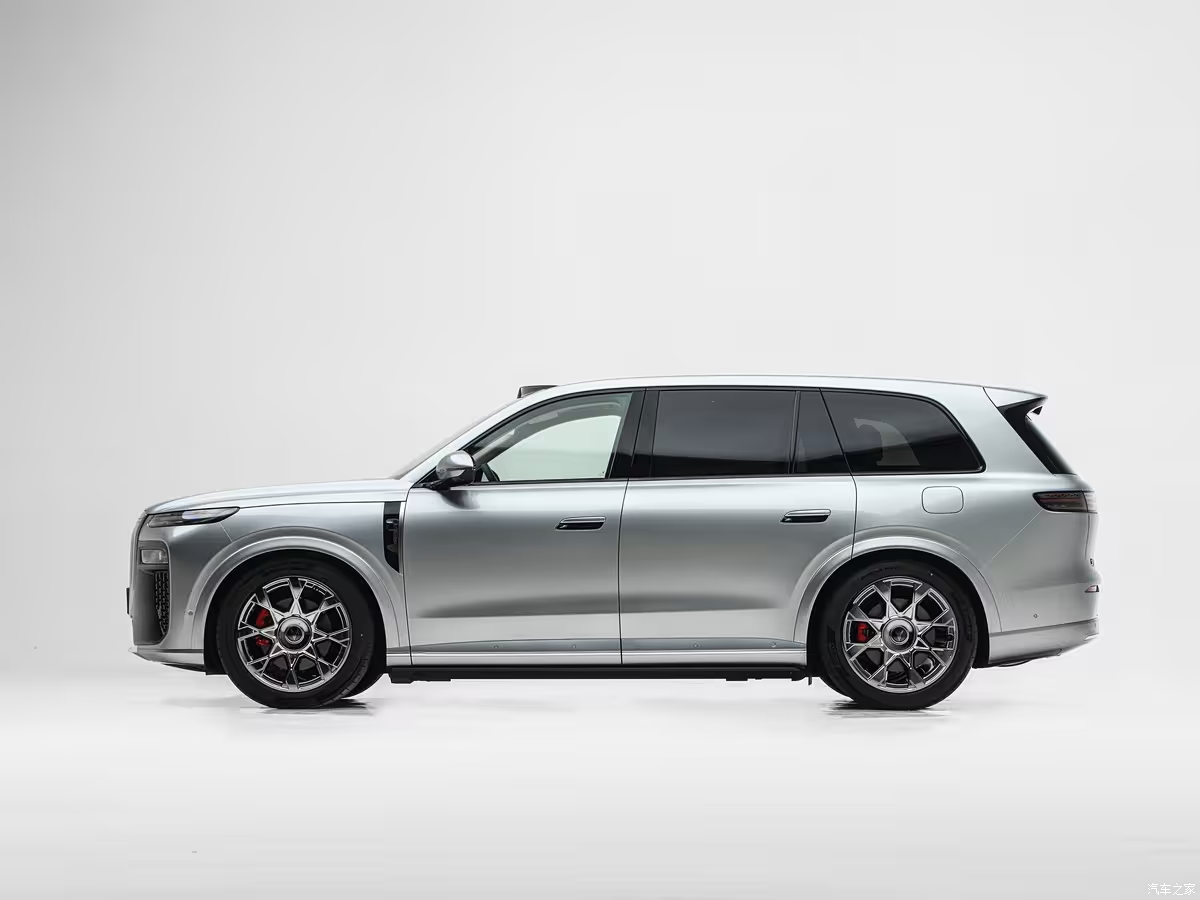
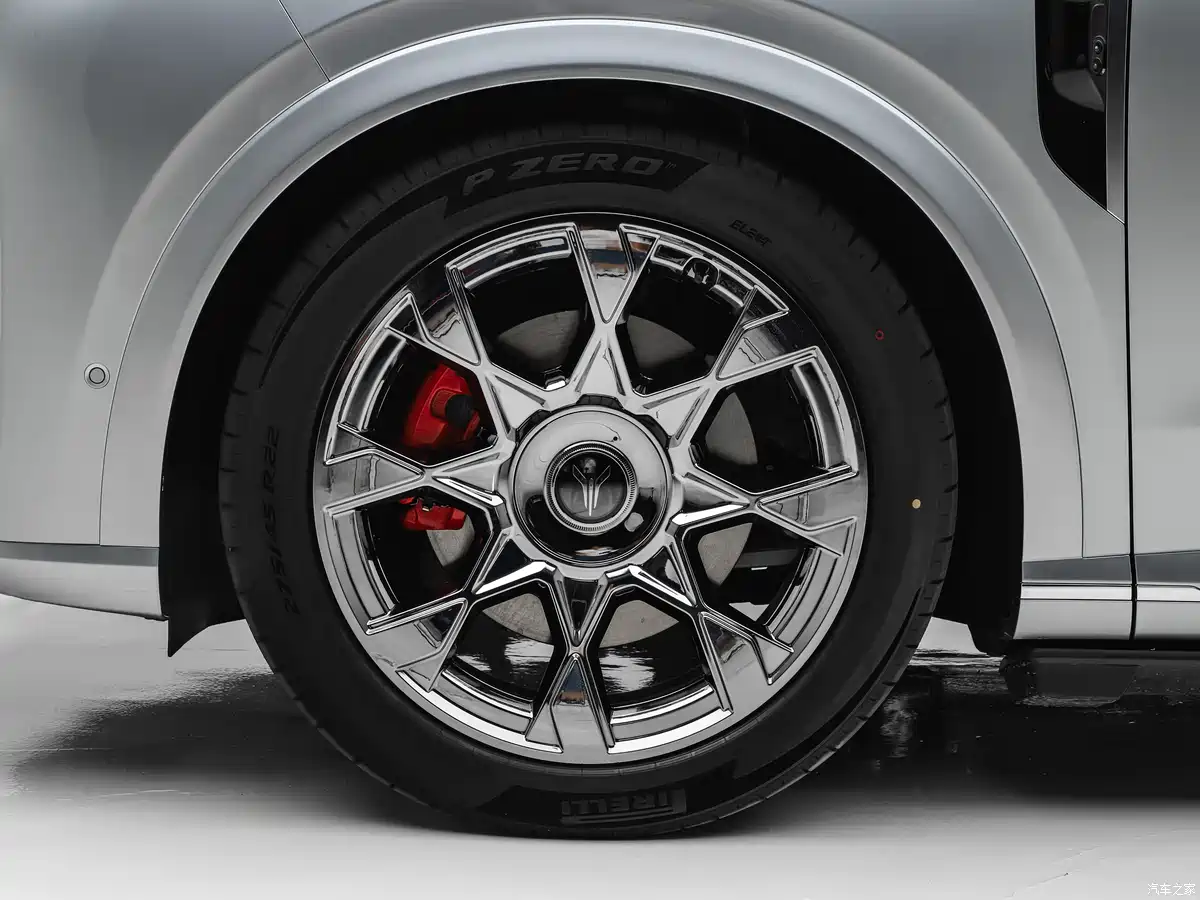
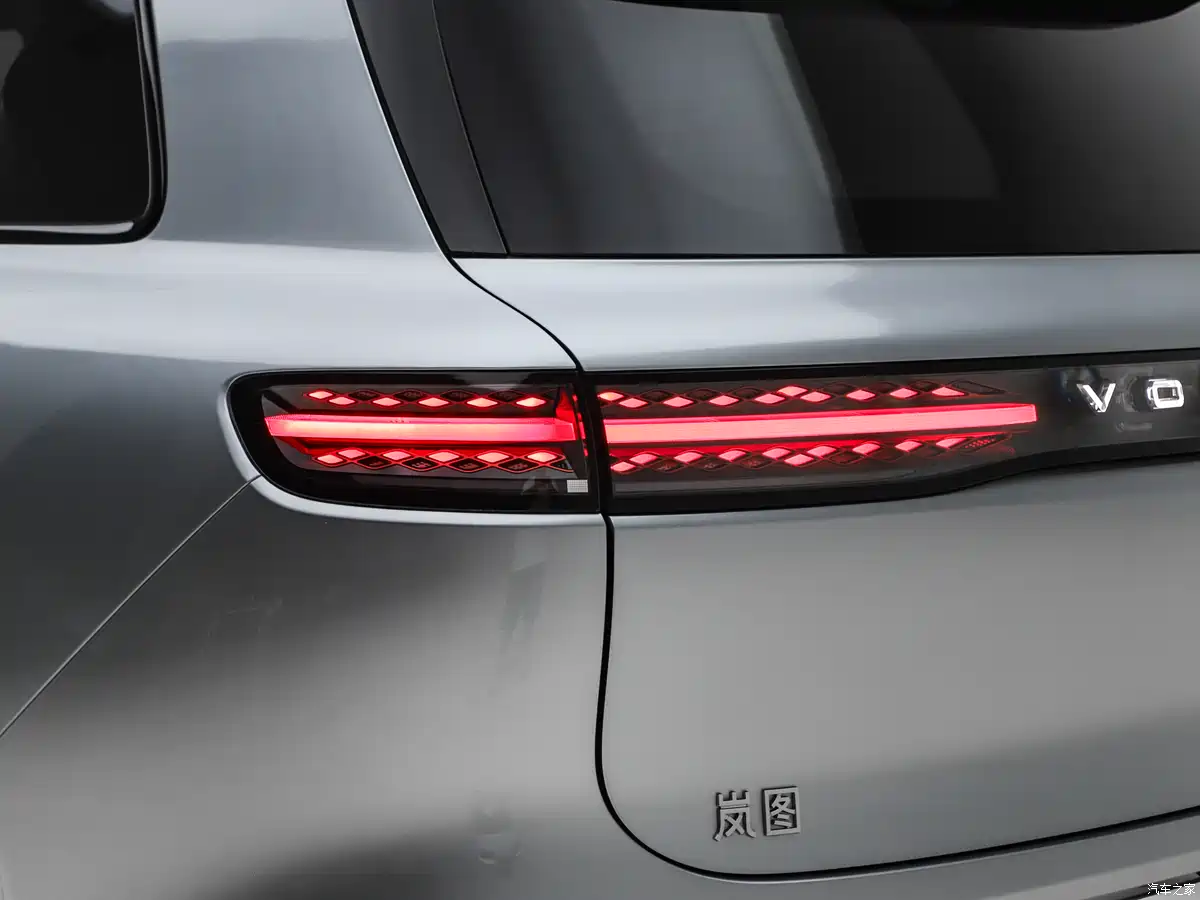
Body dimensions are substantial without quite matching the larger Taishan: the X8 measures 5,200 mm long, 2,025 mm wide, and 1,814 mm tall, on a 3,090 mm wheelbase. Running gear includes 21-inch split-spoke wheels with red brake calipers, flush retractable door handles, and power-assisted welcome steps. A full-width rear light bar integrates an illuminated Voyah script at its centre.
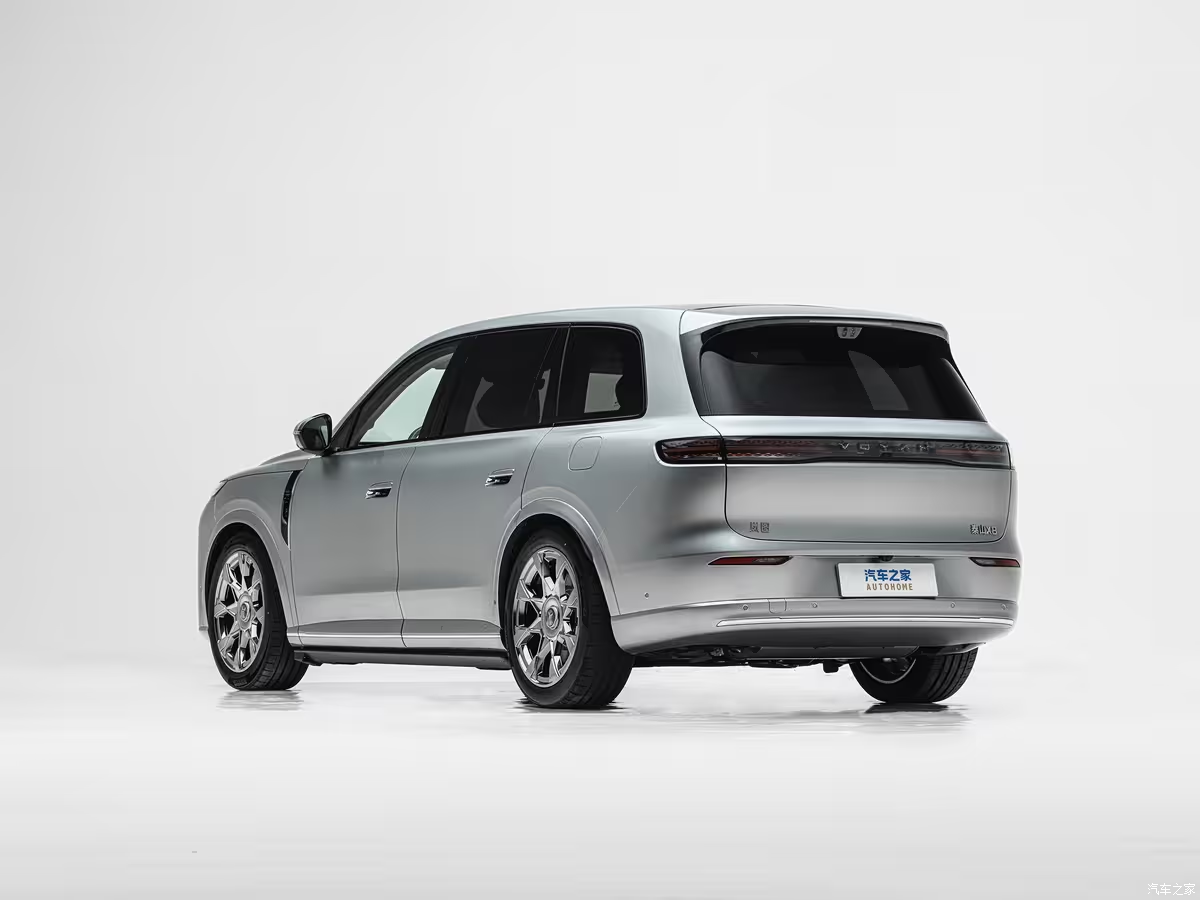
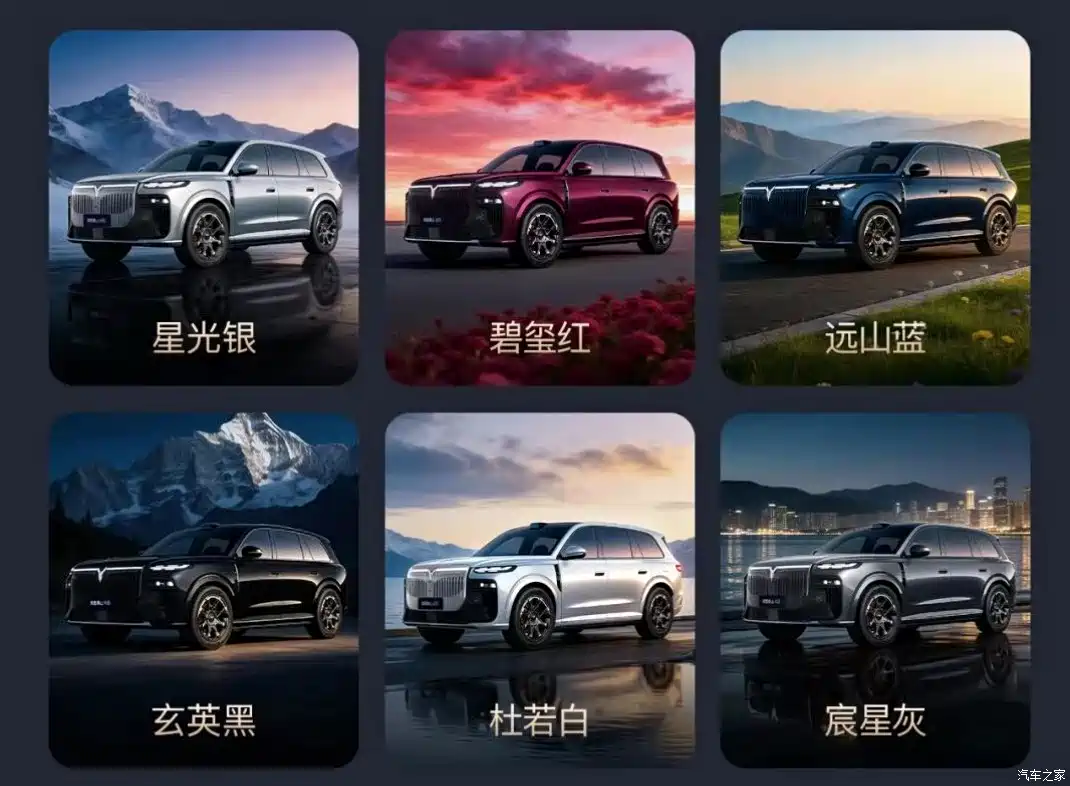
Six exterior colours are available: Starlight Silver, Ruby Red, Mountain Blue, Obsidian Black, Gardenia White, and Meteor Grey.
Worth reading review of the best Chinese SUVs of 2026
Interior: Tech-Forward and Genuinely Luxurious
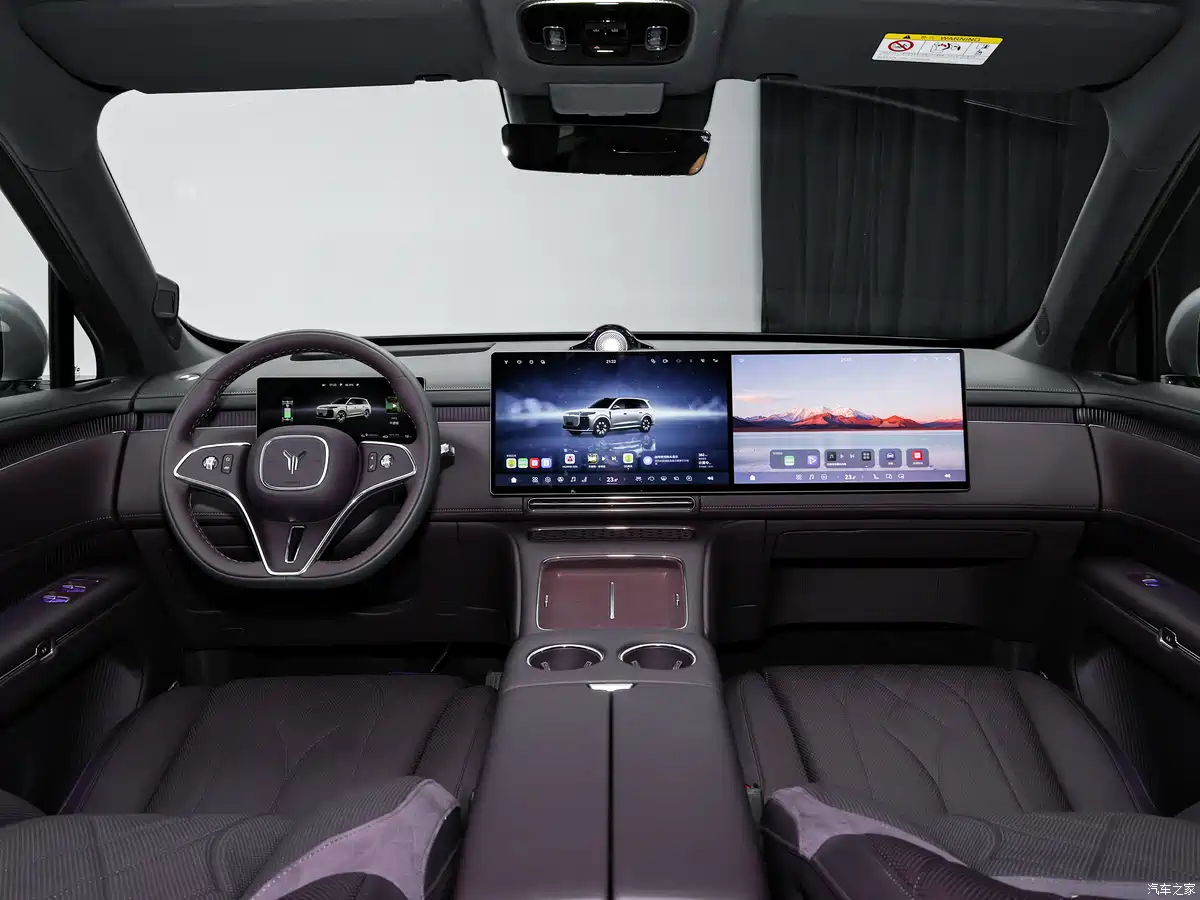
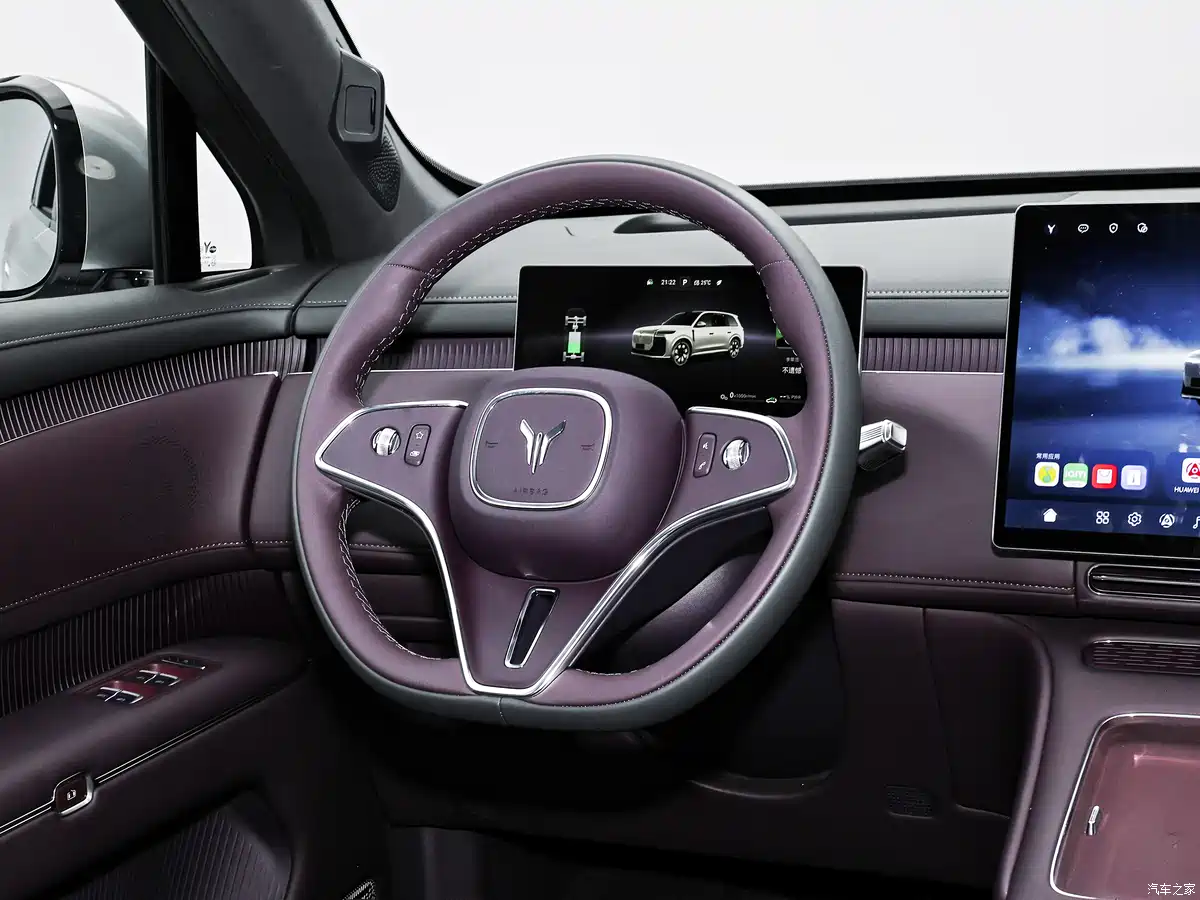
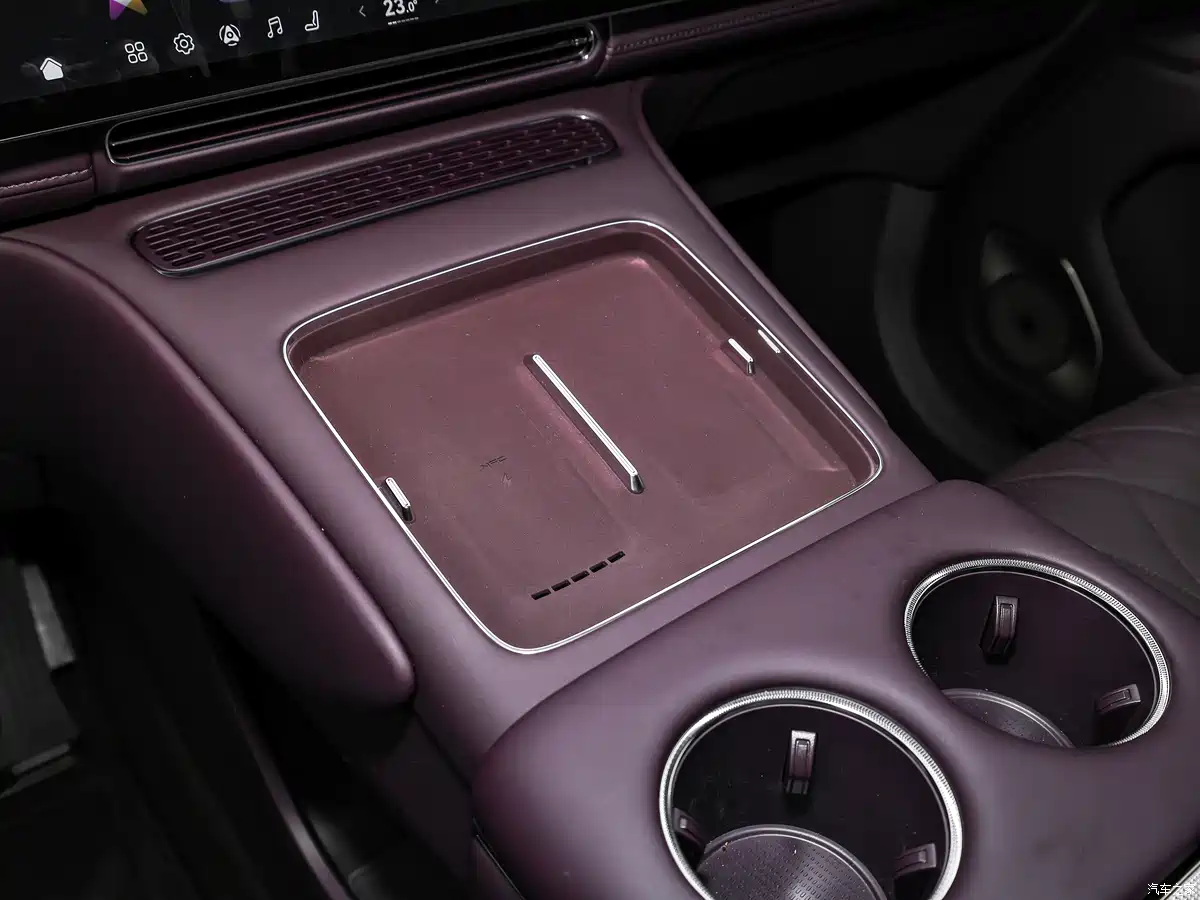
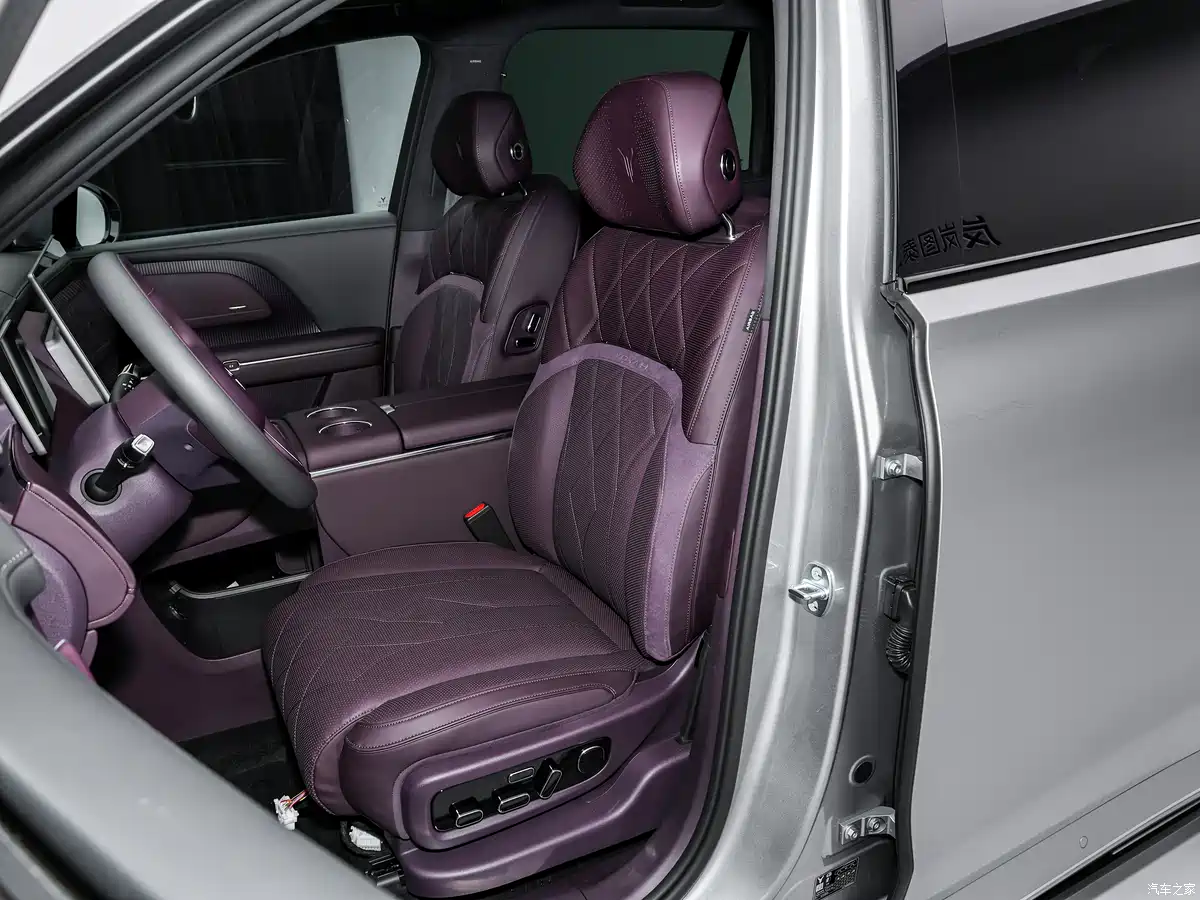
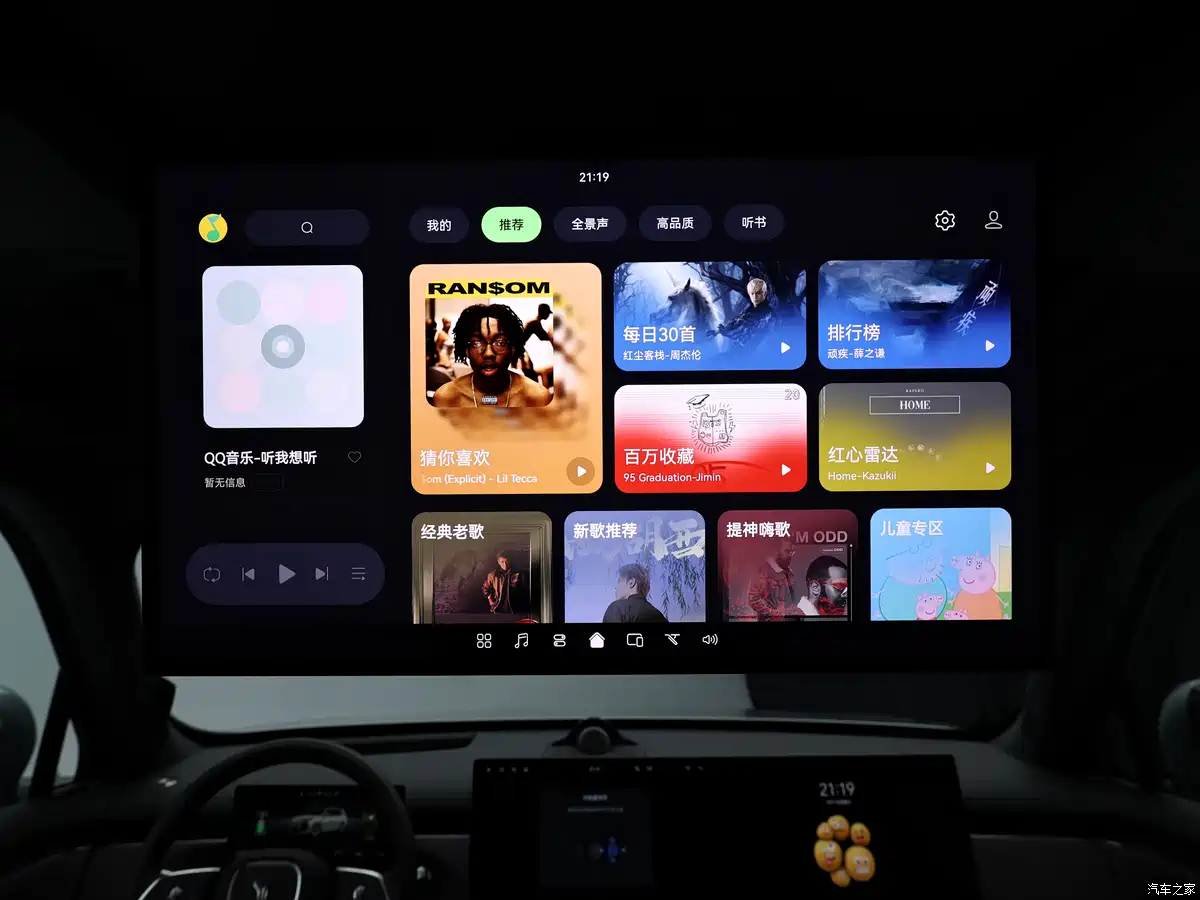
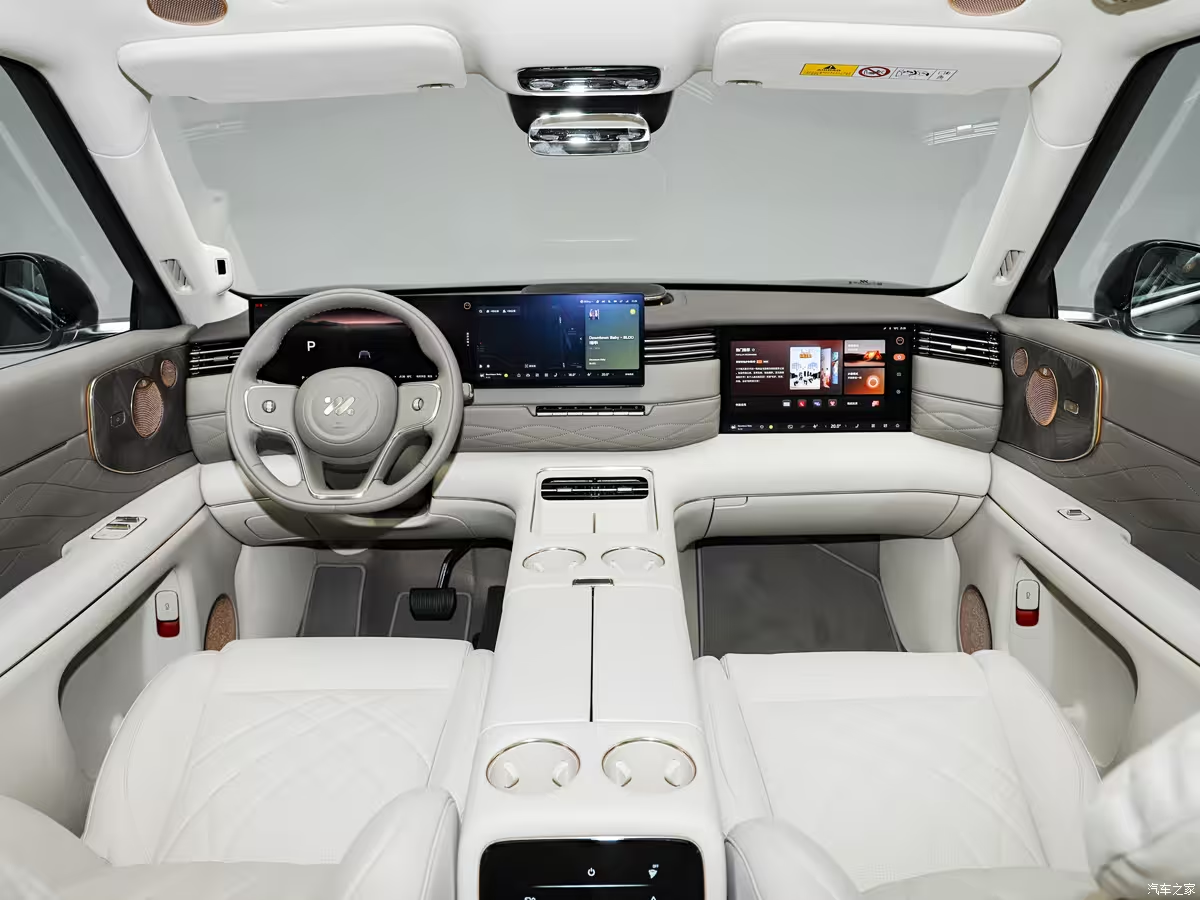
Inside, three colour schemes — Rosewood, Ember Orange, and Cedar — complement an ambient lighting system that wraps the entire cabin. The key upgrade over the six-seat Taishan is the addition of a front-passenger display, creating a dual-screen setup with two 15.6-inch panels running Huawei’s HarmonySpace 5.2 operating system and the MOLA large-language-model voice assistant. A 10.25-inch digital instrument cluster and a vast 55-inch AR-HUD complete the digital layer. Physical buttons in the centre console have been eliminated entirely; a 50 W wireless charging pad handles device power.
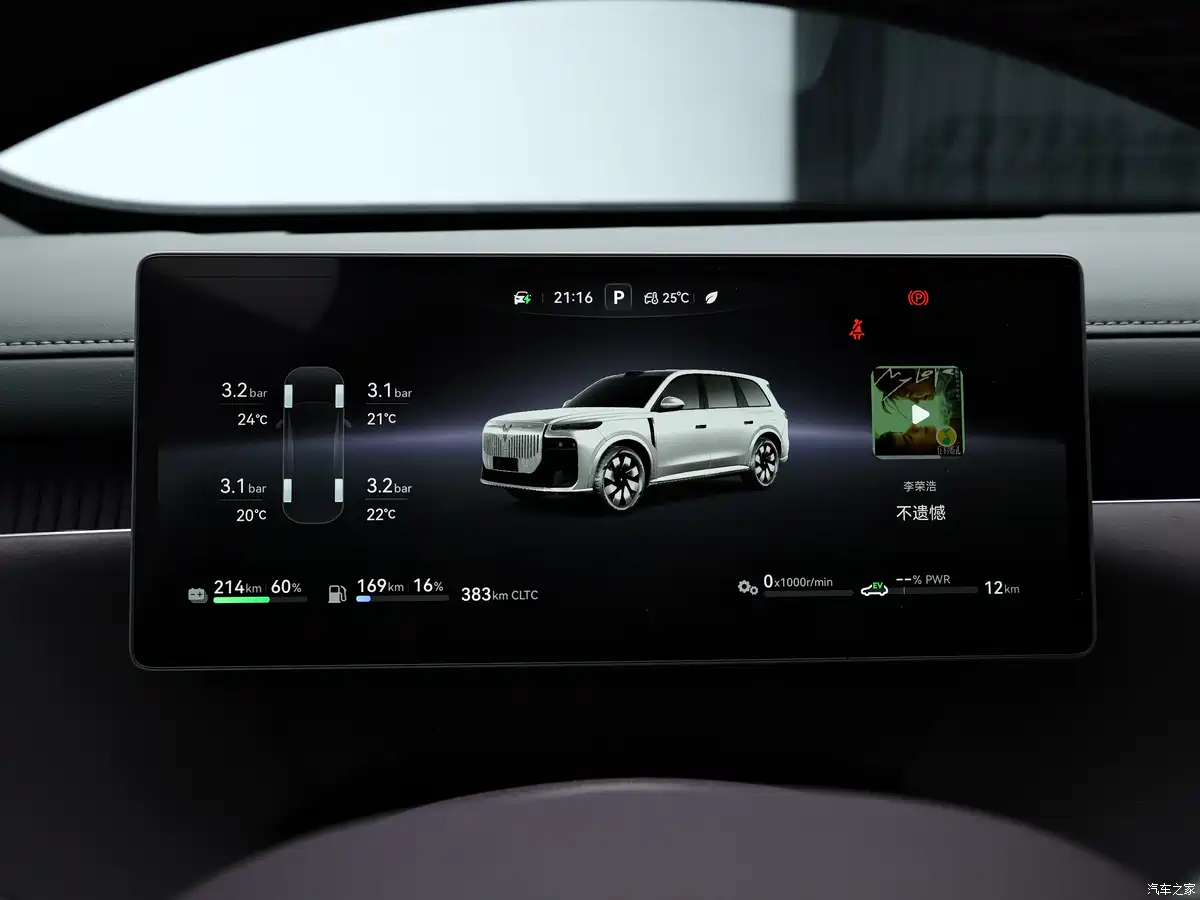
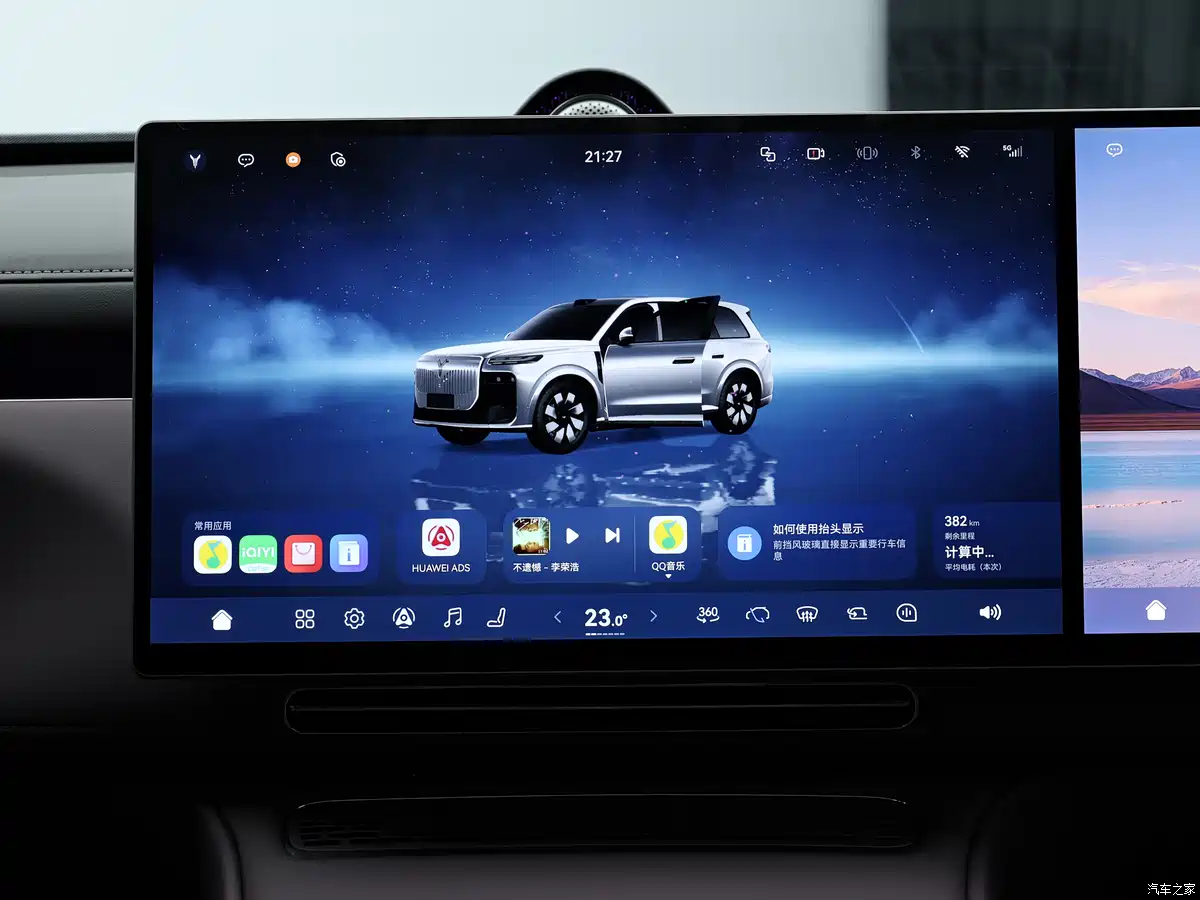
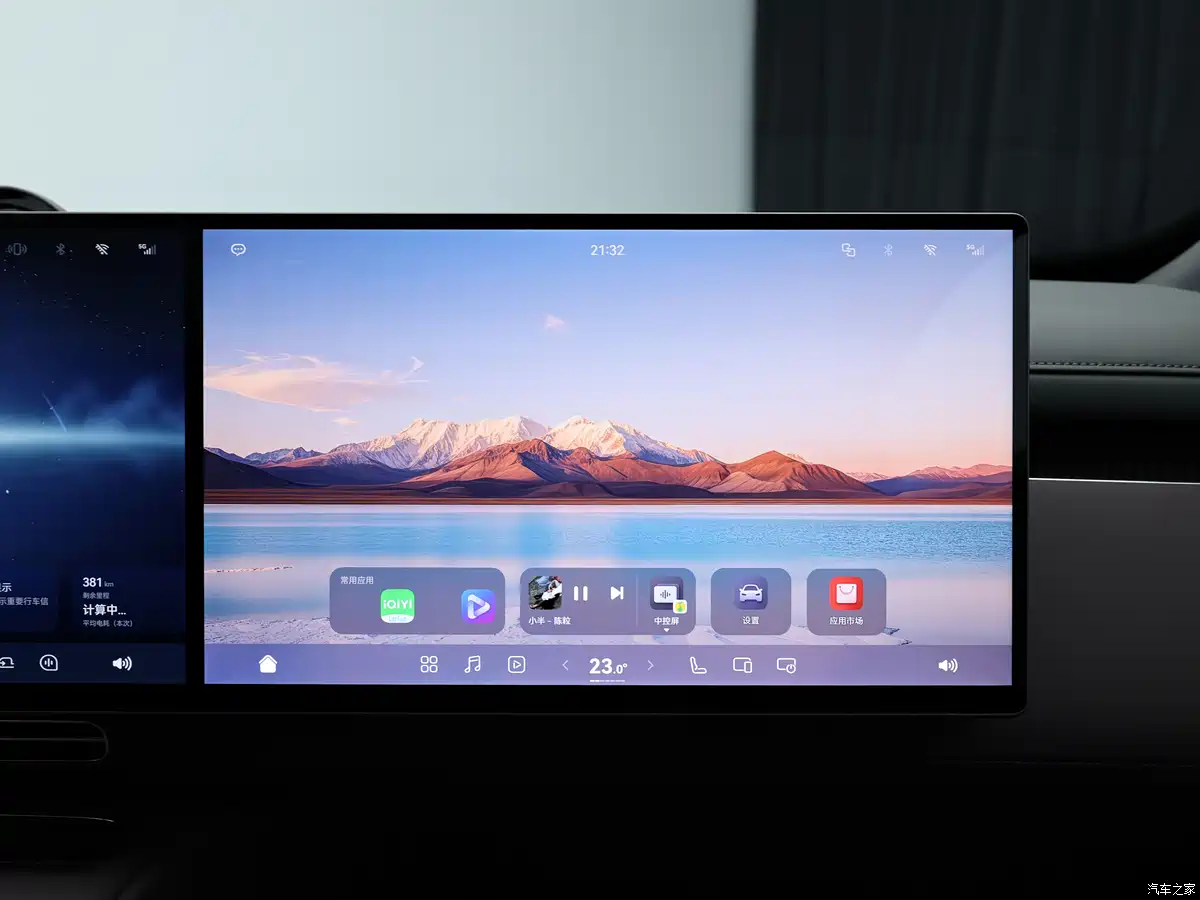
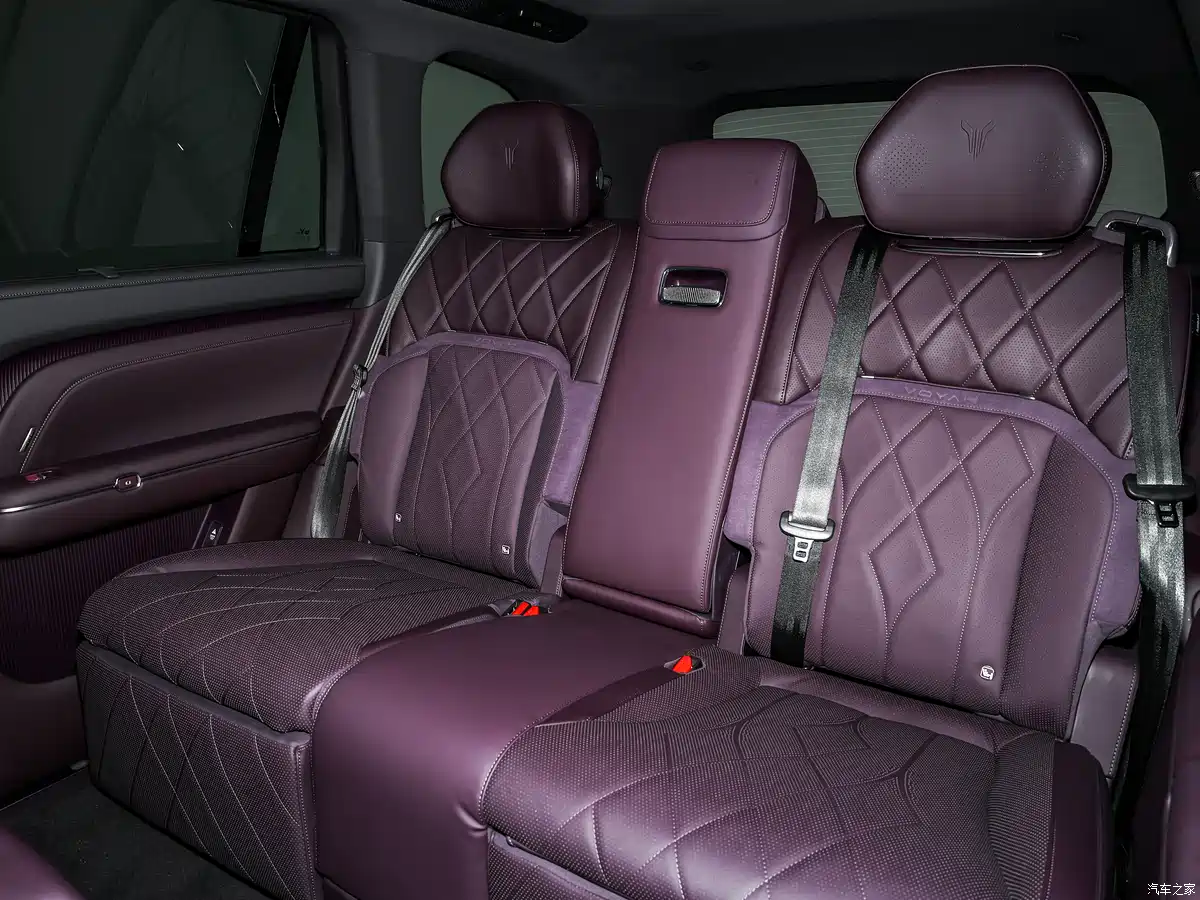
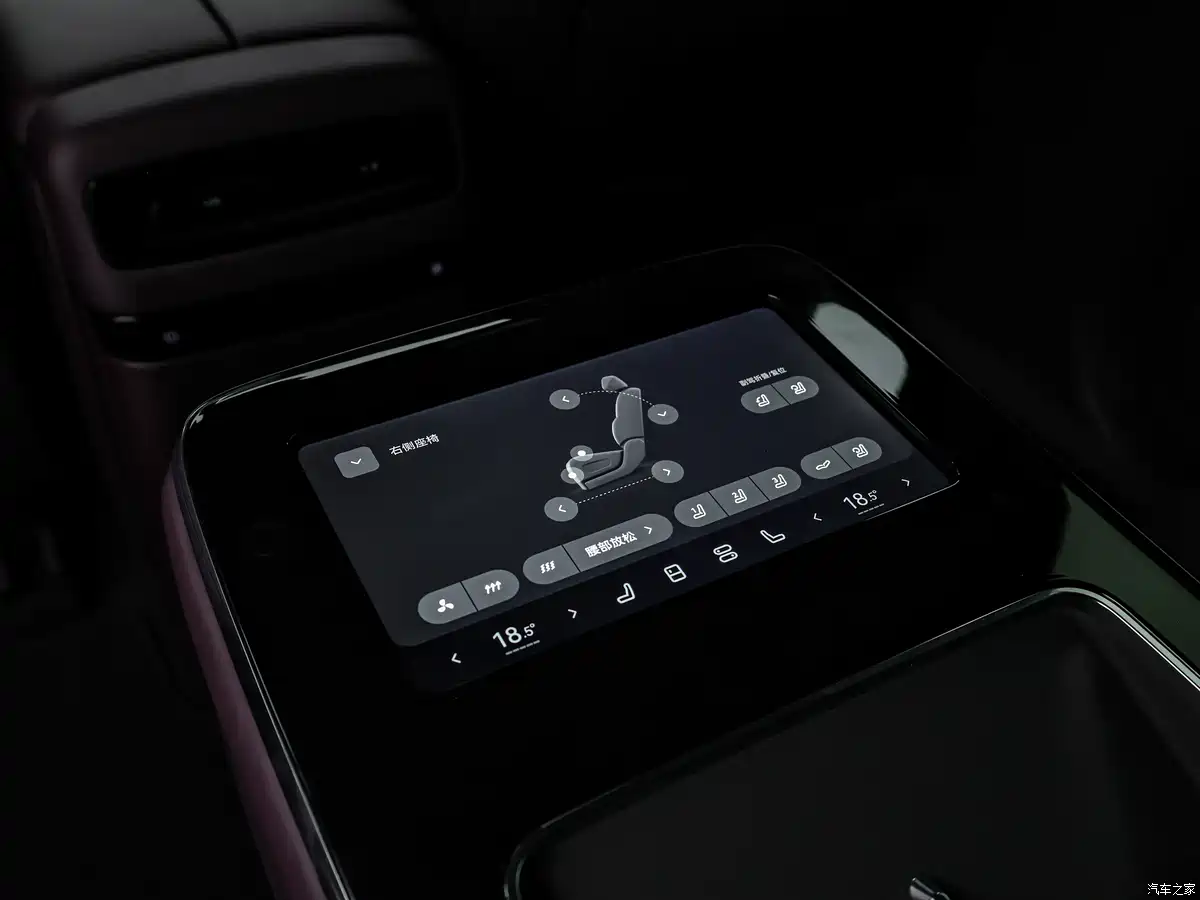
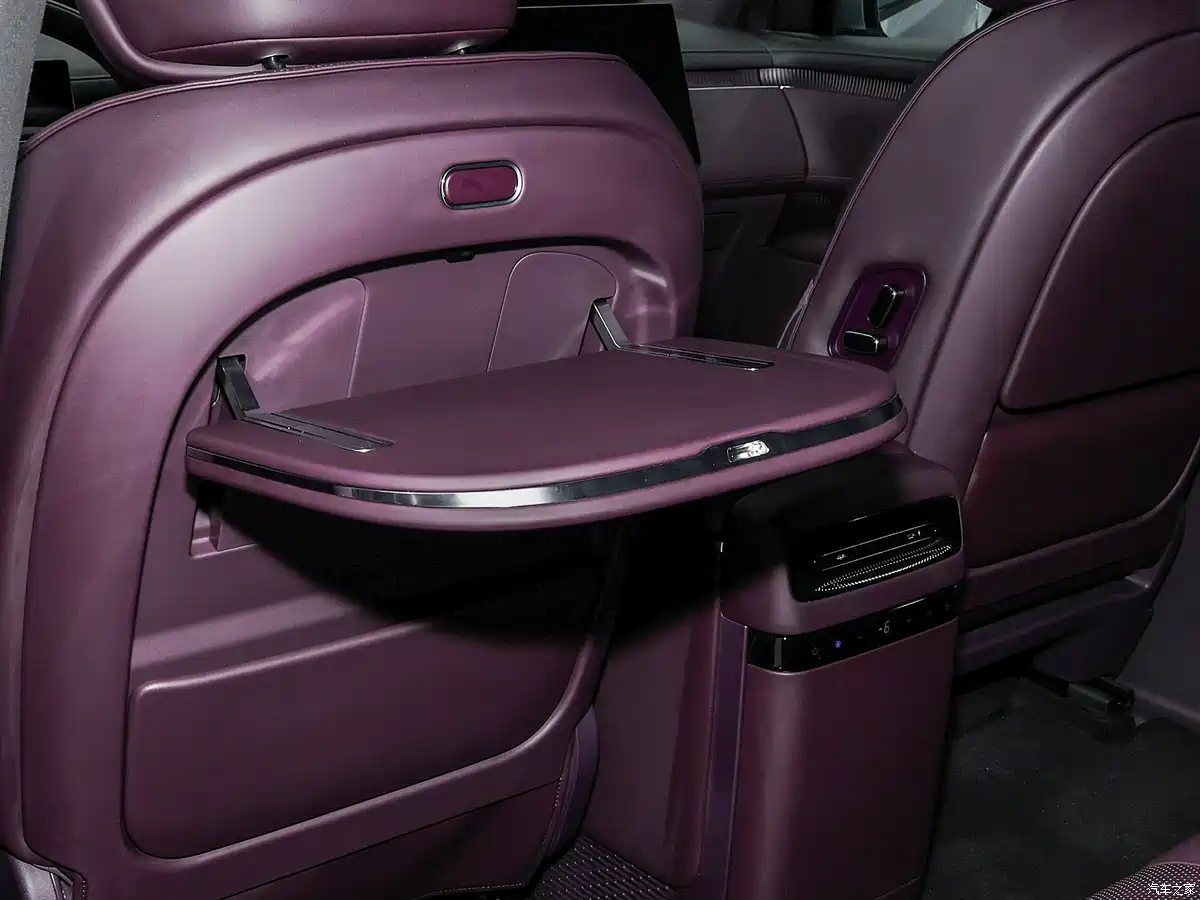
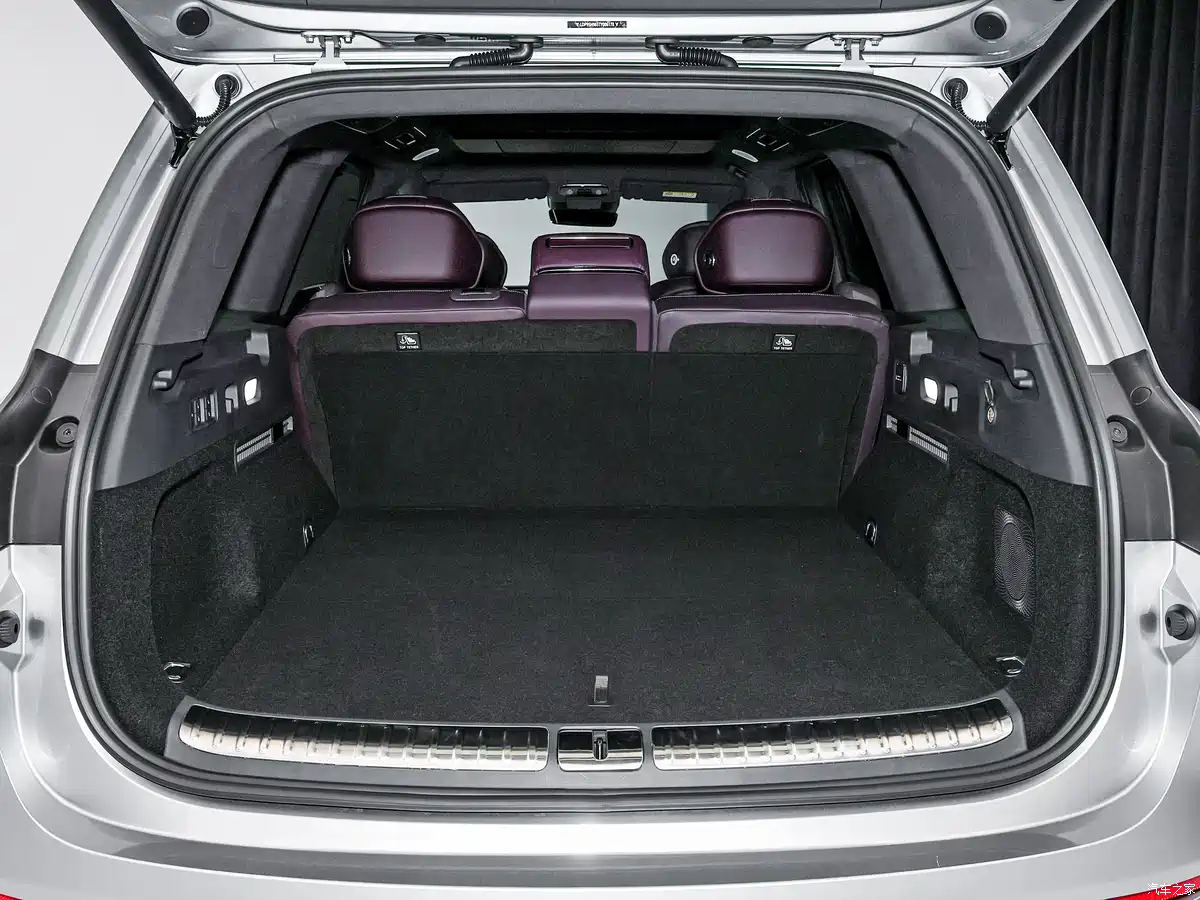
The five-seat layout pays dividends in rear-seat space. Both second-row chairs are power-adjustable zero-gravity recliners with kneading massage, heating, ventilation, and headrest speakers. A dedicated touchscreen in the rear armrest controls seat functions independently. Overhead, a 21.4-inch 3K ceiling screen and a 29-speaker Voyah Sound audio system turn the back seat into a private cinema. Other rear-cabin conveniences include a 13-litre smart cool-and-warm box and a one-touch fold-flat function that extends the boot from a standard 1,148 litres to a maximum 2,361 litres.
Smart Driving: Full Huawei Hardware Stack
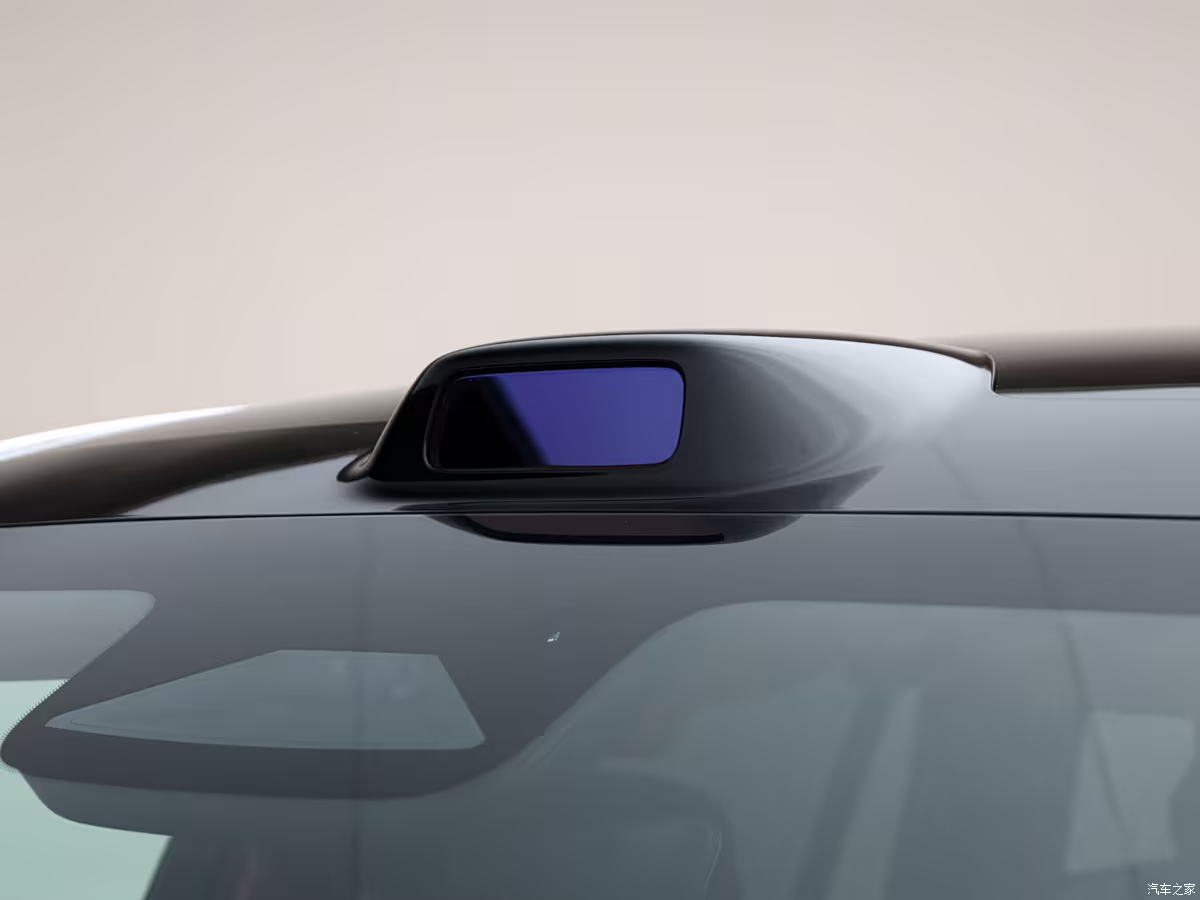
Voyah has gone all-in on Huawei’s latest autonomous driving suite. The Taishan X8 ships with the brand-new 896-line dual-path image-grade lidar — Huawei’s most advanced sensor — and a total of four lidar units distributed across the vehicle. The software layer is Huawei’s Qiankun ADS (Advanced Driving System), which delivers city-capable hands-free navigation, automatic lane changes, ramp merges, and roundabout negotiation. Because the underlying algorithm continues to receive over-the-air updates, buyers are also acquiring a platform that will improve meaningfully after purchase.
Powertrains: PHEV and EV, Both on 800V
Plug-In Hybrid
The PHEV system pairs a 1.5-litre turbocharged engine (110 kW / 148 hp) with front and rear electric motors. Two states of tune are offered:
- Standard PHEV — front motor: 150 kW, rear motor: 215 kW; combined system output: 475 kW / 637 hp; peak torque: 910 Nm; 0–100 km/h: 5.9 s; CLTC EV-only range: 245 km (152 mi); CLTC combined range: 1,321 km (821 mi); WLTC fuel consumption on depleted battery: 6.8 L/100 km.
- High-Power PHEV — rear motor upgraded to 230 kW; combined output: 490 kW / 657 hp; torque: 915 Nm; 0–100 km/h: 5.5 s; CLTC EV-only range: 370 km (230 mi); CLTC combined range: 1,506 km (936 mi); WLTC fuel consumption: 6.5 L/100 km.
DC fast charging (20–80%) takes just 12–20 minutes thanks to the 5C-rated 800V architecture.
Pure Electric
The BEV version uses a dual-motor layout producing 175 kW (front) + 300 kW (rear) for a combined 475 kW and 765 Nm of torque. The 0–100 km/h sprint takes 5.5 seconds. Two battery options deliver:
- Standard EV — 603 km (375 mi) CLTC; 20–80% charge in 12 minutes.
- Long-Range EV — 727 km (451 mi) CLTC; 20–80% charge in 12 minutes.
Chassis: Air Suspension and Rear-Wheel Steering
Built on Voyah’s Bluesky Driving Platform 2.0, the Taishan X8 uses double-wishbone front suspension and five-link independent rear suspension. The headline chassis feature is a triple-chamber air suspension paired with an EDC (Electronic Damping Control) adaptive system that samples road conditions 100 times per second and adjusts accordingly. Ride height adjustment spans 105 mm across five levels; stiffness has four selectable settings.
A rear-wheel steering system with up to 16 degrees of articulation cuts the turning circle to just 5.4 metres and enables a crab-walk mode for tight manoeuvring.
Competitive Landscape
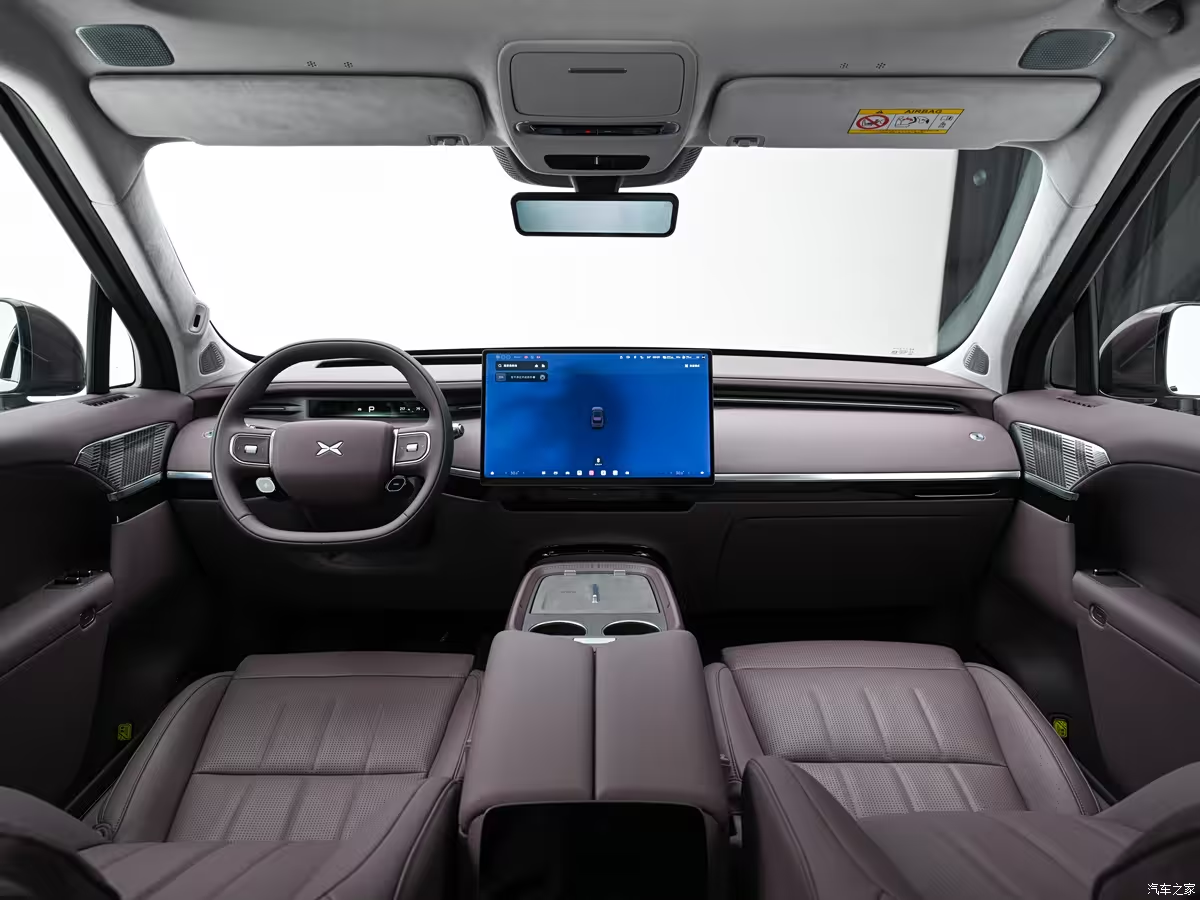
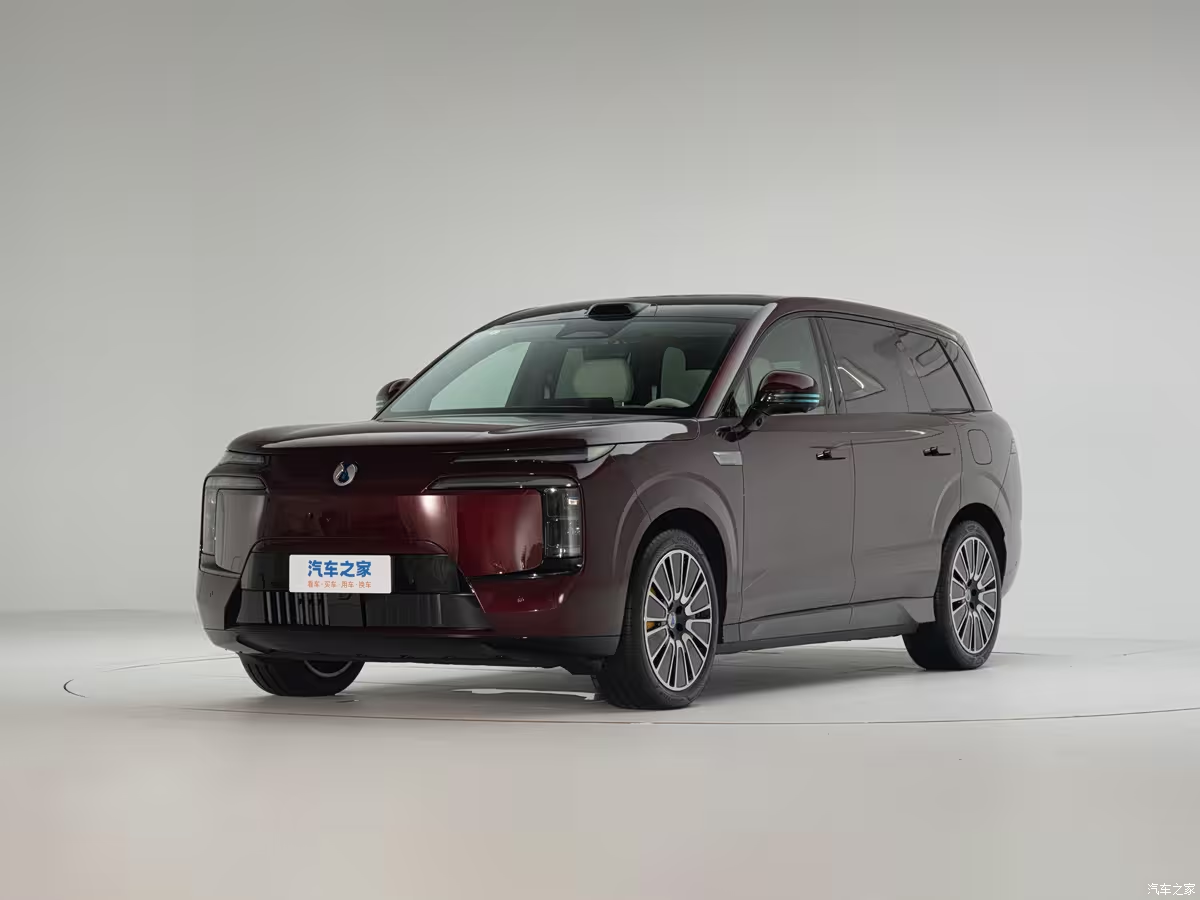
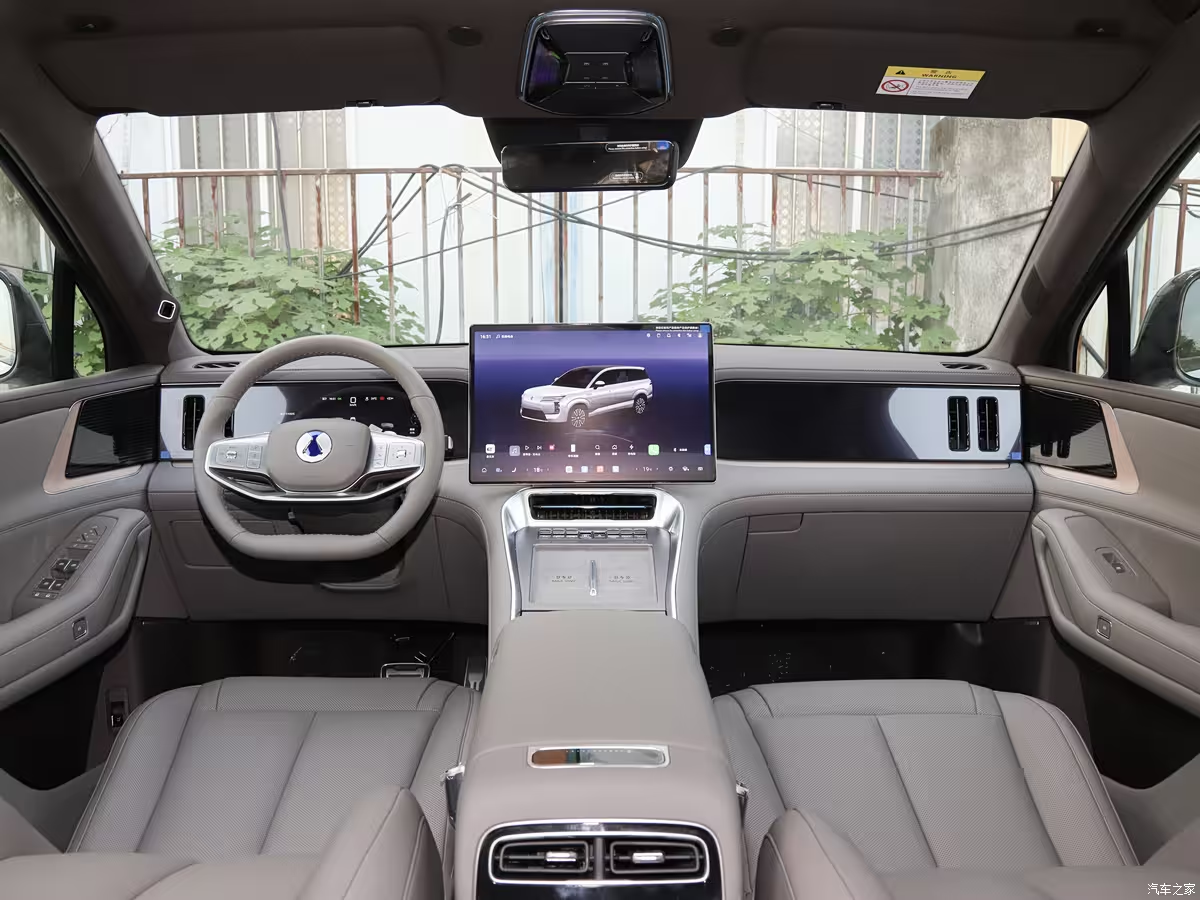
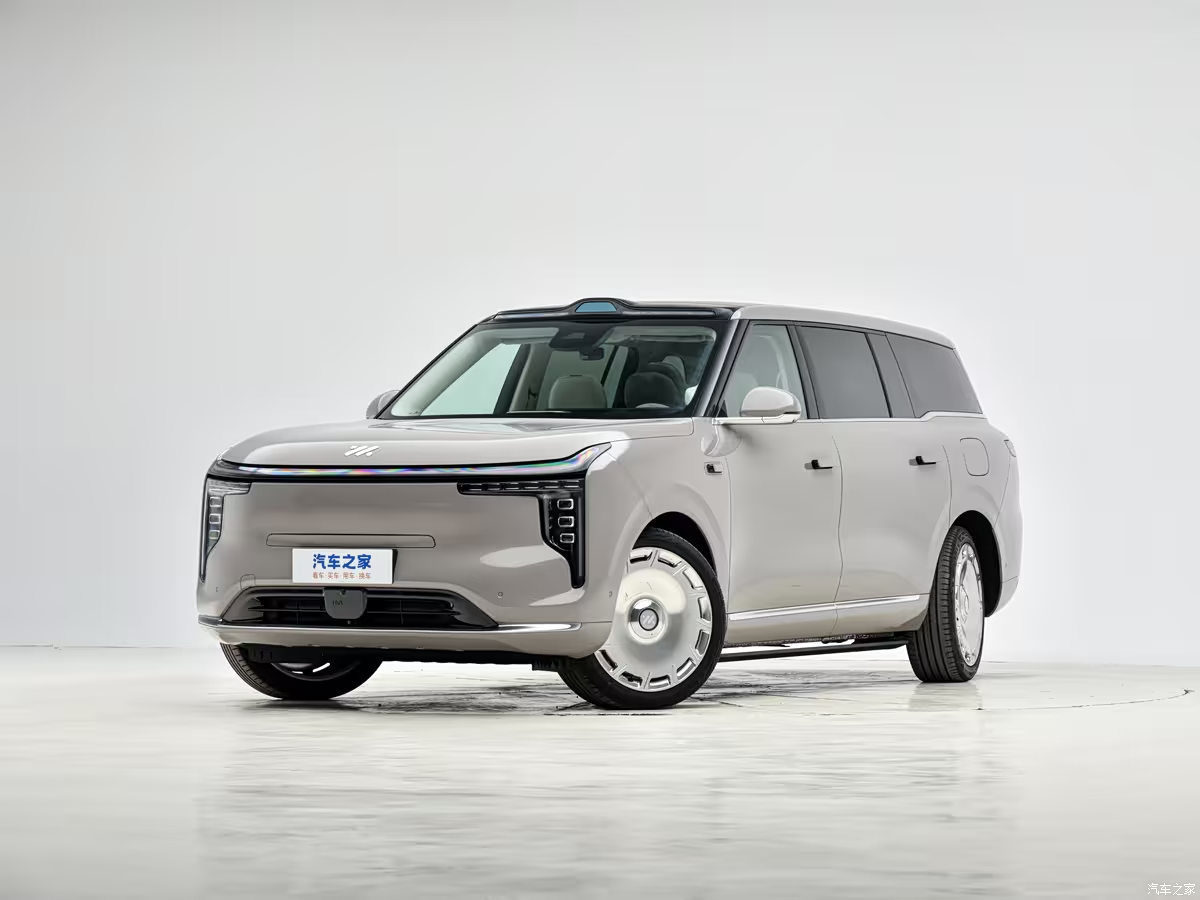
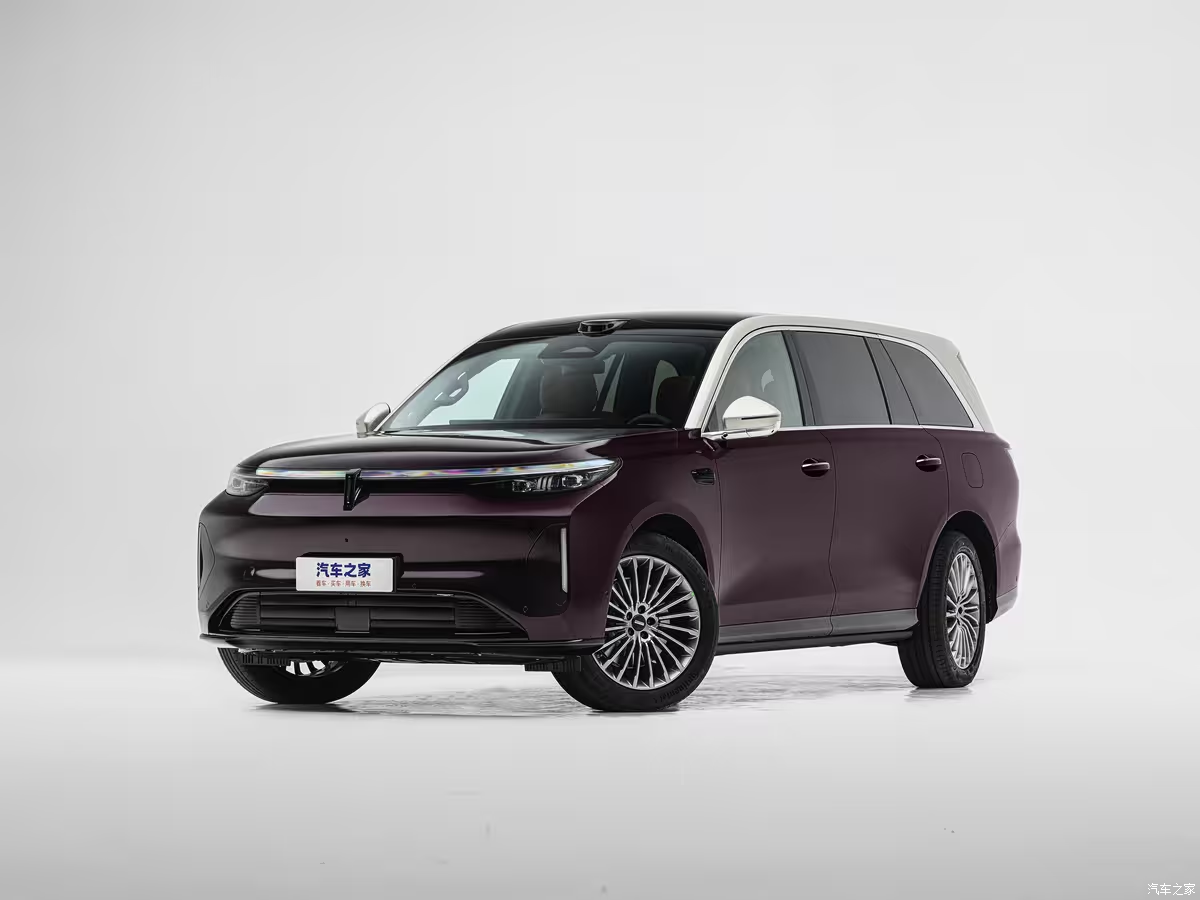
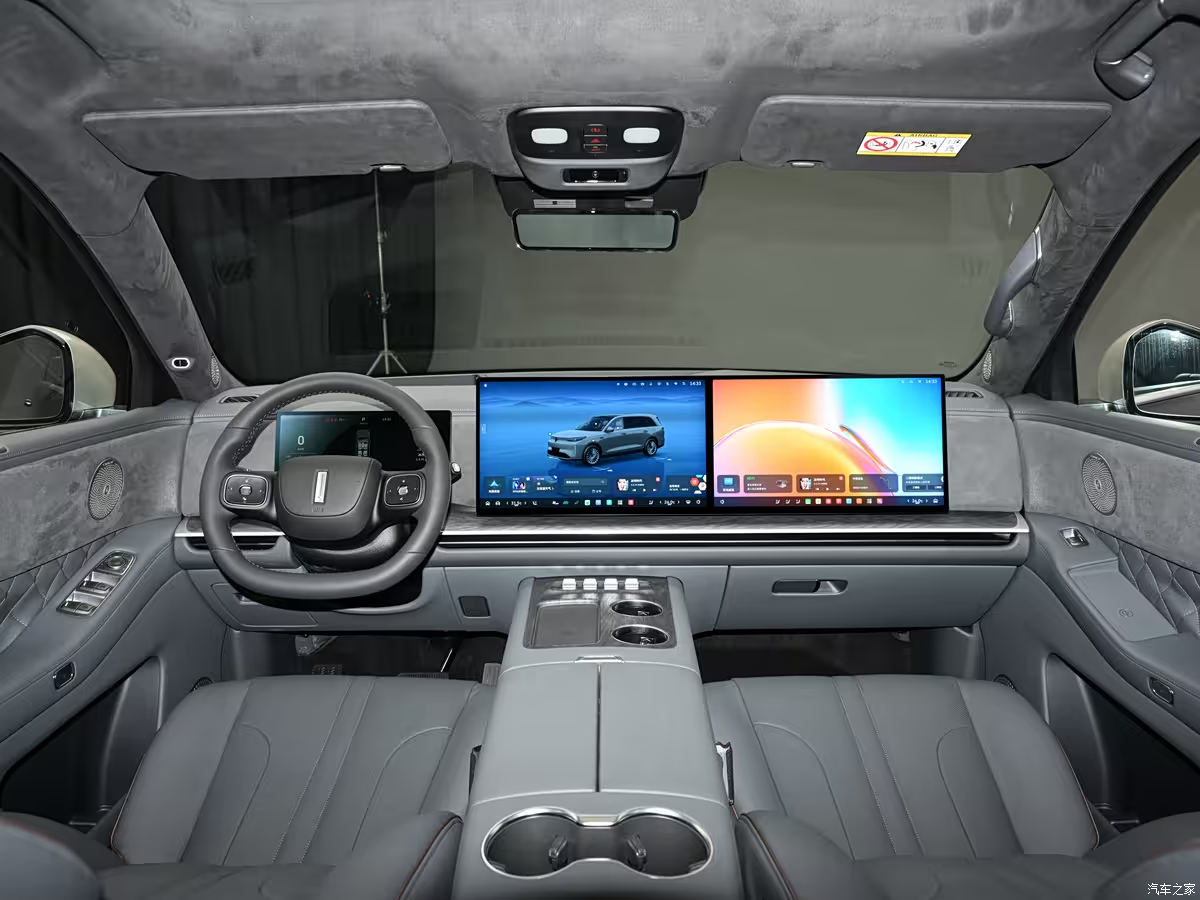
The 30–55k USD large SUV segment in China is crowded, but the Taishan X8 occupies a genuine gap: the pure five-seat configuration is rare at this price and size, and virtually no competitor offers both PHEV and BEV options with 800V charging. Key rivals include the Xpeng GX (range-extender and EV, 430 km CLTC EV range in EREV trim, Turing-chip computing platform), the Denza N8L (tri-motor BYD technology, exceptional performance), the IM LS9 (three zero-gravity seats, distinctive interior design), and the WEY V9X (2.0T + 4-speed DHT plug-in hybrid, 470 km CLTC EV range).
Xpeng GX
Denza N8L
IM LS9
WEY V9X
Where the Taishan X8 differentiates itself most clearly is in smart-driving hardware: four lidars and Huawei’s highest-spec sensor in this class are a compelling proposition for tech-forward buyers, and the HarmonyOS cockpit remains one of the most polished in-car software experiences available.
Verdict
Voyah has assembled a strong case with the Taishan X8. Starting at roughly $43,000 in Chinese terms, it delivers a near-full-size footprint, a luxuriously equipped five-seat cabin, the most advanced Huawei autonomous driving hardware currently available in a production vehicle, and an 800V fast-charging architecture that applies to both PHEV and BEV variants. The PHEV’s 1,506 km total range in high-power trim and the EV’s 727 km CLTC figure both address range anxiety convincingly.
The Taishan X8 sits alongside the six-seat Taishan to cover the premium large SUV segment from multiple angles, and Voyah has signalled further new models before year-end — including an FE electric FUV and a flagship MPV called the Zhufeng targeting the 50,000 USD-plus tier. If order momentum holds, the Taishan X8 looks set to become the brand’s highest-volume model.
All performance figures are manufacturer-stated CLTC or WLTC values. USD conversions use a rate of 6.80 CNY/USD as of May 22, 2026. Figures may vary by market.