China’s Flying Auto Are Real — And Deliveries Start in 2026
Forget the concept renders. China’s flying car industry has moved from PowerPoint to production line, and the first vehicles are set to reach customers before the year is out.
The sector making all the noise is eVTOL — Electric Vertical Takeoff and Landing aircraft. The name is functional: these machines run on electricity, take off straight up like a helicopter, and need no runway. But unlike a helicopter, they’re designed to be mass-produced, affordable enough for commercial operators, and eventually integrated into daily city life.
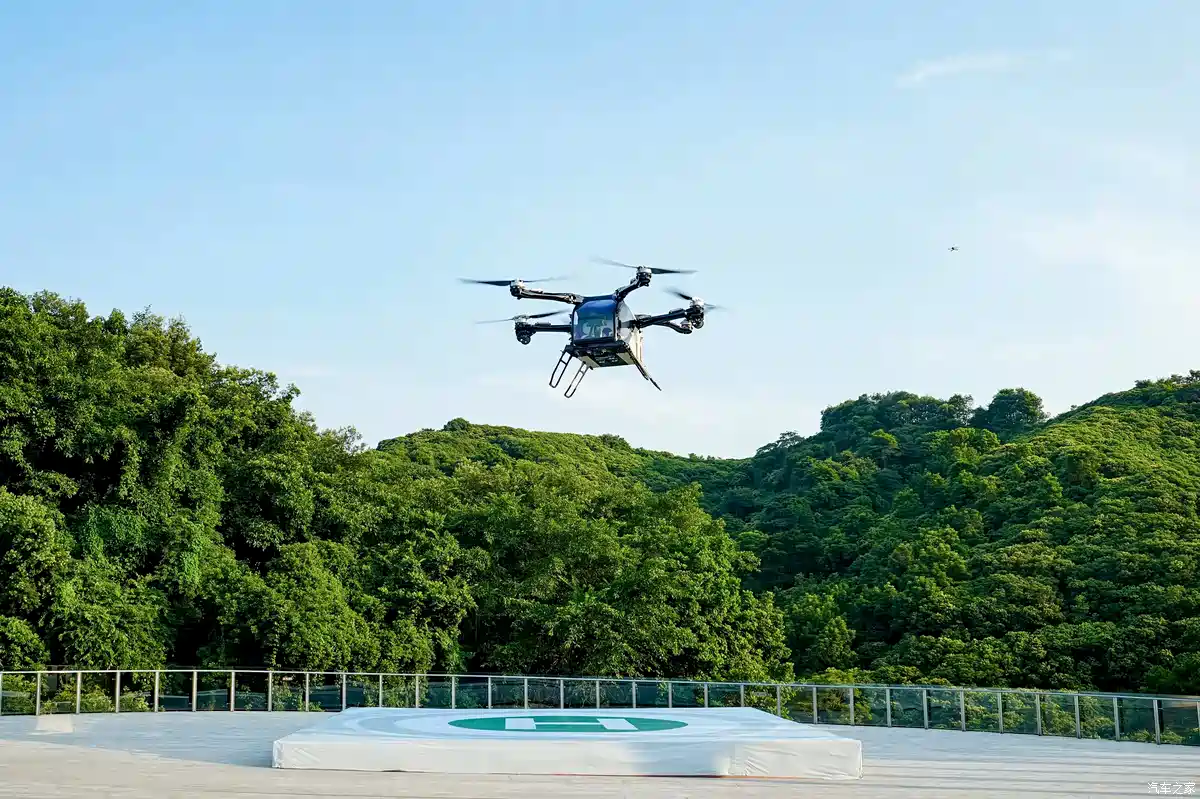
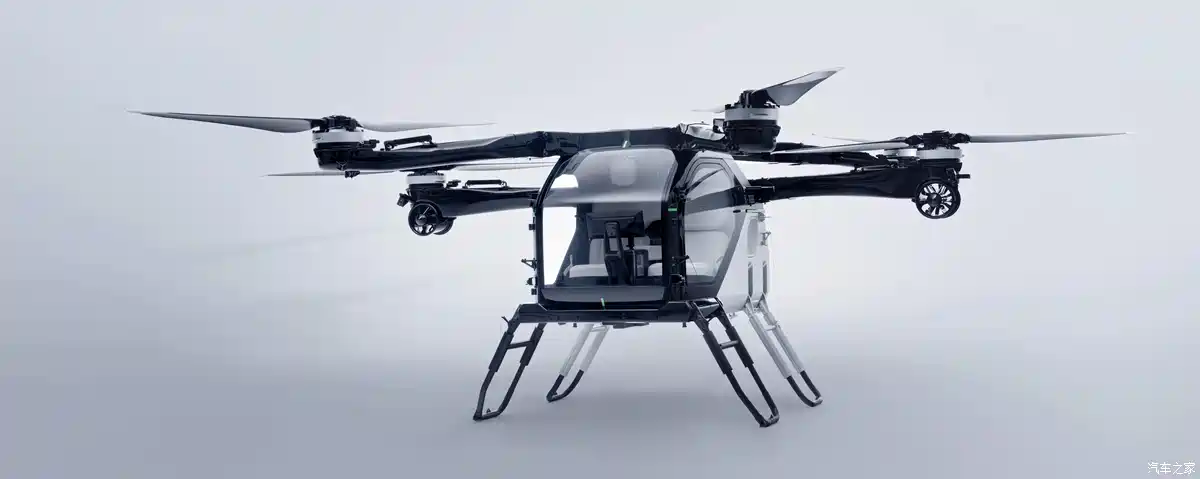
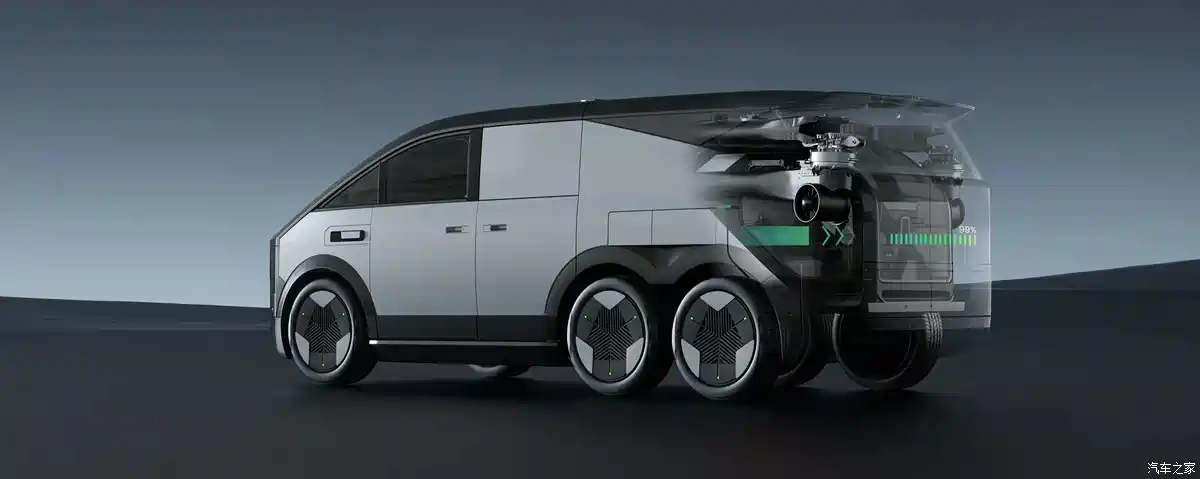
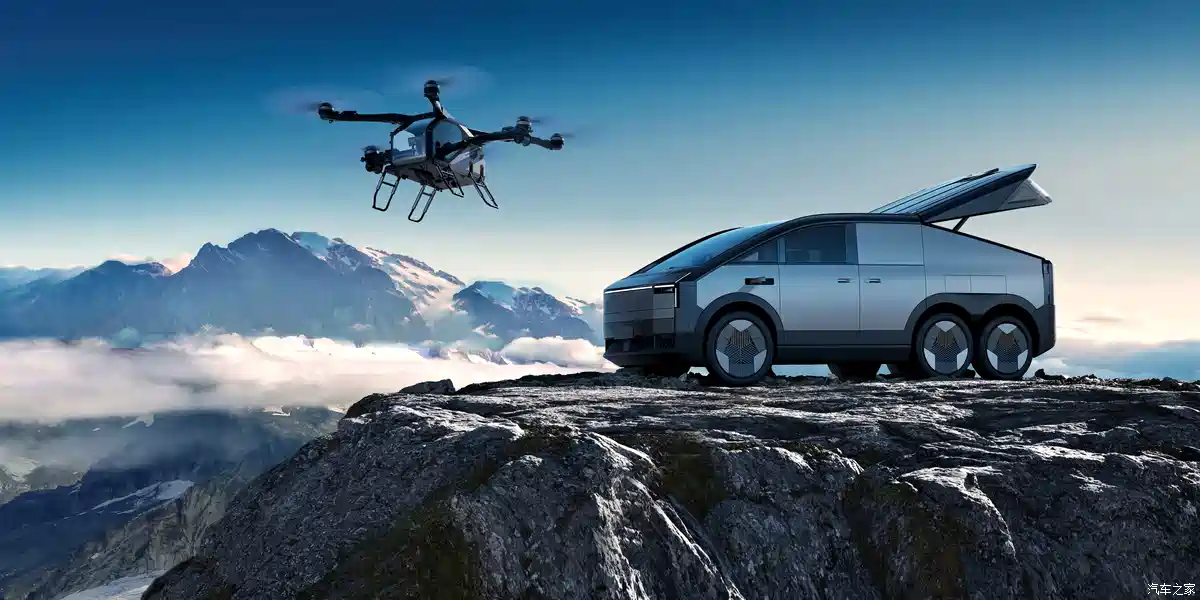
The most headline-grabbing product in the space right now is the Land Aircraft Carrier from Xpeng AeroHT (now operating internationally as Aridge), a subsidiary of Chinese EV maker Xpeng. The name is deliberately dramatic. The “carrier” is a six-wheeled extended-range electric van — 5.5 meters long, with suicide rear doors and a 800V silicon carbide powertrain good for over 1,000 km (621 miles) of combined range on China’s CLTC cycle. Stored in the rear bay is a foldable two-seat eVTOL aircraft with six rotors, a carbon-fiber cockpit, and its own 800V electrical system, charged by the van during the drive. When the driver wants to fly, the bay opens, the aircraft deploys automatically, and takes off vertically — no airport, no runway required.
In March 2026, five Land Aircraft Carrier units rolled off the trial production line at Xpeng AeroHT’s mass-production factory in Guangzhou’s Huangpu District, with test flights conducted on the same day. The factory, spanning roughly 120,000 square meters, is the world’s first facility to use modern assembly lines for batch-producing flying cars, capable of rolling out one aircraft every 30 minutes. GasgooGasgoo
Xpeng has confirmed customer deliveries are planned for later in 2026, with the factory already producing pre-production versions. The company currently holds 7,000 orders. Pricing sits below $300,000 — or roughly ¥2 million — making it one of the priciest consumer vehicles on the planet, but also the first mass-produced flying car in history. Top GearTechCrunch
The Route That Already Works
While the Land Aircraft Carrier grabs the headlines, inter-city eVTOL flight in China is already a proven reality.
In February 2024, AutoFlight’s five-seat Prosperity eVTOL completed the world’s first public inter-city eVTOL flight, covering the 50 km route from Shenzhen to Zhuhai across the Pearl River Delta in just 20 minutes — a journey that takes up to three hours by car. The flight was uncrewed and autonomous, a deliberate choice ahead of full passenger certification. AutoflightDroneDJ
That commercial passenger milestone may now be closer than ever. In December 2025, EHang announced its autonomous EH216-S pilotless eVTOL service between Shenzhen and Hong Kong, with operations beginning in January 2026. The 20-minute flight cuts what currently takes at least an hour by other means, with fares around ¥800 (~$110) per passenger. Low Altitude Economy
The Shenzhen–Zhuhai commercial passenger route is also advancing. The source article notes a single fare of ¥200–300 (~$28–$42) is being targeted for that corridor — a price that makes the proposition genuinely competitive.
Capital, Policy, and the Race to Scale
The investment picture reflects genuine conviction, not just hype. Major Chinese automakers including SAIC and Geely have stakes in the sector. Sequoia China — the fund behind Bytedance, Meituan, and BYD Semiconductor — has backed Xpeng AeroHT specifically. SpaceX has also taken a position in the space.
On the policy side, China’s 15th Five-Year Plan (2026–2030) has officially designated the low-altitude economy as a strategic emerging industrial cluster. That’s not a pilot program — it’s a national infrastructure mandate. Torque News
Cities are already building for it. Shenzhen is already constructing over 1,200 takeoff and landing points to support the new era of low-altitude transport. Suzhou has committed to over 200 vertical take-off and landing pads of its own. Torque News
Boston Consulting Group forecasts China’s eVTOL market could reach over $40 billion by 2040, and that figure doesn’t account for Chinese companies’ growing international footprint — AutoFlight has already delivered aircraft to Japan and conducted flights in the Middle East and Europe.
Three Problems That Still Need Solving
The industry is moving fast, but three structural challenges remain.
Airspace management is first. Low-altitude corridors overlap with military and civil aviation zones, flight plans require advance filing in most cities, and regulations vary significantly by municipality — limiting the spontaneous, on-demand use that makes the technology compelling.
Airworthiness certification is the harder wall. Every eVTOL intended for commercial passenger operations must pass a rigorous type certification process through China’s CAAC. Type Certificate approvals are expected to ramp up meaningfully after 2026, enabling the broader shift from testing to mass production. A single serious accident before that certification baseline is established could freeze the entire sector. Made-in-China.com
Ground infrastructure is the third constraint. Vertiports, charging networks, and real-time flight monitoring systems are all still in early-stage buildout. Government capital allocation will be decisive here — private companies alone cannot fund the necessary density.
What Comes Next
The Land Aircraft Carrier is, in Xpeng AeroHT’s own roadmap, just Phase 1. The company is already developing a high-speed tiltrotor aircraft with a range exceeding 500 km and a top speed over 360 km/h, and ultimately aims at a fully integrated door-to-door urban air mobility network.
For readers tracking the Chinese auto industry: the eVTOL sector is no longer adjacent to the car business. It is the car business’s next frontier, and China’s manufacturers are several years ahead of their Western counterparts in production readiness, regulatory engagement, and infrastructure commitment.
Flying cars won’t replace the family sedan in ten years. But the first ones are already coming off the line.