Luxeed Zhijie V9 First Look: Huawei Stelato’s First MPV Enters the Luxury Market Priced From $55,500. Full review.
The extended-range seven-seater arrives on May 15, 2026, packed with Huawei’s most advanced smart-driving hardware and a cabin that rivals business-class travel.
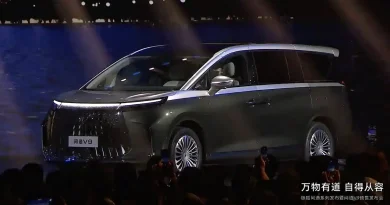
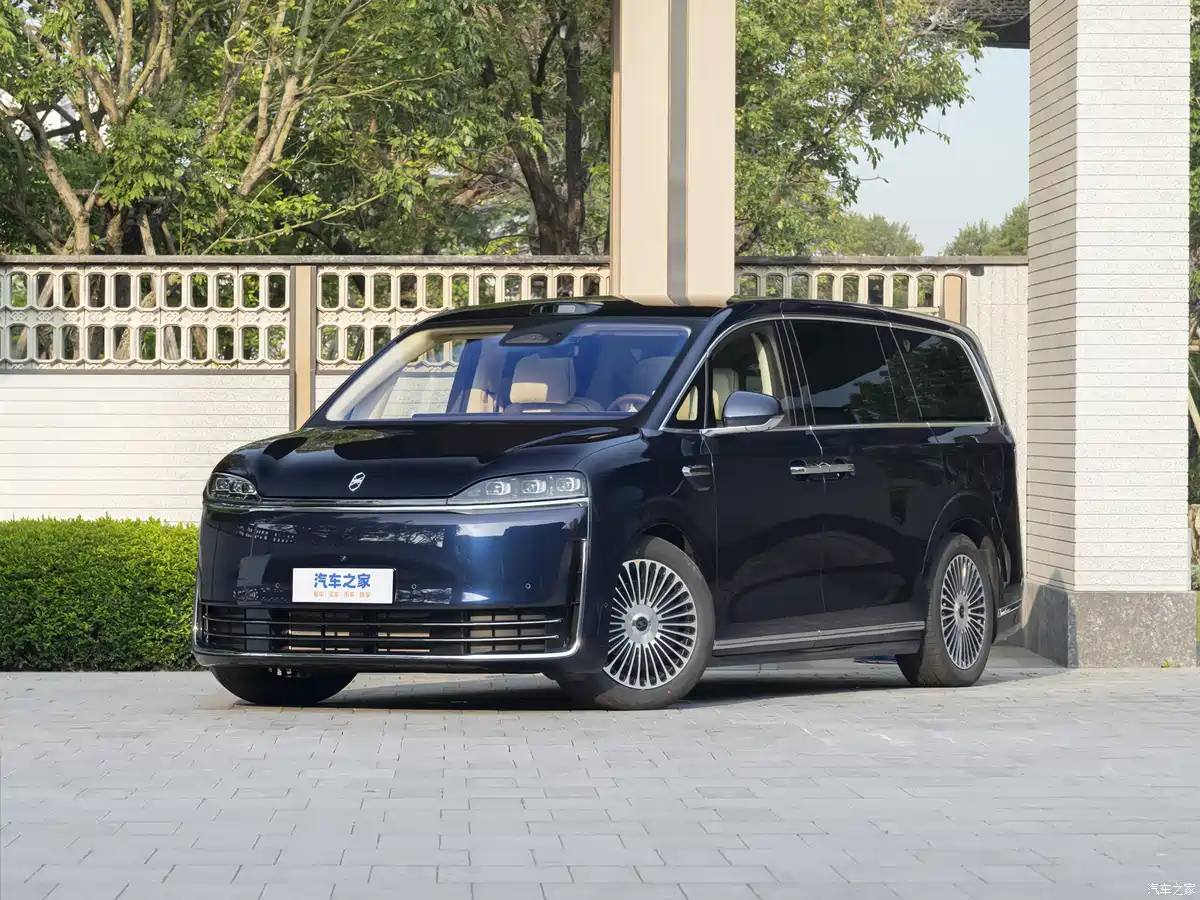
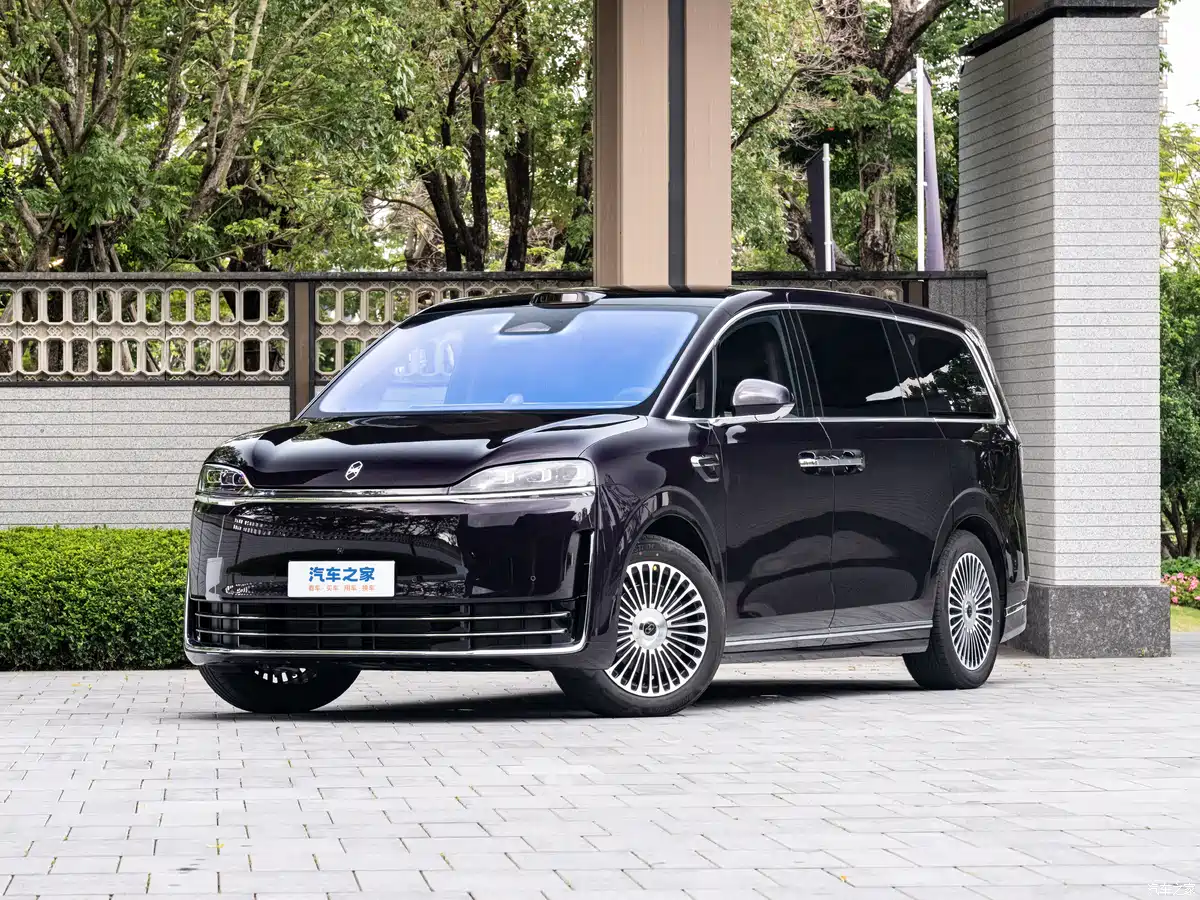
Huawei’s automotive arm Stelato (formerly AITO) is expanding beyond SUVs. The Zhijie V9 — the brand’s first MPV — officially launched on May 15, 2026, targeting the most competitive segment in China’s premium new-energy vehicle market. Pre-sale pricing was set at 399,800–529,800 CNY (approximately $55,500–$73,500 USD), positioning it squarely alongside the Lantu Dreamer and Li Auto MEGA.
Why this segment, why now
The large new-energy MPV market in China is booming. According to research firm J.L. Road, April 2026’s MPV sales crown went to the Lantu Dreamer with 6,995 units — and the Dreamer itself carries Huawei’s Qiankun smart-driving system. The Zhijie V9 is designed to one-up it by going deeper into Huawei’s technology stack across every major system: driver assistance, powertrain, cabin and health monitoring. Sitting above it in Stelato’s lineup will be the forthcoming Zunjiè V800, indicating this is the start of a luxury MPV offensive, not a one-off.
Survey data from J.L. Road identifies comfort, brand prestige and exterior design as the three leading purchase factors for new-energy MPV buyers, with “comfortable multi-person transport” ranking as the core use case regardless of whether buyers prioritise business or family use. The V9 directly addresses both audiences.
Huawei technology, front to back
The hardware story starts on the roof. Every V9 trim ships with Huawei’s latest 896-line dual-path imaging LiDAR — the same unit fitted to the Aito M9 and Zunjiè S800. Compared with a conventional 192-line unit, resolution is four times higher, enabling reliable detection of small, low-reflectivity or unusual-shaped obstacles, including at 120 km/h on motorways at night.
Software is handled by Huawei Qiankun ADS 4.1, which at the time of the V9’s specification freeze had already delivered a 30% reduction in end-to-end processing latency, a 20% improvement in traffic throughput efficiency and a 50% cut in hard-braking events compared with the previous generation. The brand hinted that the higher-tier ADS 5 could be pushed over the air when the car launched — though buyers should verify the final specification at delivery. A dual-redundancy architecture underpins the entire system.
Powertrain is extended-range only for now. The V9 uses Huawei’s Xueyuiao intelligent EREV system, previously introduced in the Zhijie R7, combined with a 1.5-litre range-extender producing 115 kW at a thermal efficiency of 44.5%. A 53 kWh battery pack is standard across the range. The rear-wheel-drive variant manages 305 km of CLTC pure-electric range and 1,320 km combined; the four-wheel-drive drops slightly to 285 km electric and 1,280 km total. The battery is built on Huawei’s Juran platform.
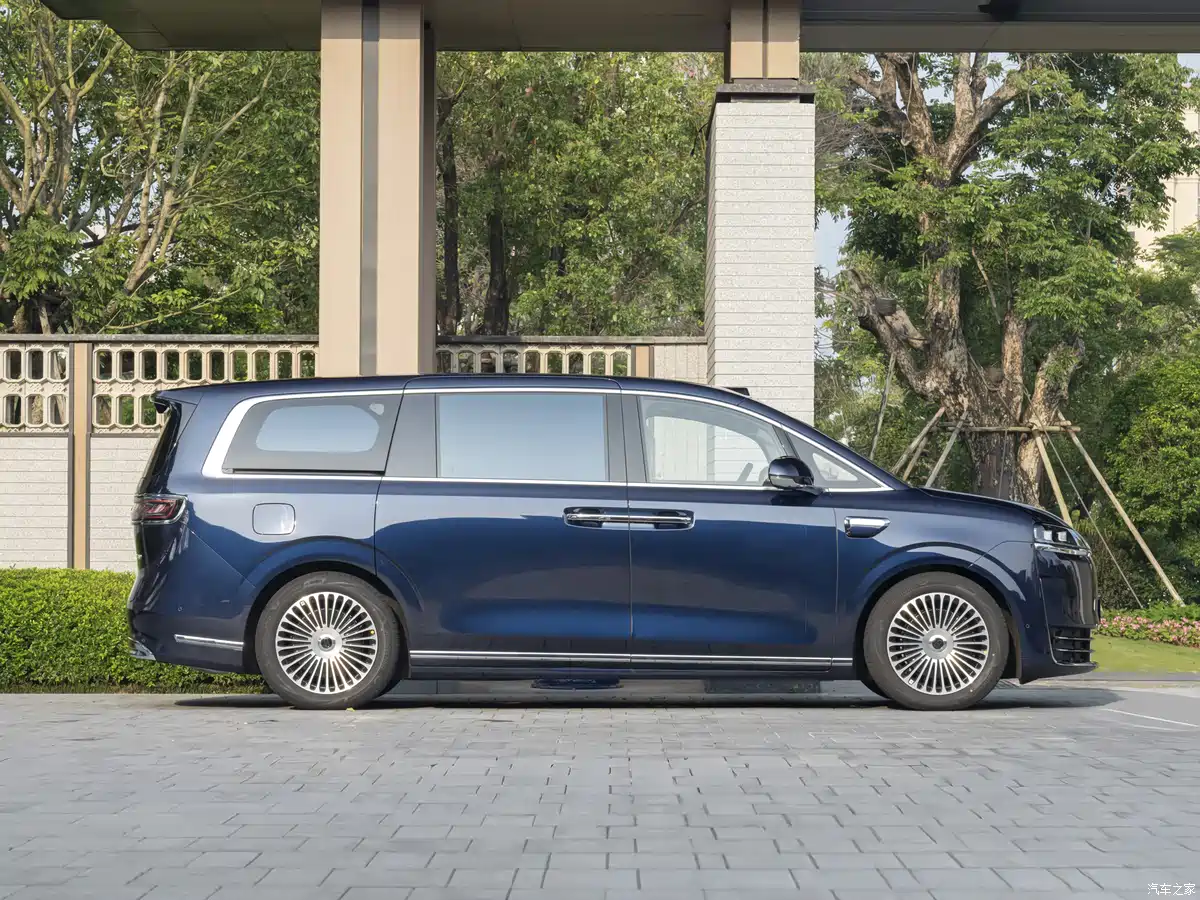
Chassis engineers fitted Huawei Tuling MPV-specific air suspension with dual air chambers as standard. It adjusts damping and ride height automatically based on speed, road surface and drive mode — raising up to 50 mm for rough terrain — and active rear-wheel steering tightens the turning circle to just 5.35 metres, remarkable for a vehicle 5.36 metres long.
It is also worth comparing the Luxeed V9 with New 2026 Denza D9
The cabin: business-class meets family hauler
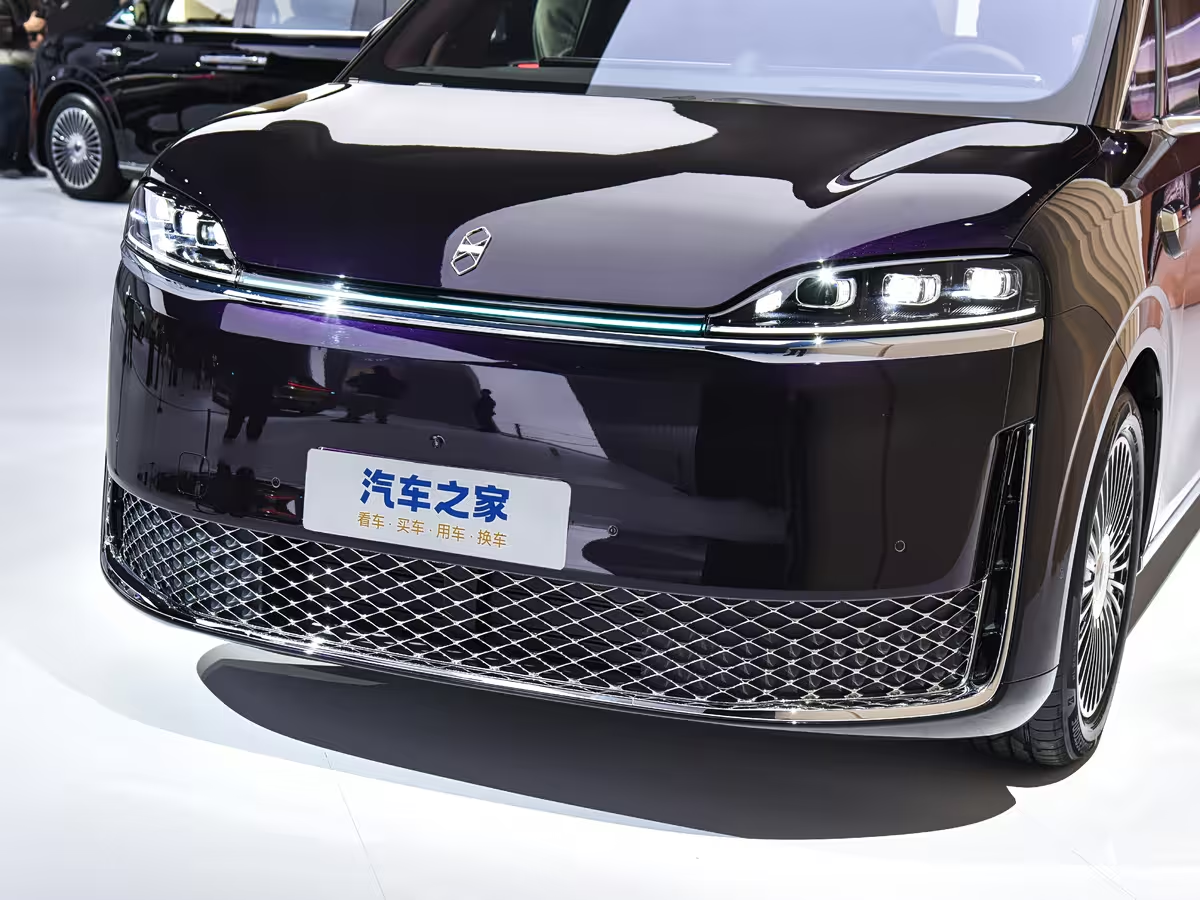
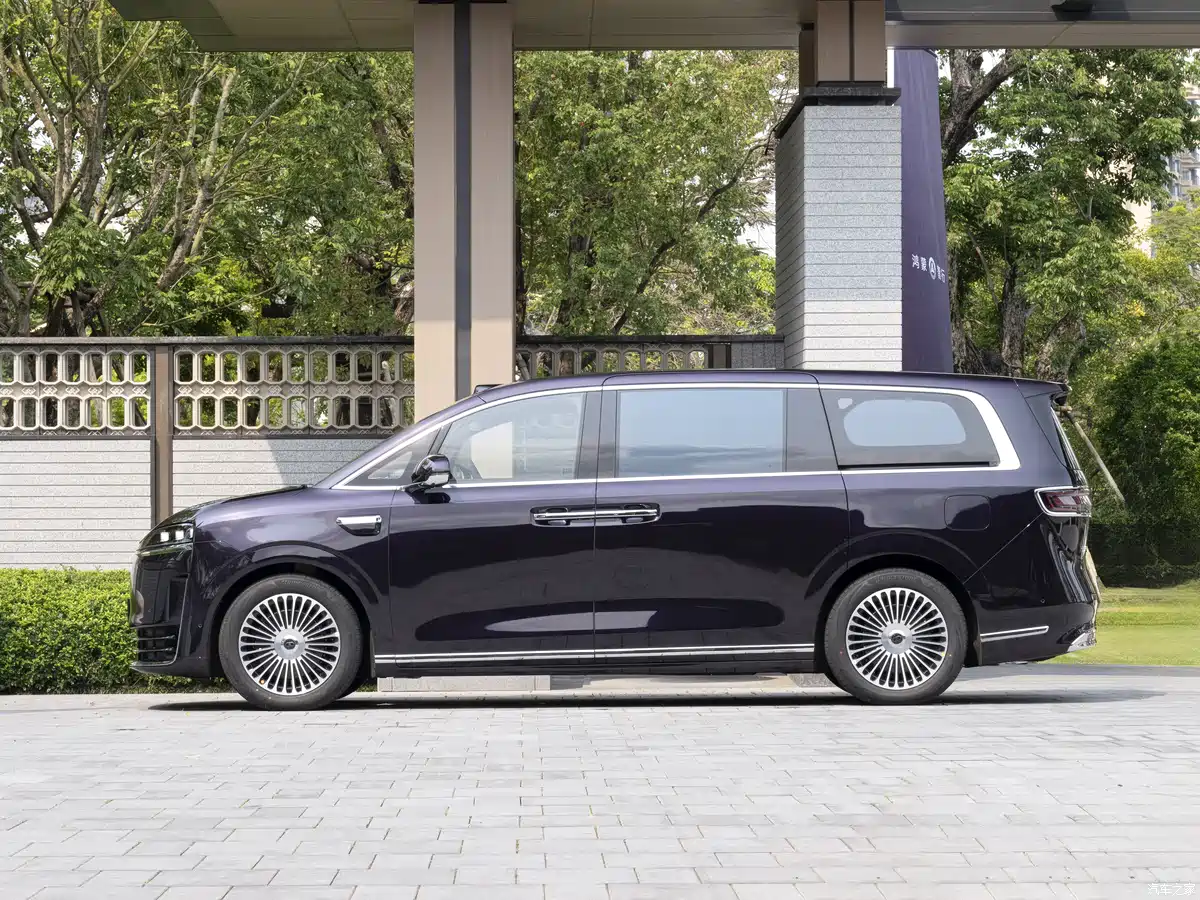
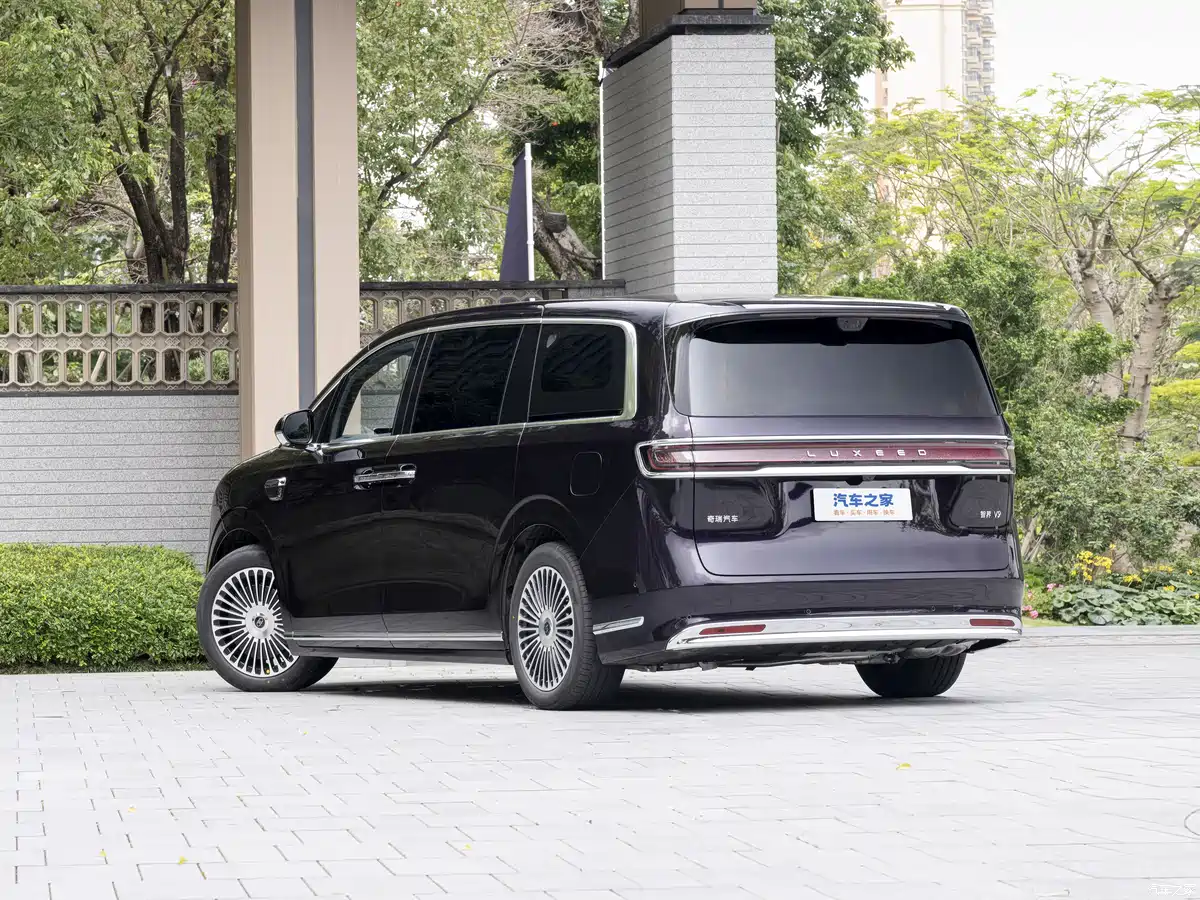
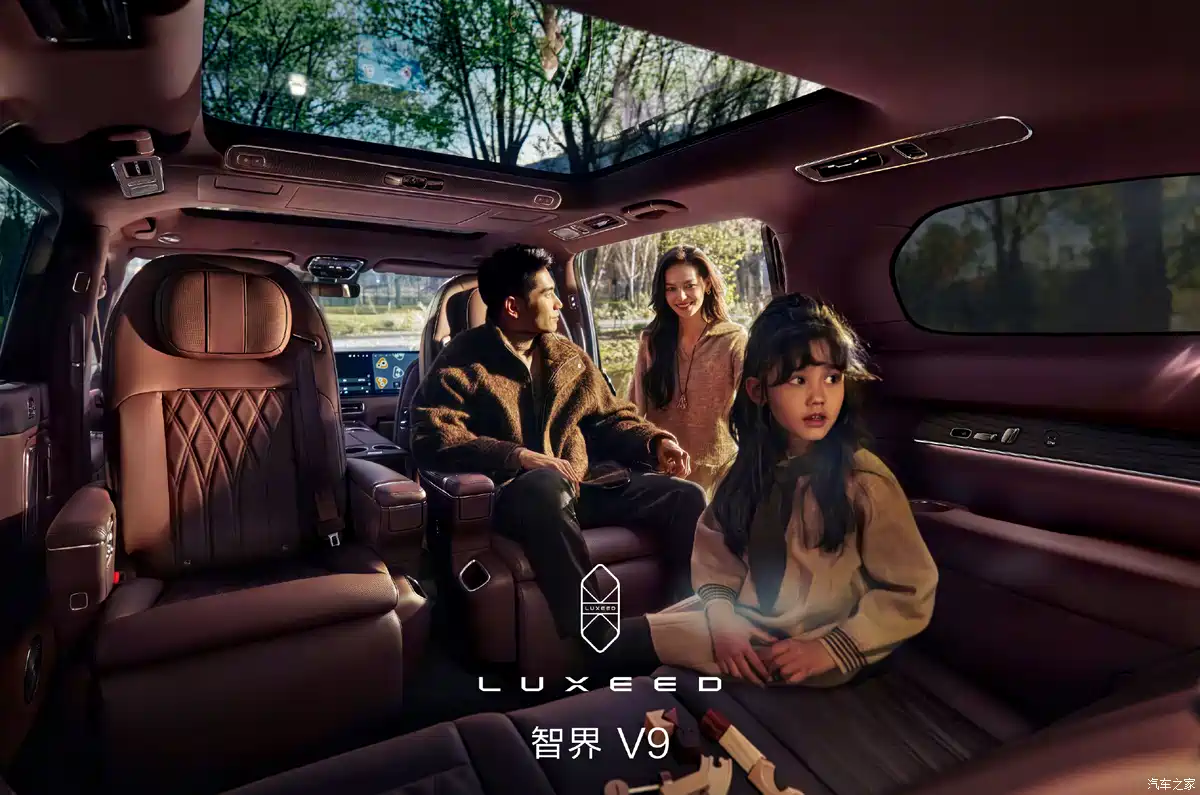
The V9 measures 5,359 × 2,009 × 1,879 mm on a 3,250 mm wheelbase — substantial even within the crowded large-MPV category. Exterior highlights include million-pixel smart projection headlights capable of casting welcome animations and cornering-assist projections onto the road, a panoramic diamond-cut LED tail light bar echoing the Zunjiè S800, and powered sliding rear doors that open via gesture control, automatically rotating the second-row seats 45 degrees to ease entry.
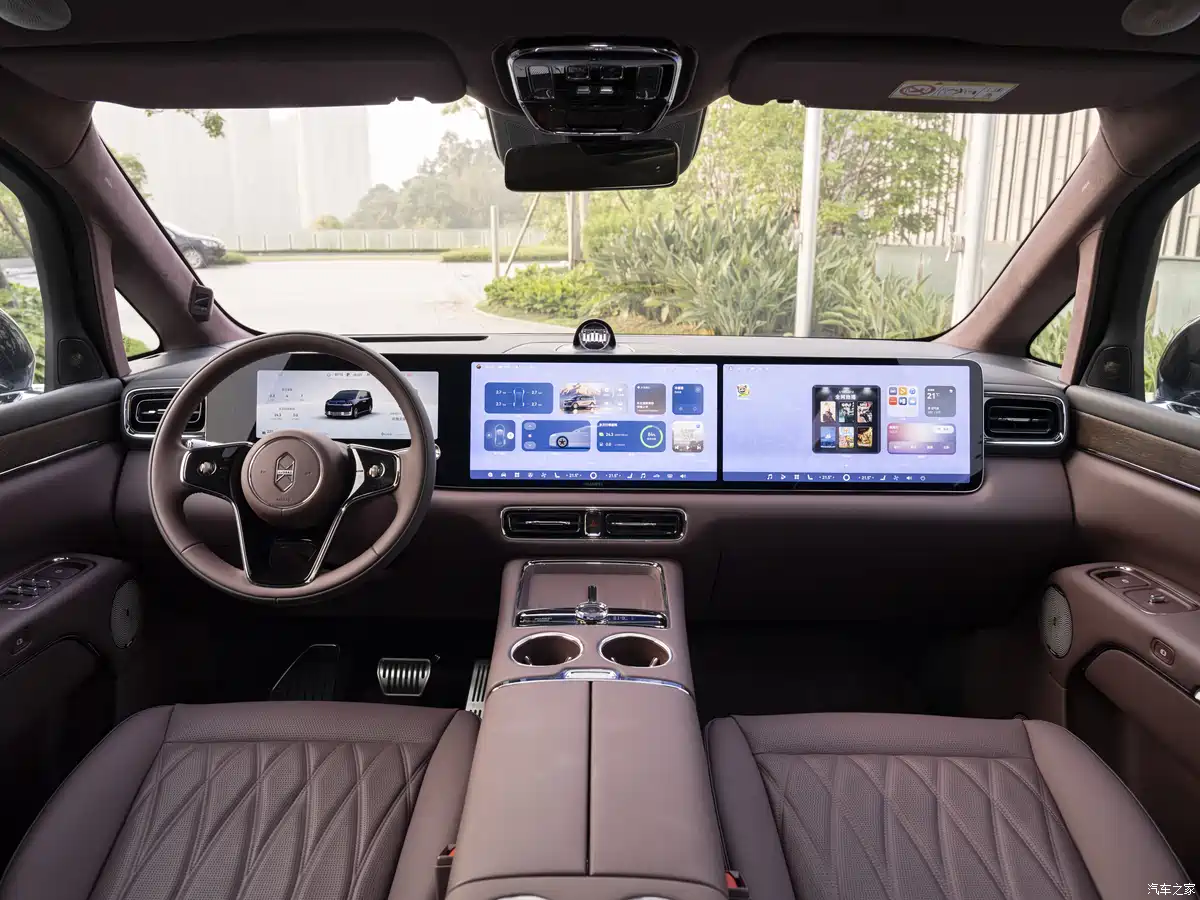
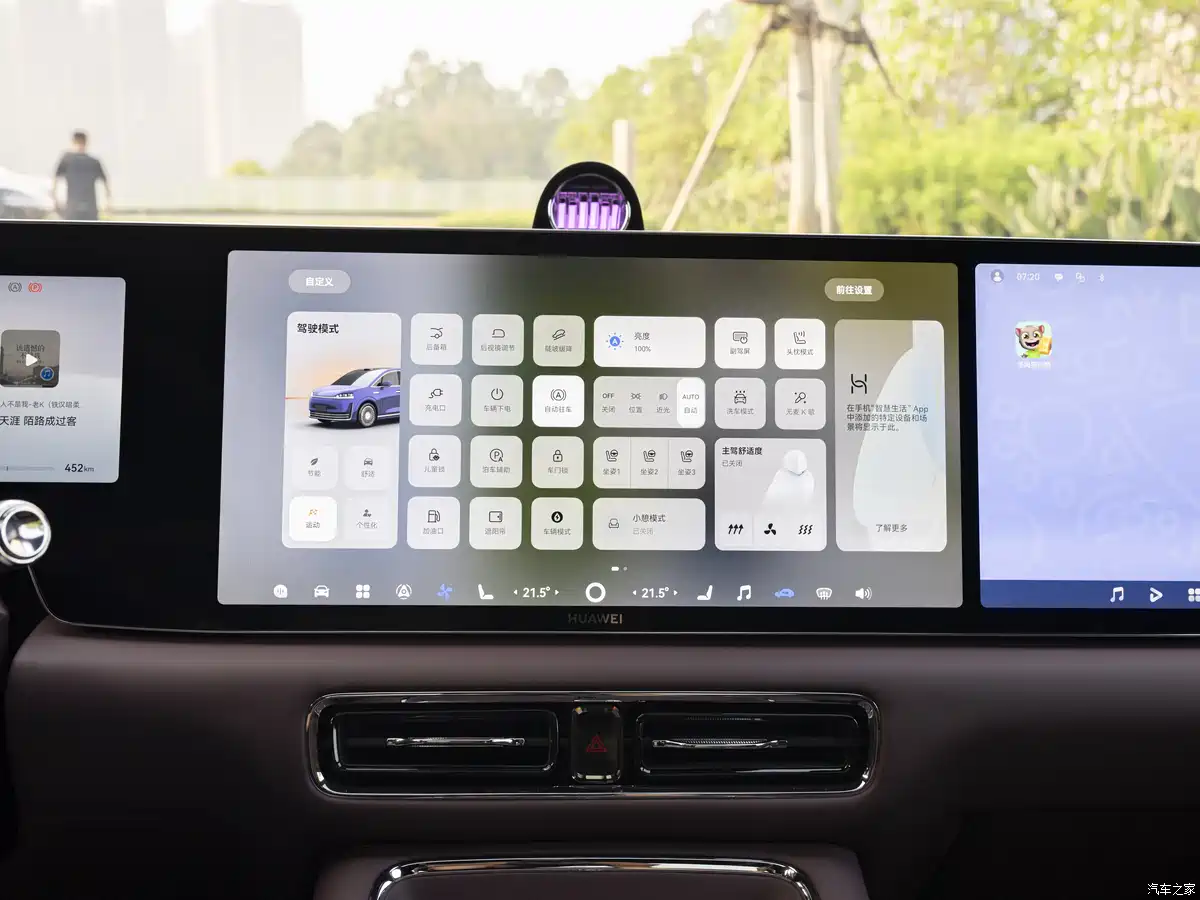
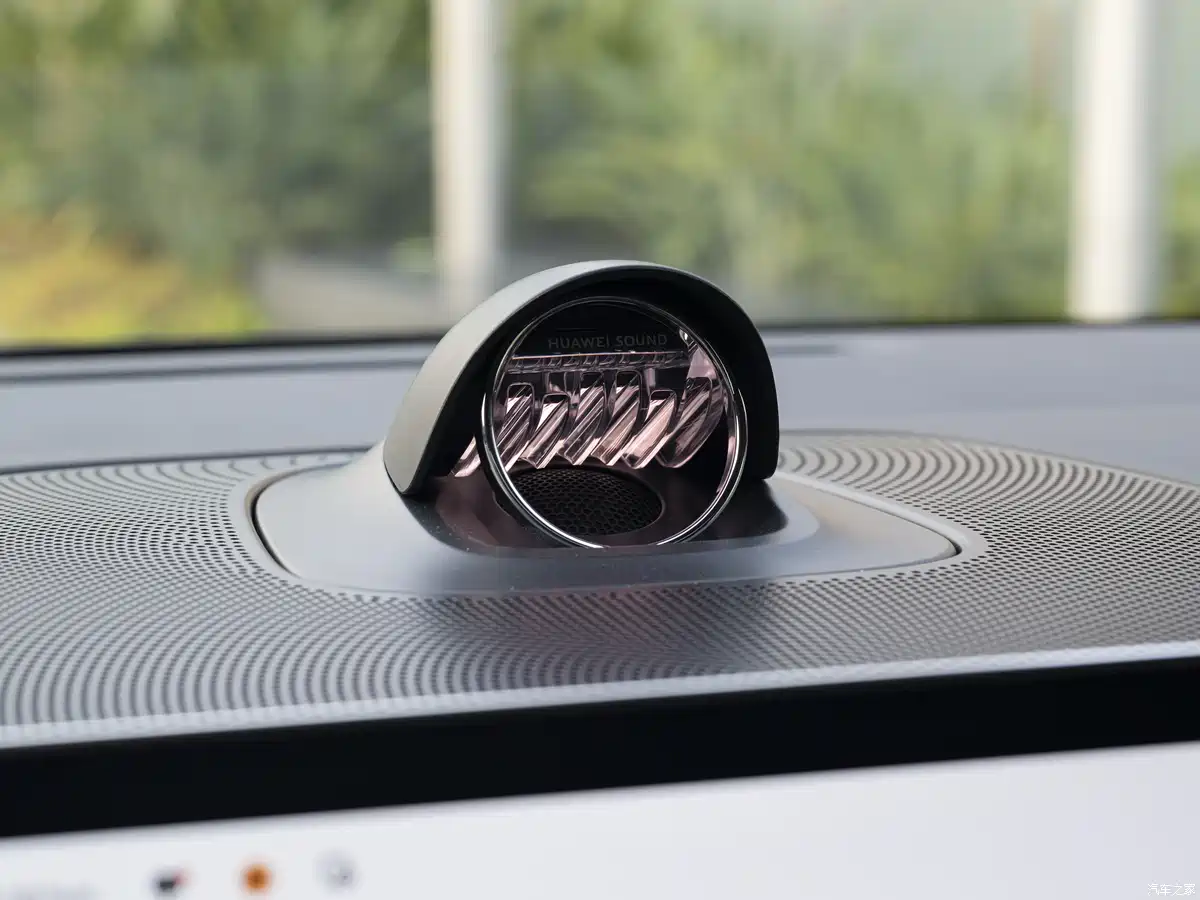
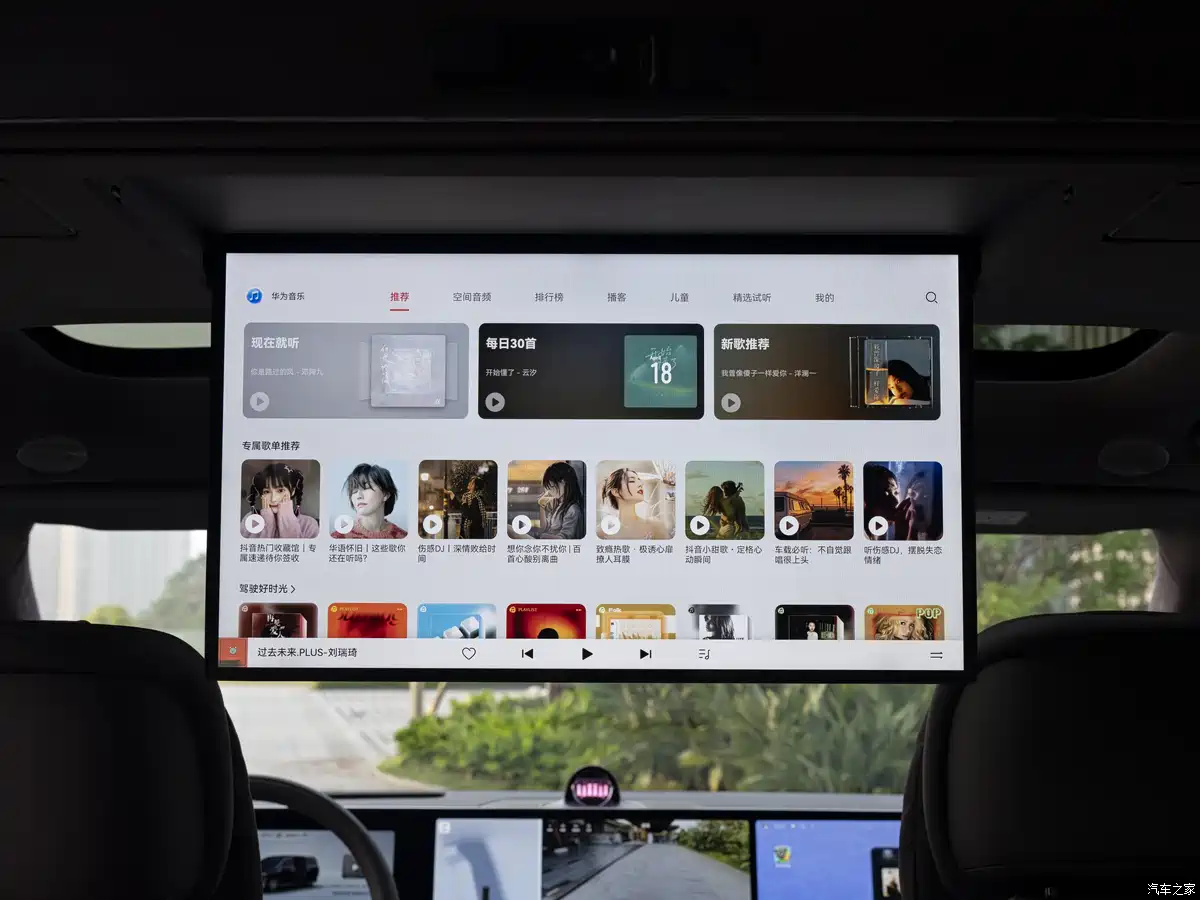
Inside, the “Cosmos” triple-screen dashboard pairs two 17.2-inch 3.4K displays (driver and co-driver) with a HUD, all running HarmonyOS. Audio comes from a 25-speaker HUAWEI SOUND Excellence system as standard, with the flagship Ultra+ variant stepping up to a 35-speaker Extraordinary system — complete with eight headrest speakers and a one-touch voice privacy shield.
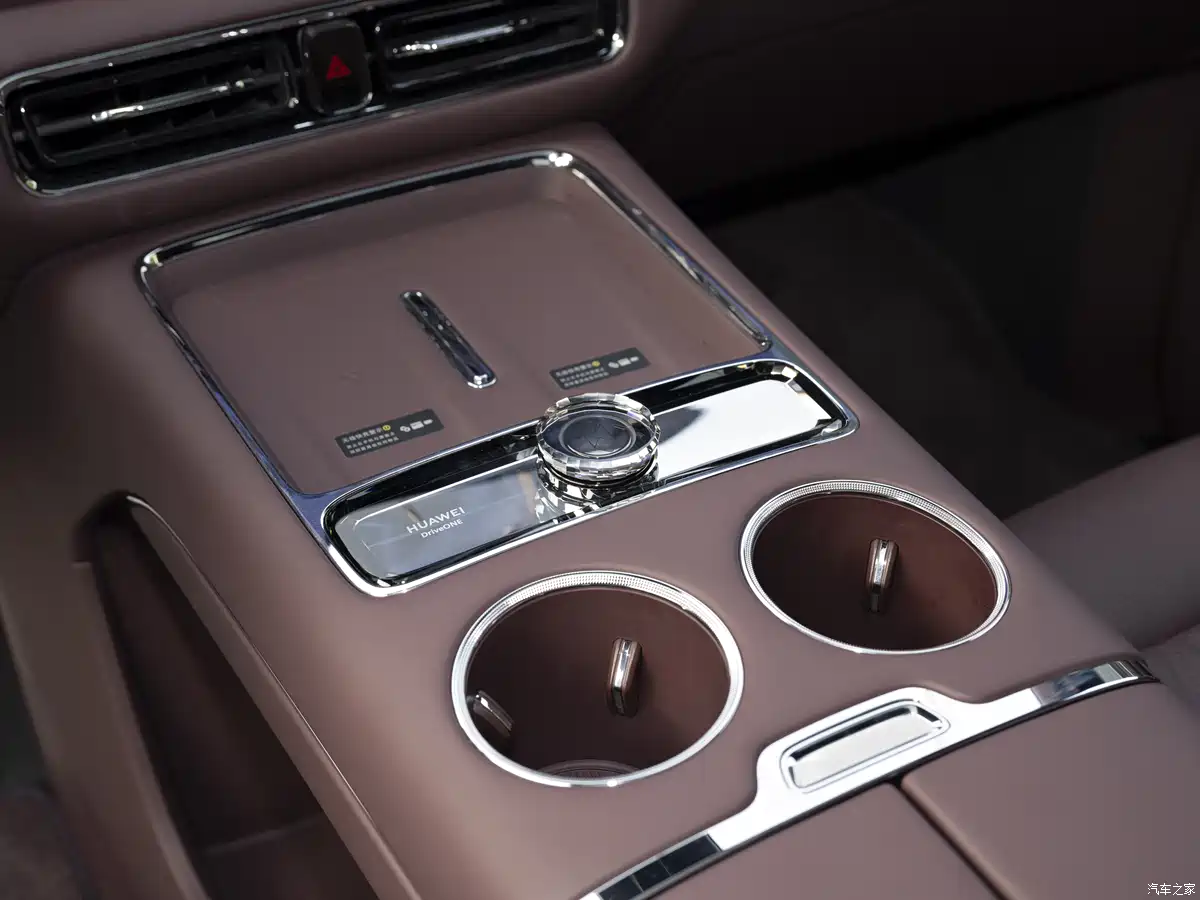
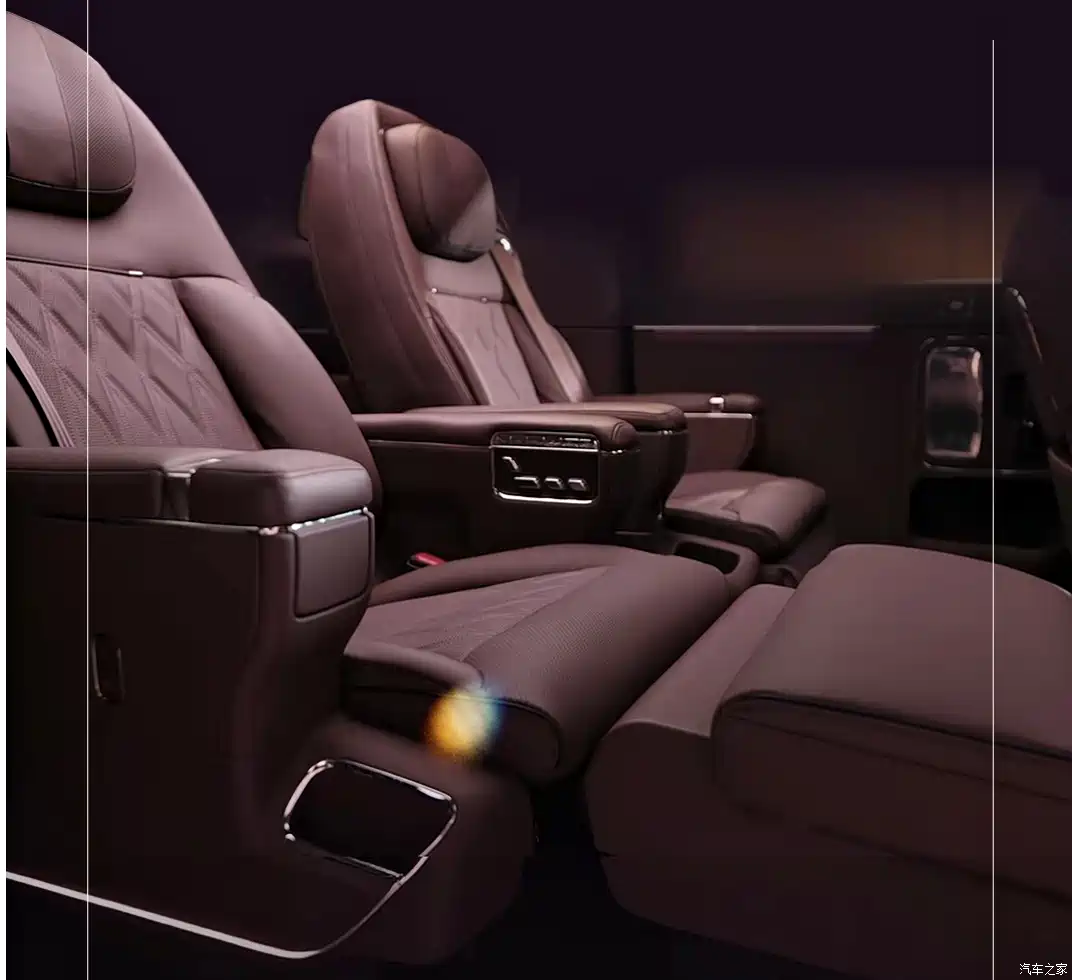
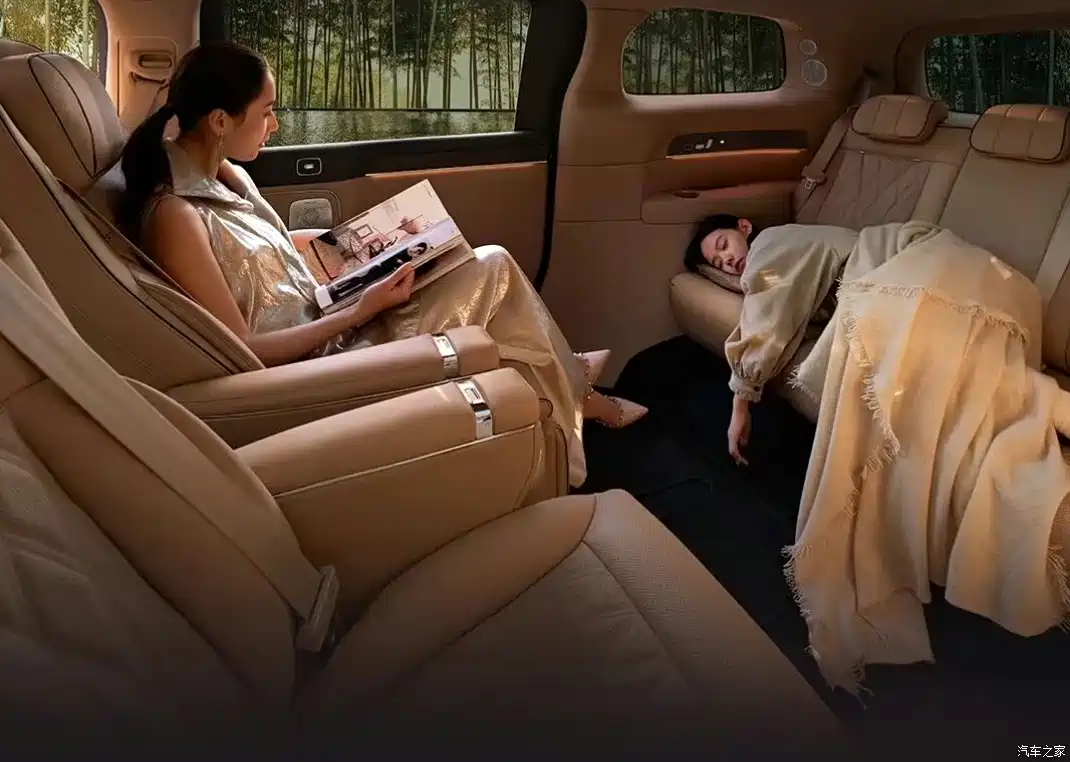
Second-row occupants sit in 123-degree dual zero-gravity seats with mechanical massage, graphene-heated armrests and footrests, and ventilation. From the Ultra trim upward, the seats rotate: 45 degrees for boarding, 90 degrees for a view, 180 degrees for a face-to-face lounge configuration or a flat double-bed mode. The 21.4-inch ceiling-mounted entertainment screen and a refrigerator (which holds temperature for 12 hours after power-off) arrive from the second trim level, Max+, upward. Privacy-dimming glass is gesture-controlled; physical buttons are placed on doors and seat panels for those who prefer them.
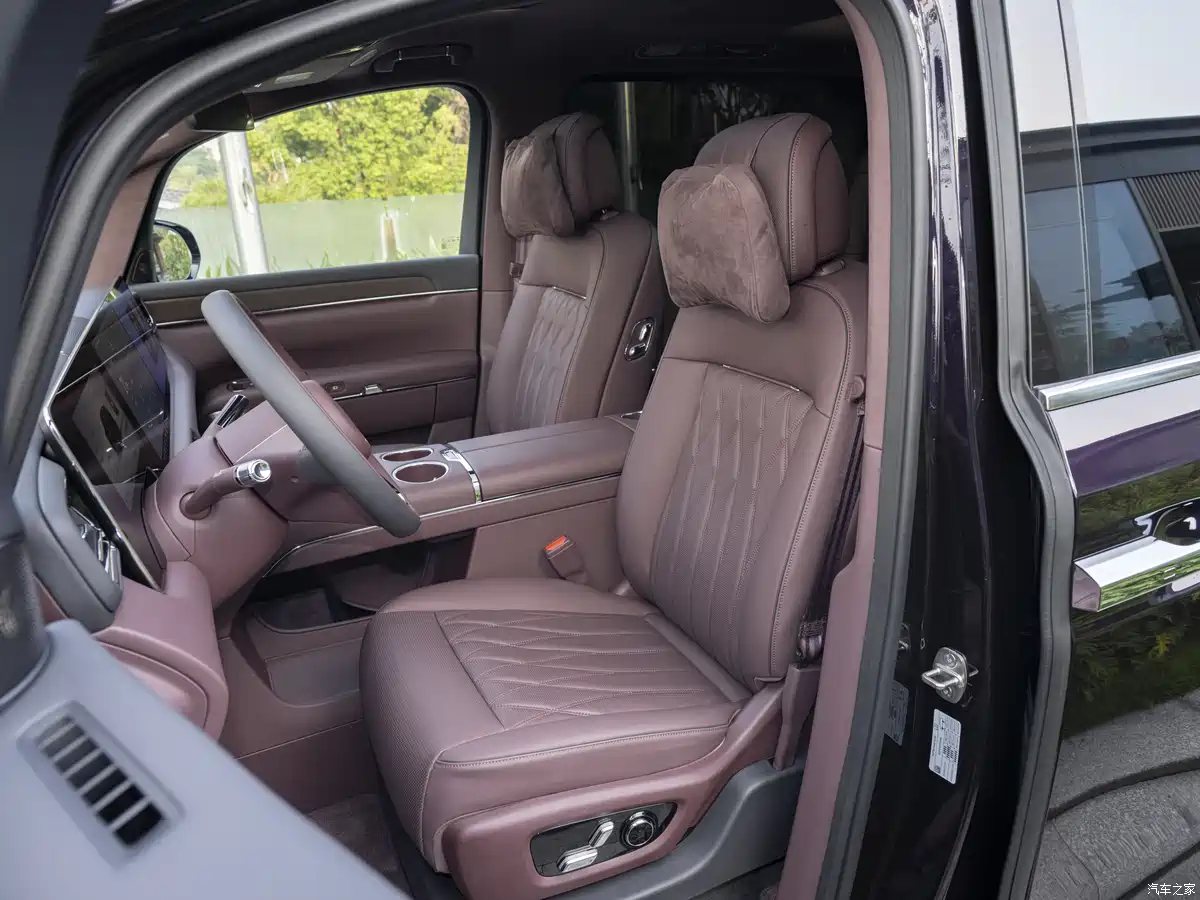
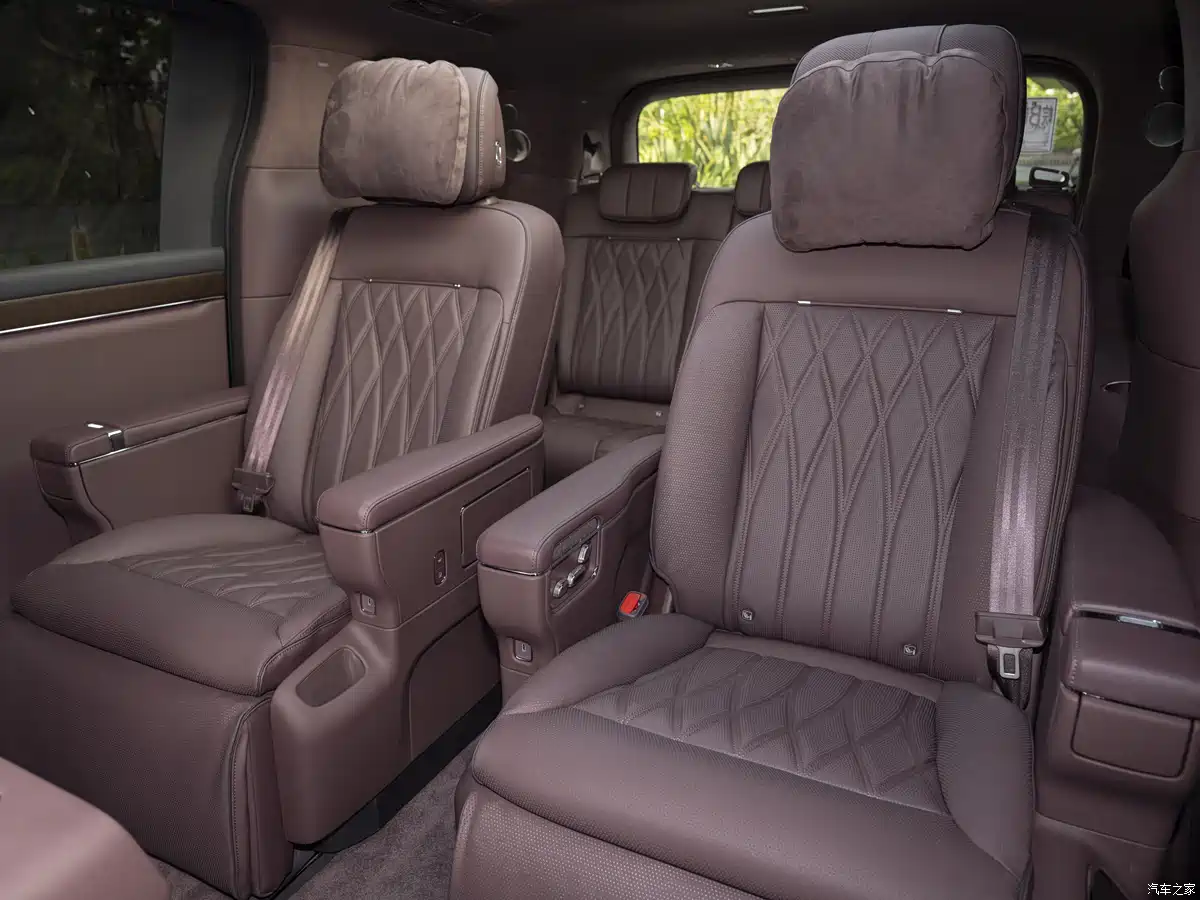
The third row maintains three seats with powered recline and heating — an increasingly rare standard fitment in this class.
Boot capacity reaches 790 litres with all seven seats occupied, with an additional under-floor compartment. A 12V outlet and air suspension lowering mode aid loading.

Safety and structure
The body uses electromagnetic heat-press die-casting technology to consolidate 78 separate components into a single structural element, reducing component weight by 15.5%. High-strength steel and aluminium together account for 91.6% of body material, with hot-formed steel at 25.1%. Twin 2,000 MPa hot-gas-expanded A-pillar tubes and eight 2,200 MPa hot-formed side-door impact beams form part of an “11 horizontal, 6 vertical” cage structure.

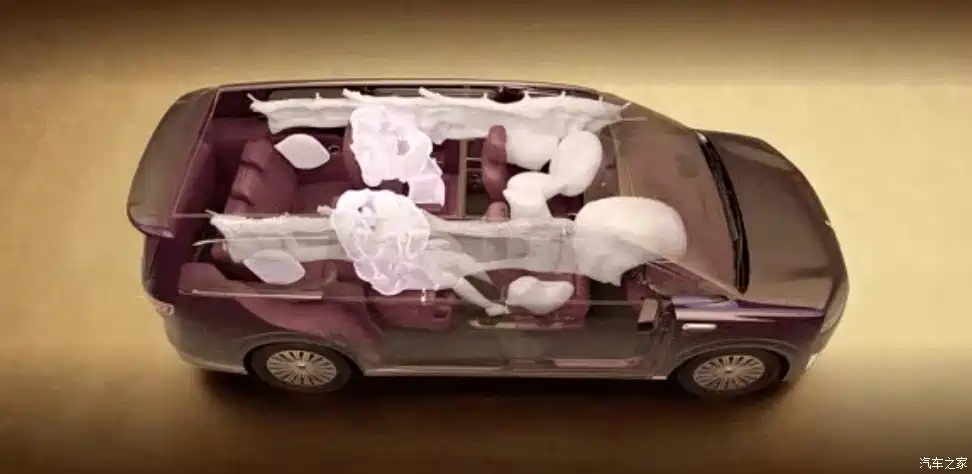
The airbag count reaches 13, supplemented by a 3.2-metre-long side curtain covering all three rows. Both second and third-row seats execute a pre-collision return to upright, and the third row has its own dedicated side airbags — a level of rear-passenger protection that remains uncommon. All four doors carry mechanical release handles, backed by a dual-battery redundant power system.
Competitive outlook
The V9 steps into a market that includes the Lantu Dreamer (currently the segment’s volume leader), the Li Auto MEGA, the Zeekr 009 and the Buick GL8 Avenir. Of these, the Dreamer is the closest in positioning given its own Huawei smart-driving credentials — but the V9 argues for considerably deeper Huawei integration across powertrain and cabin systems. If the pricing holds and deliveries proceed without delay, it has a credible claim to the segment’s technical benchmark position.
Prices converted at approximately 7.22 CNY/USD. Specifications based on pre-launch materials; confirm final configuration at the time of purchase.