
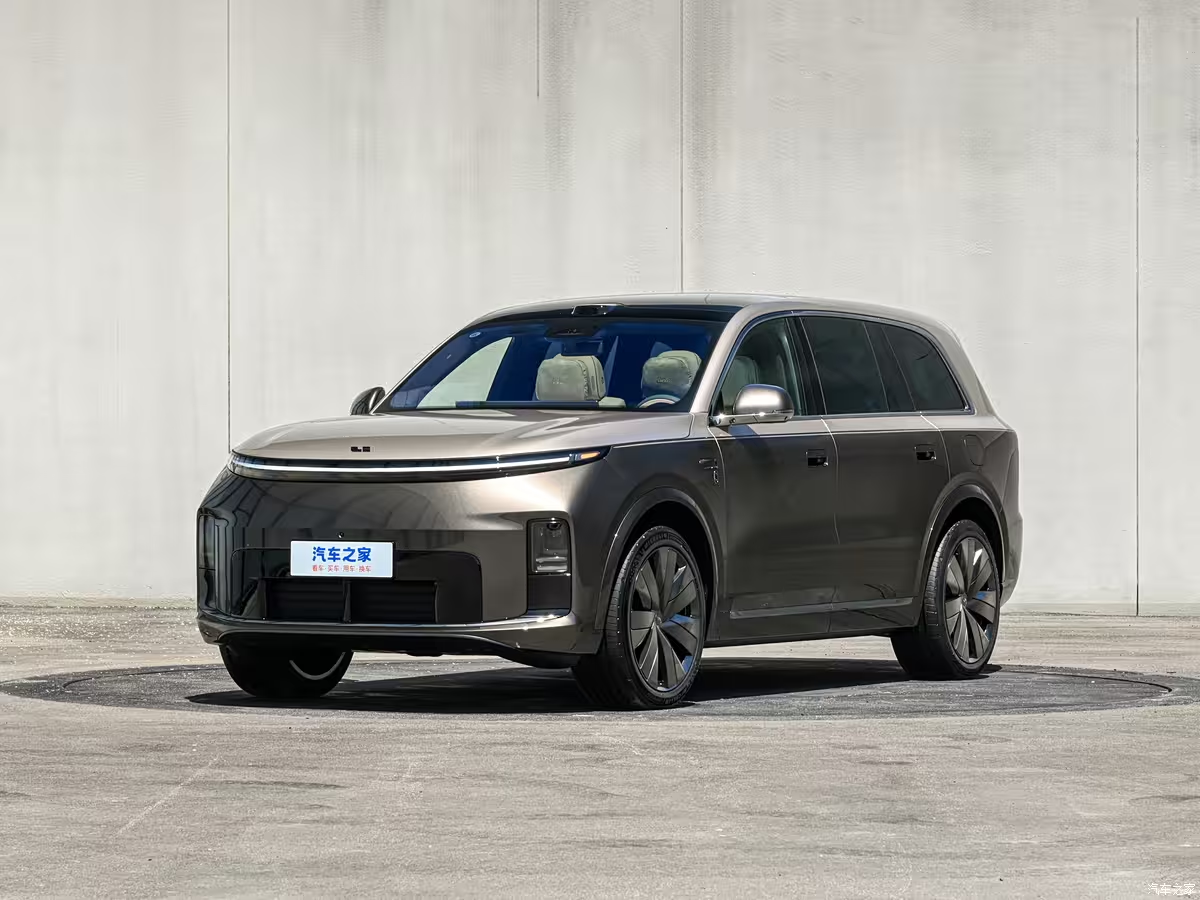
2026 Li Auto L9 Officially Launched: 800V Active Suspension, Steer-by-Wire, Priced From ¥459,800 (~$63,100)
Li Auto has officially taken the wraps off the all-new 2026 L9, its flagship six-seat extended-range SUV, releasing it in two trim levels priced at ¥459,800 and ¥509,800 — roughly $63,100 and $70,000 at current exchange rates. The new generation marks a significant leap from its predecessor, headlining with a full 800V active suspension system, a fully by-wire chassis, and the brand’s first in-house 5-nanometer AI chip.
Exterior: Refined Proportions, Smarter Lighting
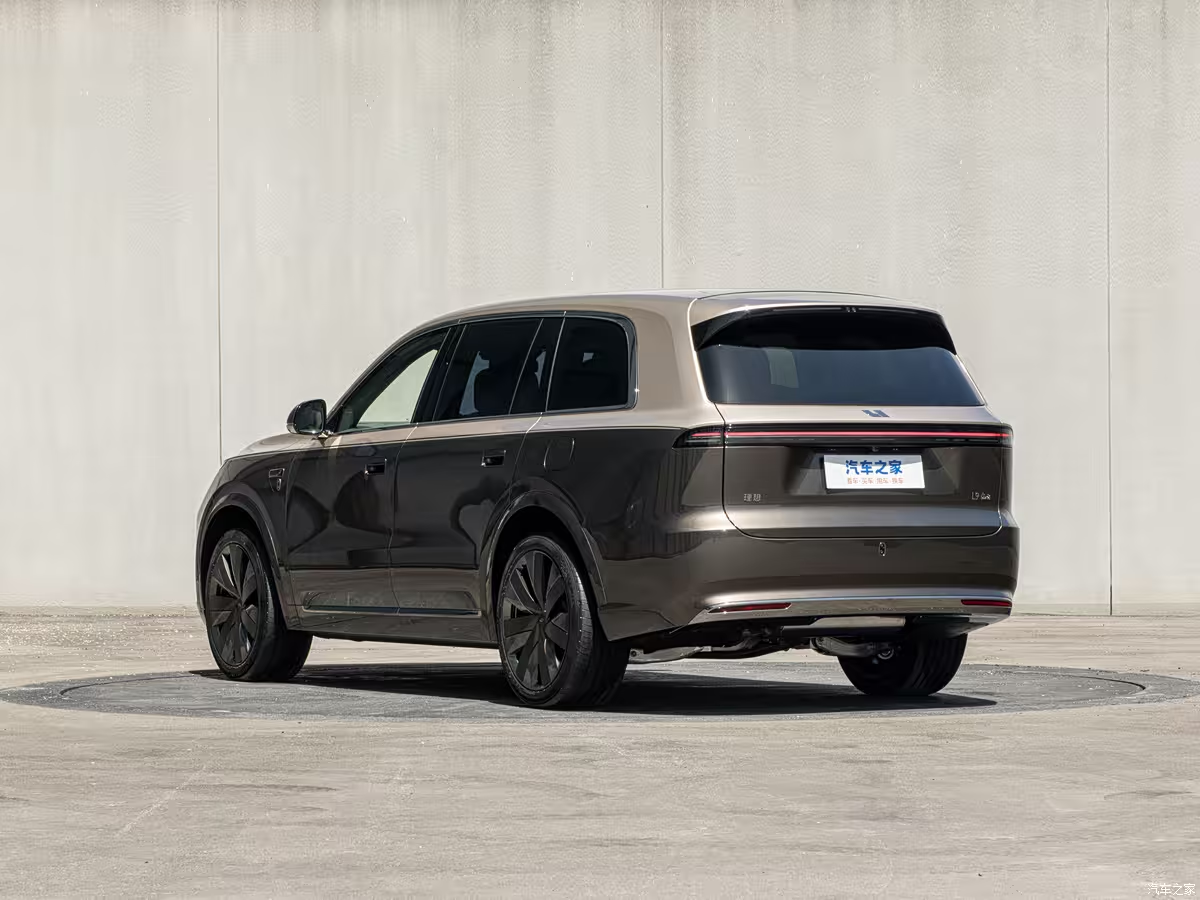
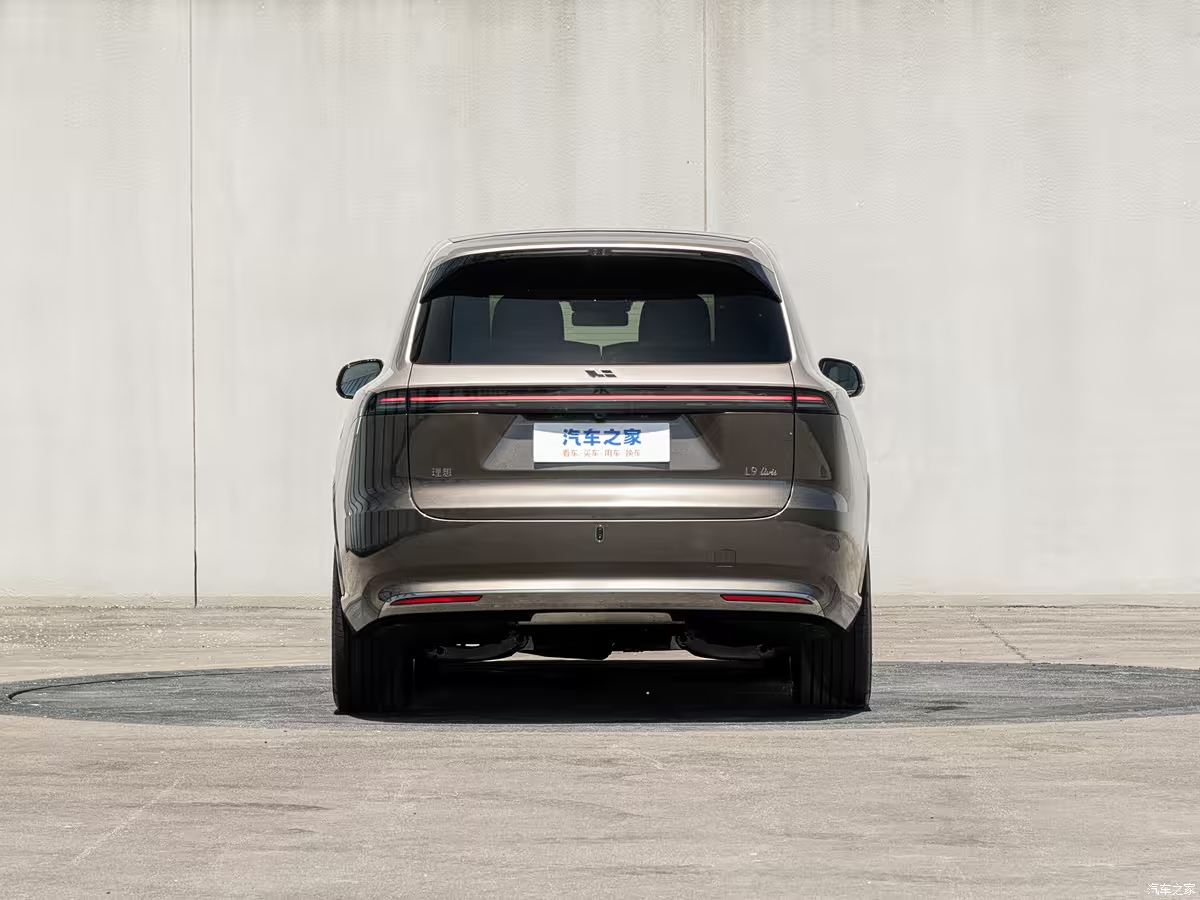
The new L9 carries a noticeably more premium presence thanks to targeted detail work rather than a full redesign. Up front, the signature star-ring LED clusters have been flattened for a more flush, polished look, and now support three-color illumination. Combined with ADB matrix headlamps and Ultra-Wideband (UWB) proximity sensing, the lights can respond with customized animations when the driver approaches.
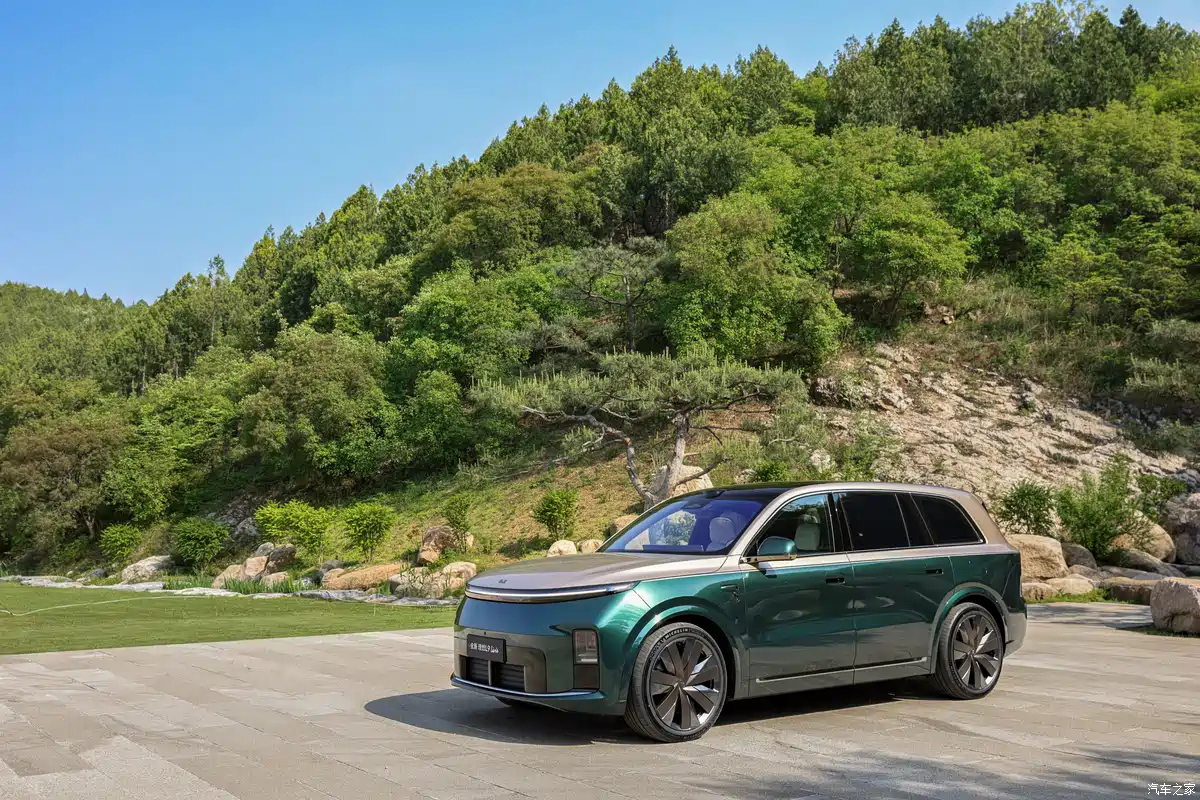
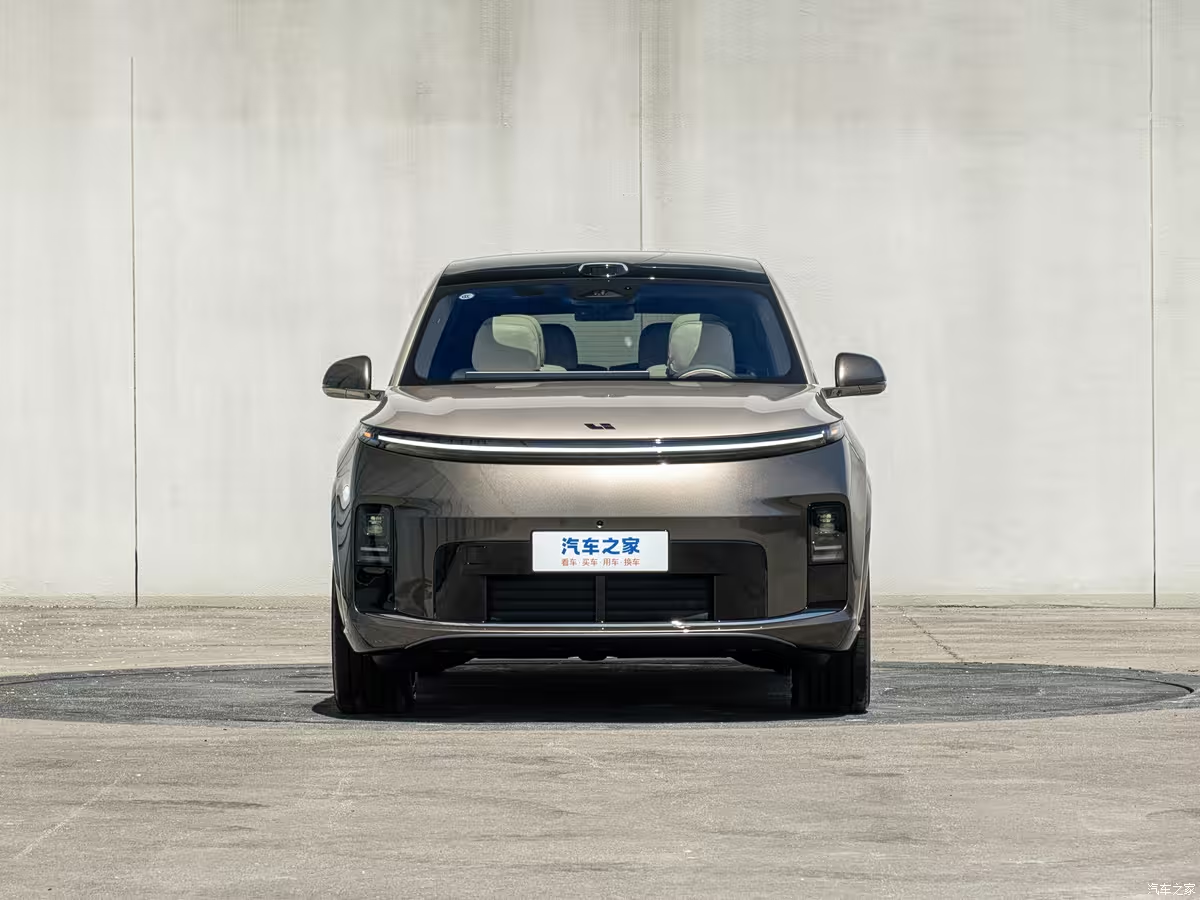
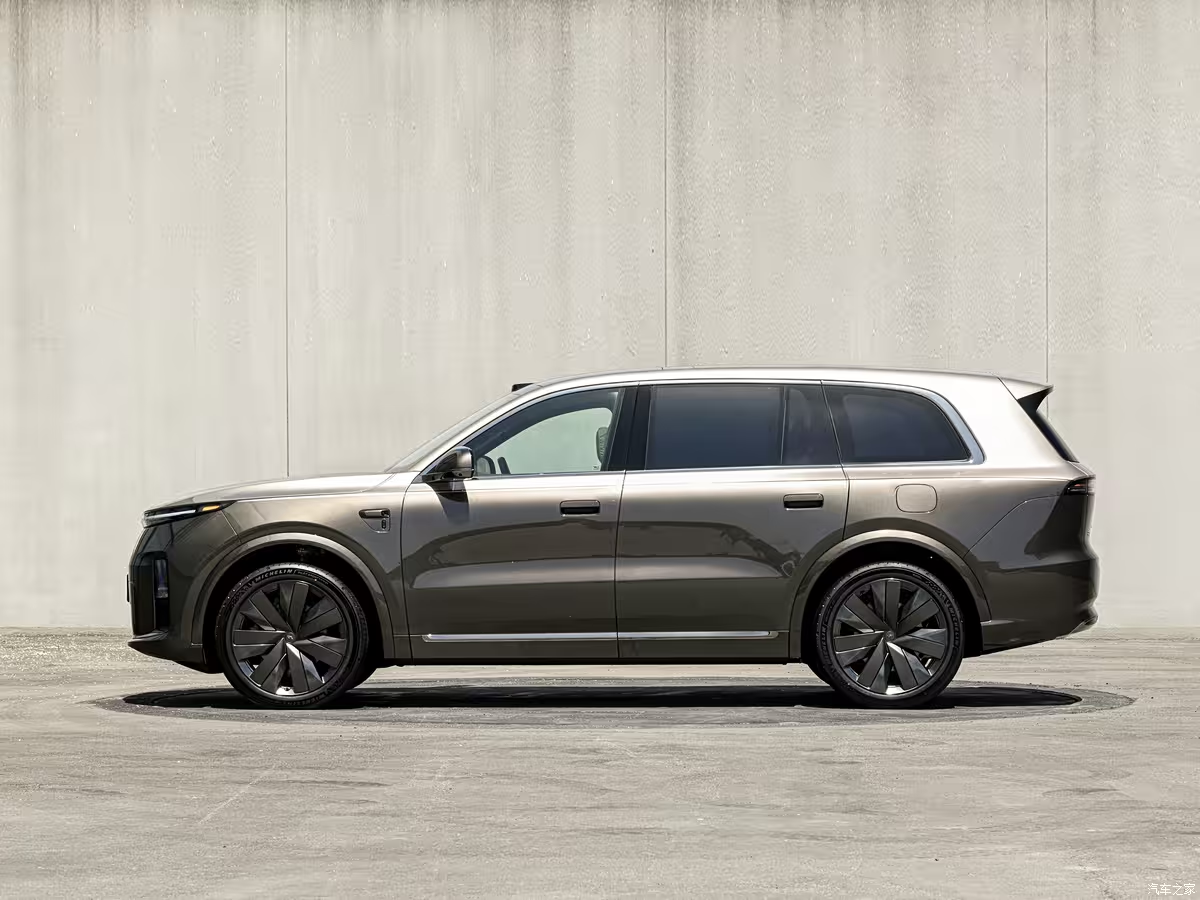
Body dimensions come in at 5,255 mm long, 2,000 mm wide, and 1,810 mm tall, with a 3,125 mm wheelbase. The front overhang has been shortened by 30 mm and the rear overhang extended by 40 mm, improving stance and visual proportion. The vehicle rides on 22-inch wheels, and the new L9 Livis dual-tone variant features a hand-polished gold beltline applied via a triple-coat paint process, with seamless panel transitions throughout.
Interior: A Cinema-Grade Upgrade
The biggest cabin transformation is the move from a dual-screen setup to a single 29-inch ultra-wide panoramic display, achieving a 92.4% screen-to-body ratio. The unit runs on a Qualcomm Snapdragon 8797 Elite SoC with a 320-TOPS NPU, a 90 Hz refresh rate, and a 6K resolution at 1,000 nits peak brightness.
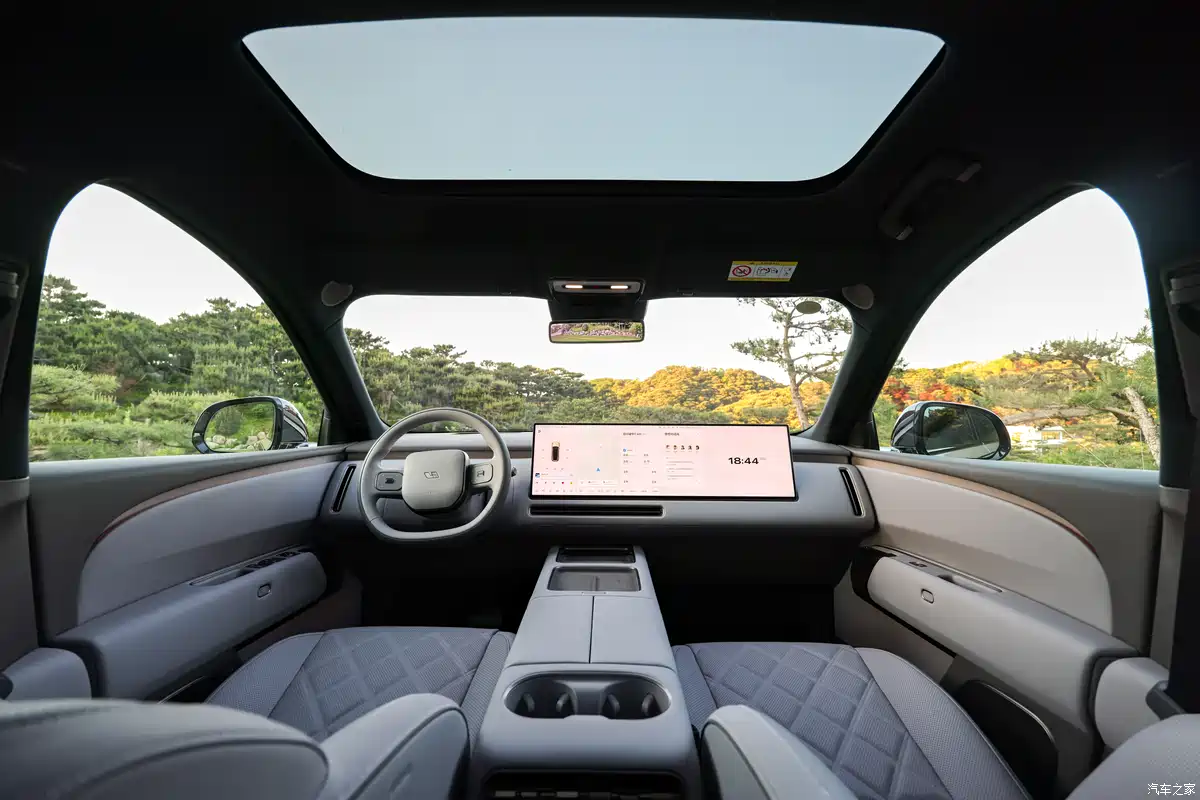
Three dual-tone color schemes are available — green/white, brown/coffee, and gray/purple — and the interior gains real wood trim inserts on the door panels. The diamond-stitched seats feature Livis embroidery on the headrests, with headrest audio channels repositioned to the sides to reduce acoustic dampening from the padding.
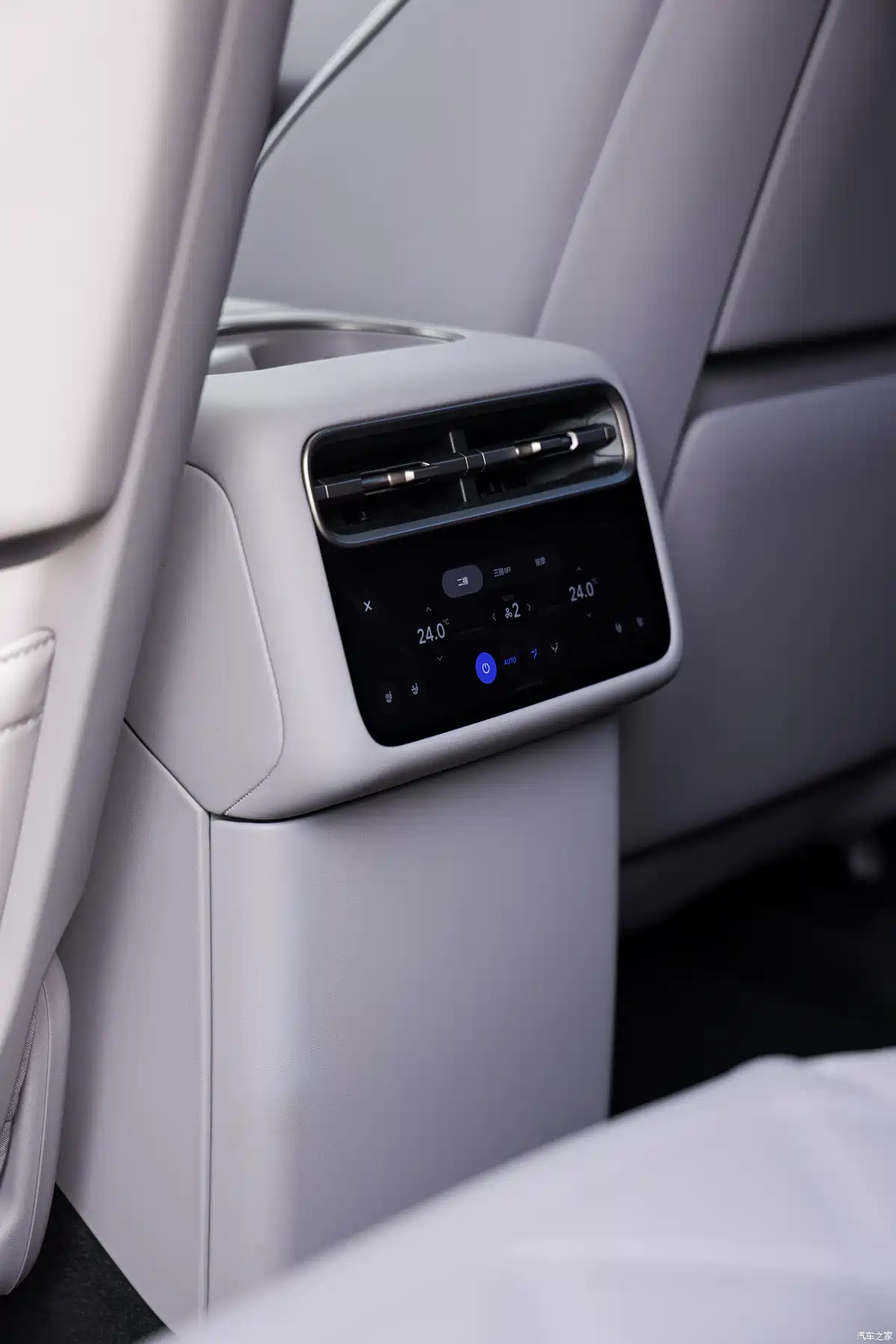
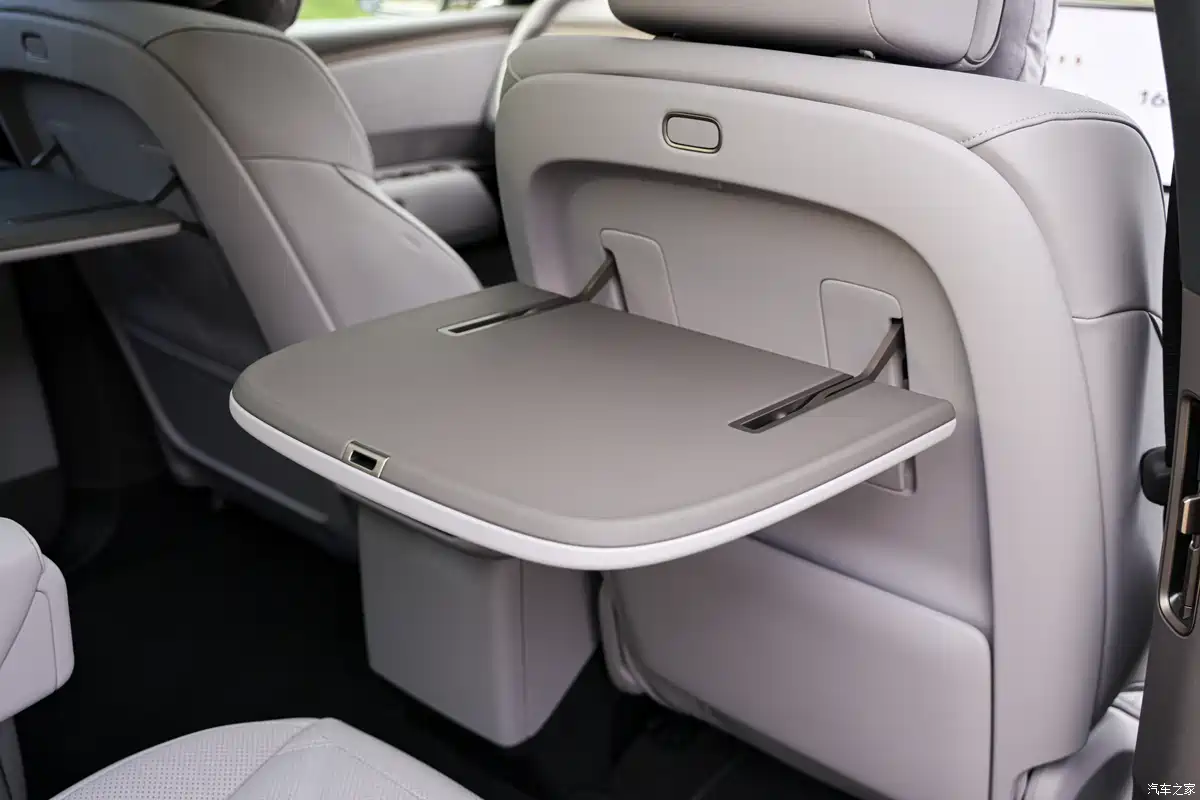
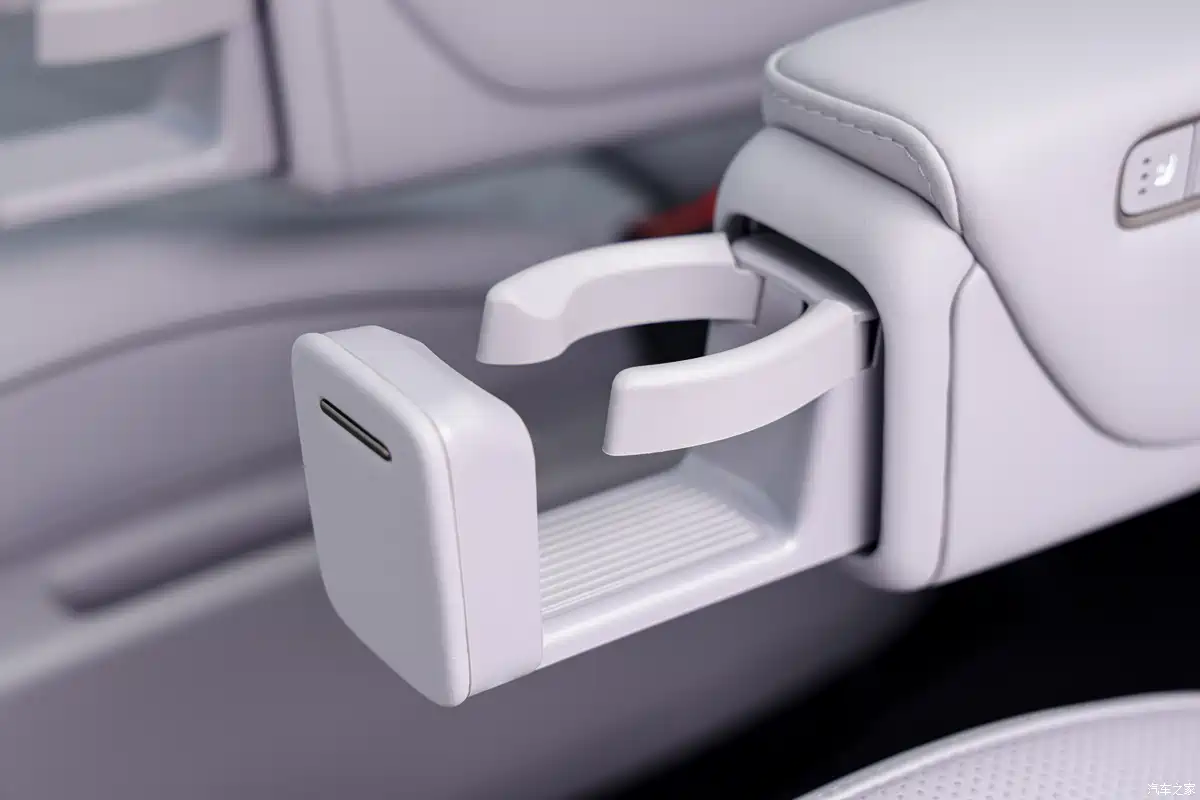
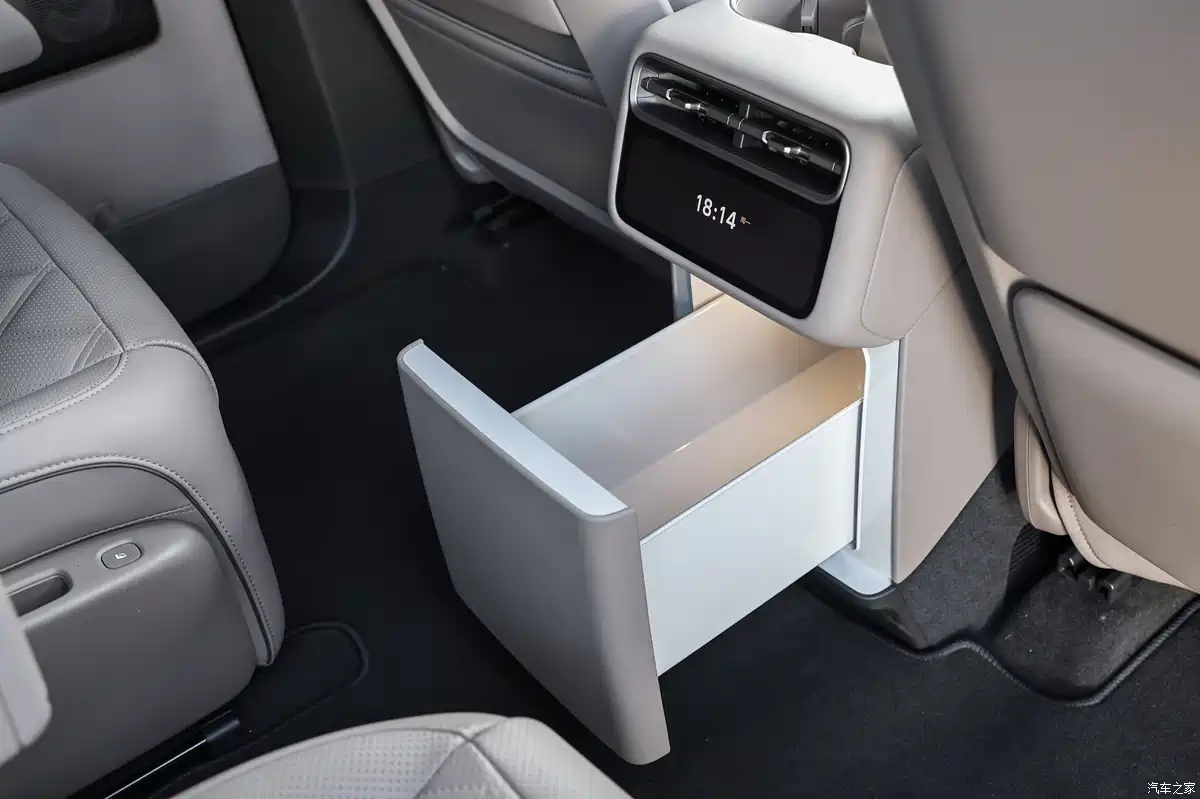
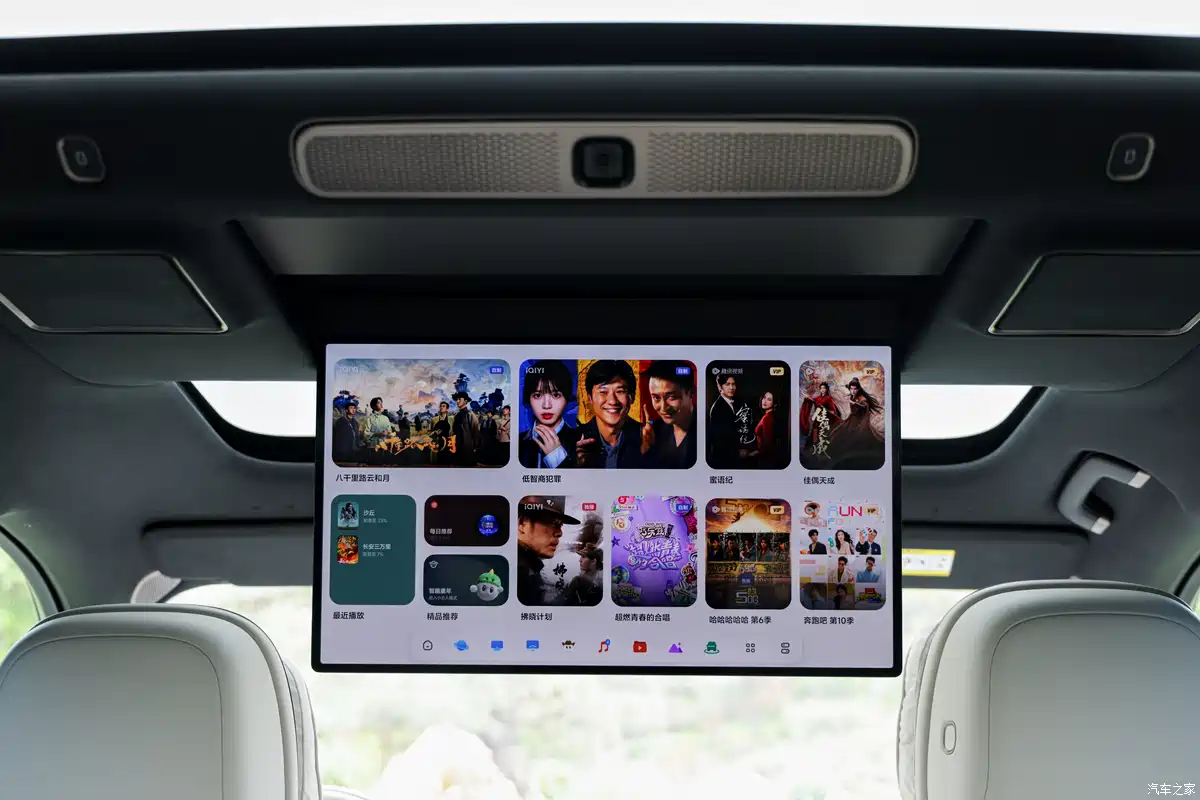
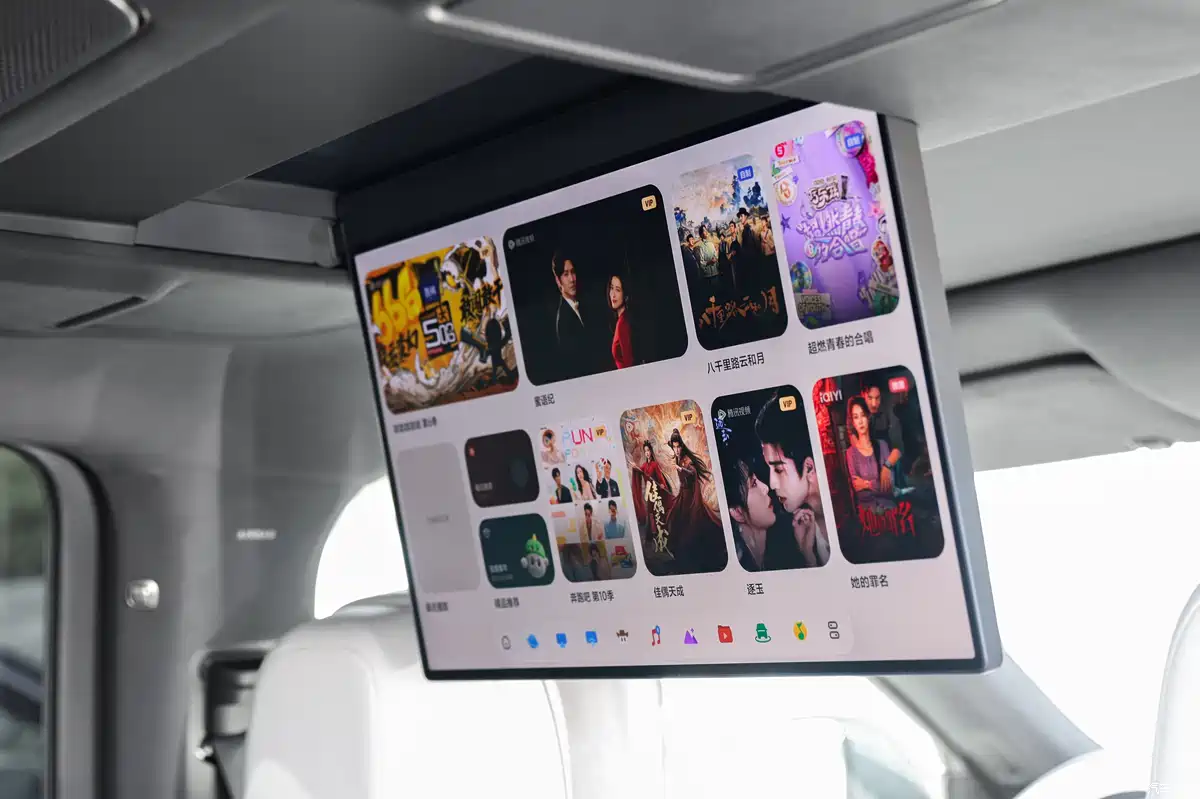
The entire cabin is wrapped with a 5,440-watt “Flawless Star Ring Theater” audio system delivering 9.3.6 Dolby Atmos-style surround sound. The second-row ceiling screen now slides fore and aft on a motorized rail, giving front passengers more headroom when needed while keeping the display close enough for rear passengers. Across the full cabin there are 29 heated surfaces — including leg rests, armrests, and headrest cushions — along with electric sun shades and multi-stage electrochromic glass.
Driver Assistance: Dual 5nm Chips, Four LiDARs
The higher of the two trims mounts four LiDAR units and runs a pair of Li Auto’s proprietary Mach 100 5nm chips in a dual-chip configuration, delivering a combined compute capacity of 2,560 TOPS. The system supports full-scenario Navigate on Autopilot (NOA) across expressways, ring roads, and urban streets, and can handle more than 300 documented parking scenario types — including hands-free remote parking and straight-line vehicle recall.
Active noise management covers road noise (RNC) and range-extender vibration (EDC) through over 150 acoustic treatment points across the body.
Chassis: By-Wire, Corner to Corner
The high-spec trim’s 800V fully independent active suspension allows each wheel to rise and fall independently in real time, eliminating brake dive during hard stops and body roll in corners. The fully by-wire chassis integrates steer-by-wire, four-wheel steering, and Electro-Mechanical Braking (EMB) throughout.
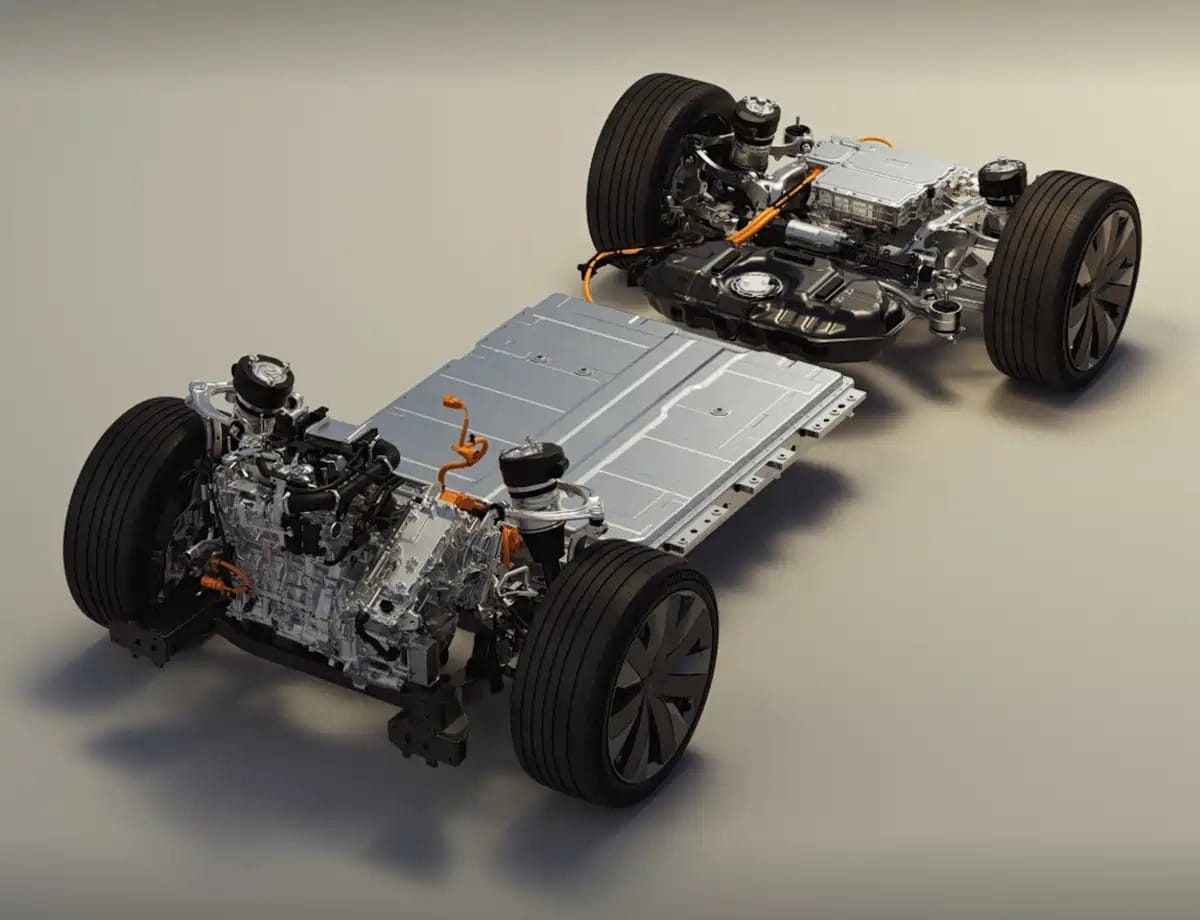
In a worst-case brake failure scenario, a single functioning wheel retains enough braking authority to bring the vehicle to a controlled stop. Rear-axle steering cuts the turning circle to a tight 5.3-metre radius.
Worth reading review of the best Chinese SUVs of 2026
Powertrain: Faster Charging, Lower Fuel Consumption
Under the hood is Li Auto’s third-generation 1.5-litre range-extender paired with a dual-motor intelligent all-wheel-drive system. Combined output stands at 420 kW (563 hp) and 710 N·m of torque, with a 0–100 km/h sprint in 4.9 seconds. WLTC-cycle fuel consumption when the battery is depleted drops to 6.3 litres per 100 km, a claimed 20% improvement over the outgoing model.
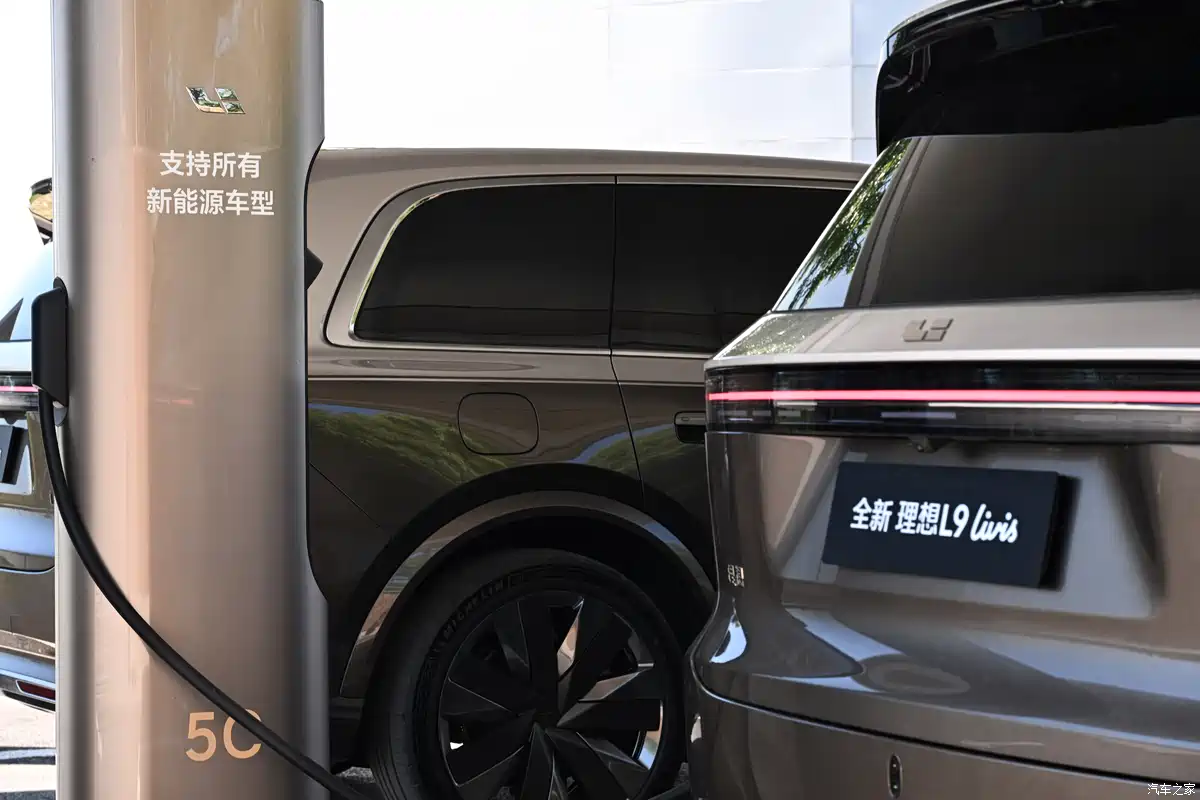
The 72.7 kWh battery pack delivers a CLTC pure-electric range of 420 km and a combined CLTC range of 1,650 km (~1,025 miles). Charging capability tops out at 420 kW (5C), meaning a 10-to-80% charge takes just 10 minutes.
Market Context: Who Is Li Auto Fighting?
The 2026 L9 slots directly against three rivals in the Chinese flagship SUV segment. The Huawei Aito M9 — available in both EREV and BEV form, in standard and long-wheelbase bodies — leverages the HarmonyOS ecosystem and broader price coverage. The Zeekr 9X leads on performance and cabin ambiance with its 2.0T plug-in hybrid powertrain.
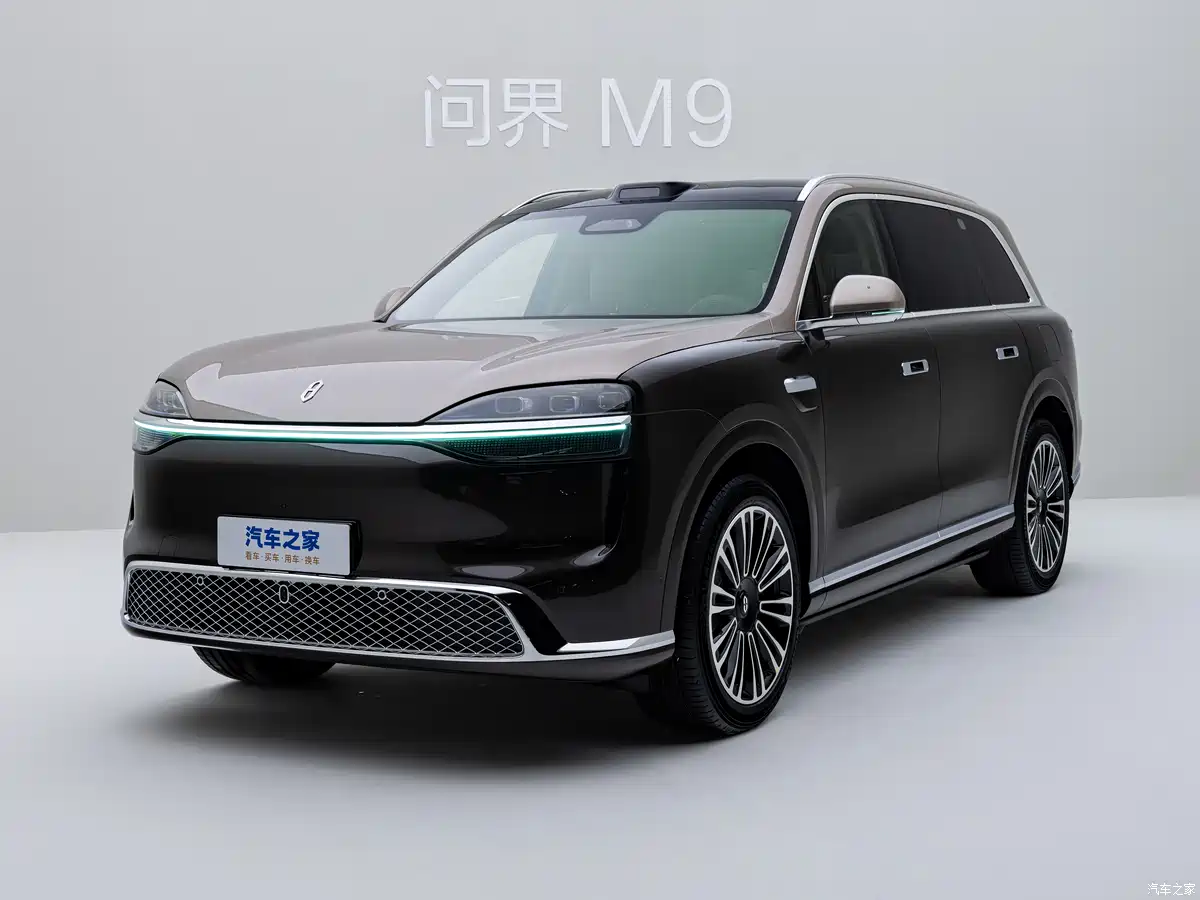
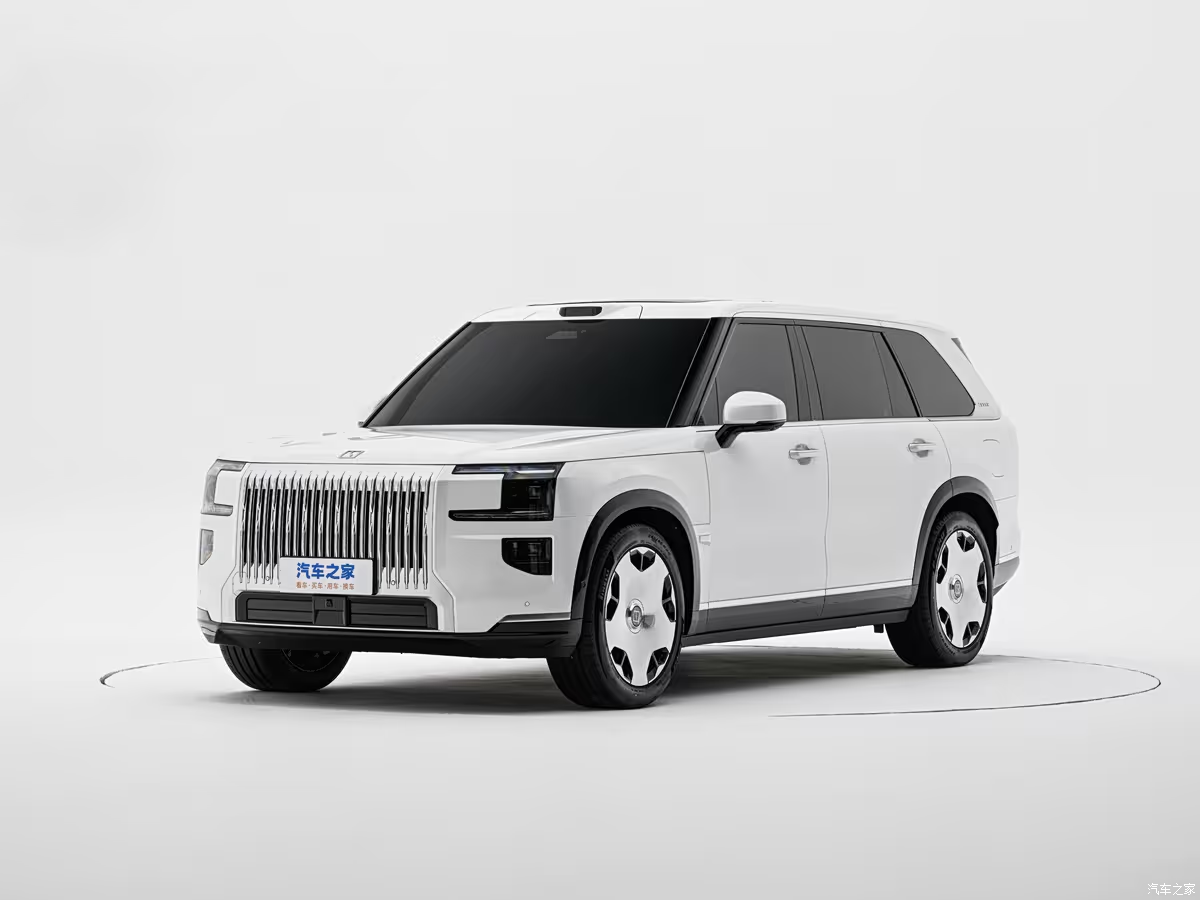
Against this field, Li Auto positions the new L9 as the most well-rounded option for families — no compromises on range, technology, or comfort — while the Aito M9 wins on smart driving and ecosystem integration, the Zeekr 9X on sport and prestige, and the Nio ES9 on premium urban electrification.
Editorial Take
The 2026 Li Auto L9 isn’t just an incremental update — it represents a deliberate repositioning of what a Chinese family SUV can be. By moving the conversation from spaciousness and screen count toward chassis engineering, silicon, and fast-charging infrastructure, Li Auto is inviting buyers to evaluate it on the same criteria used for European luxury marques. Whether the market responds at prices above ¥450,000 will be the real test. Deliveries are expected to begin in the near term following the May 15 launch.
All prices converted at an approximate rate of ¥7.29 to $1 USD. CLTC range figures are measured under Chinese test cycle conditions and may differ from real-world results.


