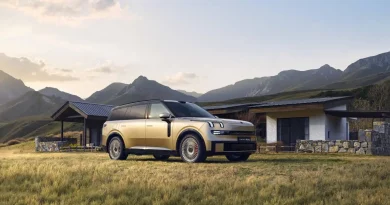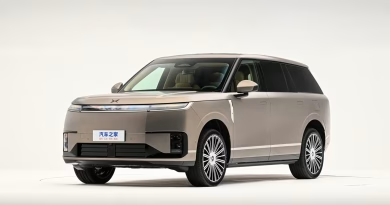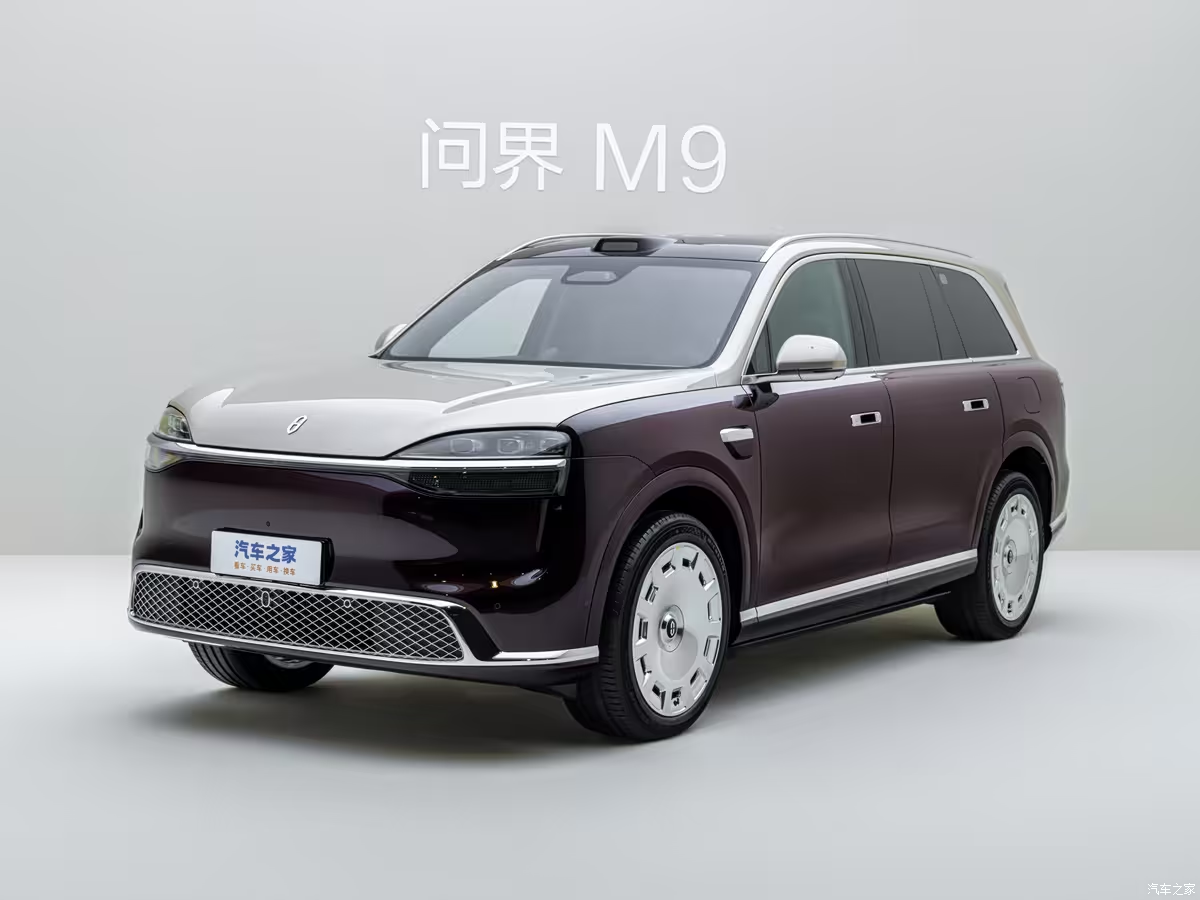
2026 AITO M9 Review: China’s Flagship SUV Gets a Sweeping Upgrade
On sale from ¥479,800 (~$70,660), the refreshed M9 raises the bar with 140-plus technical improvements, a full six-LiDAR sensor suite, and an all-new stretched long-wheelbase variant.
When AITO launched the original M9 just over two years ago, its main competition was the Mercedes GLE and BMW X5. The fact that a Chinese brand was even framing the conversation that way felt audacious. What happened next was remarkable: the M9 didn’t just compete, it triggered an entirely new category war — China’s nine-series flagship SUV segment. Now, on May 27, 2026, AITO has launched the comprehensively updated version, and the brand has considerably more to defend this time around.
Cumulative deliveries across the AITO lineup have surpassed 1.39 million vehicles. The M9 alone has found 285,000 buyers, and the new model had already collected more than 70,000 pre-orders before the first car was officially handed over. That is the context in which to read this launch: not a cautious evolution, but a brand pressing its advantage hard.
Design: familiar silhouette, significant detail work
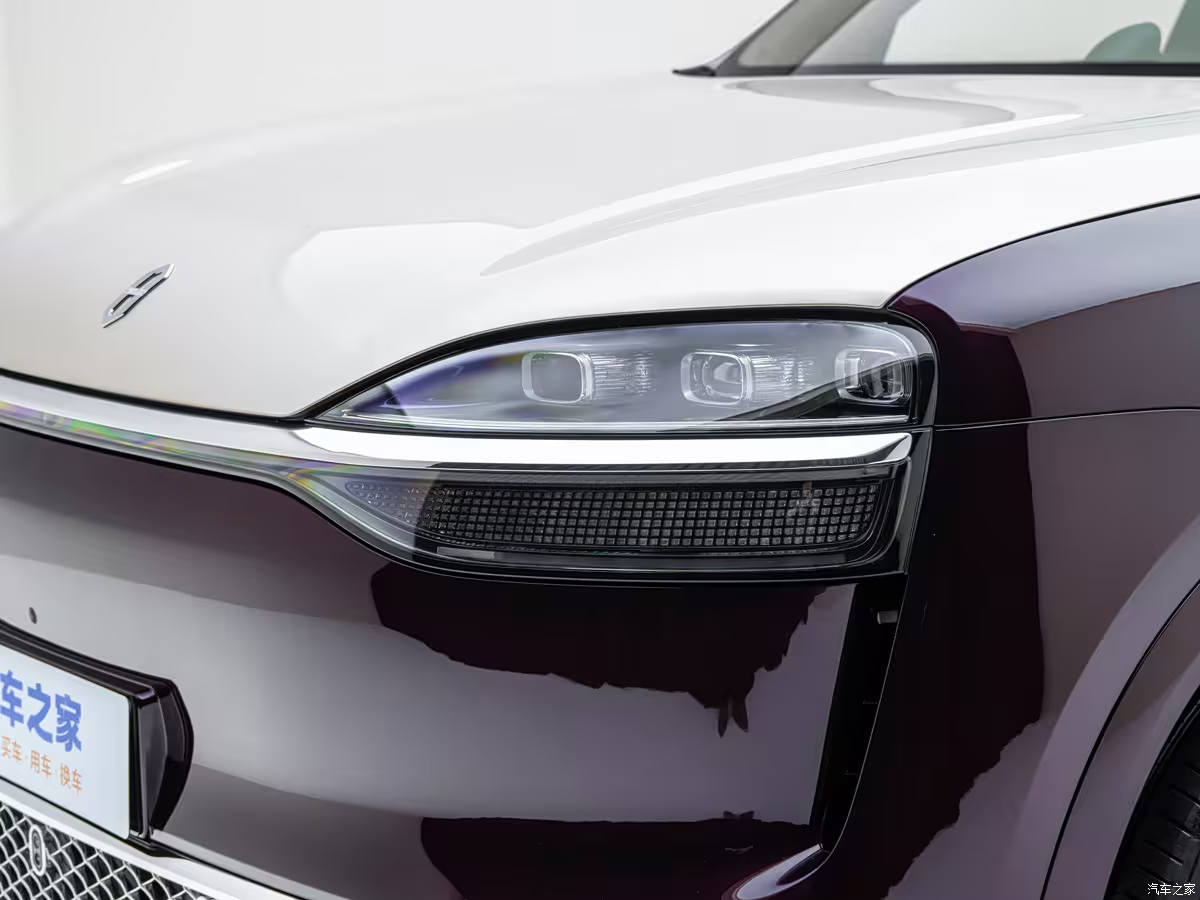
From a distance the 2026 M9 is clearly recognisable as the same car, but spend a few minutes with it and the number of detail changes becomes apparent. The headline visual story up front is the new million-pixel full-colour laser headlight system. It is not merely decorative — the units can project coloured images onto road surfaces, function as a welcome animation when you approach the car, display parking-distance warnings, and even cast a light carpet on the road when a door opens. It is the kind of feature that looks theatrical in a press release and turns out to be genuinely useful the first time you walk to the car in an unlit car park.
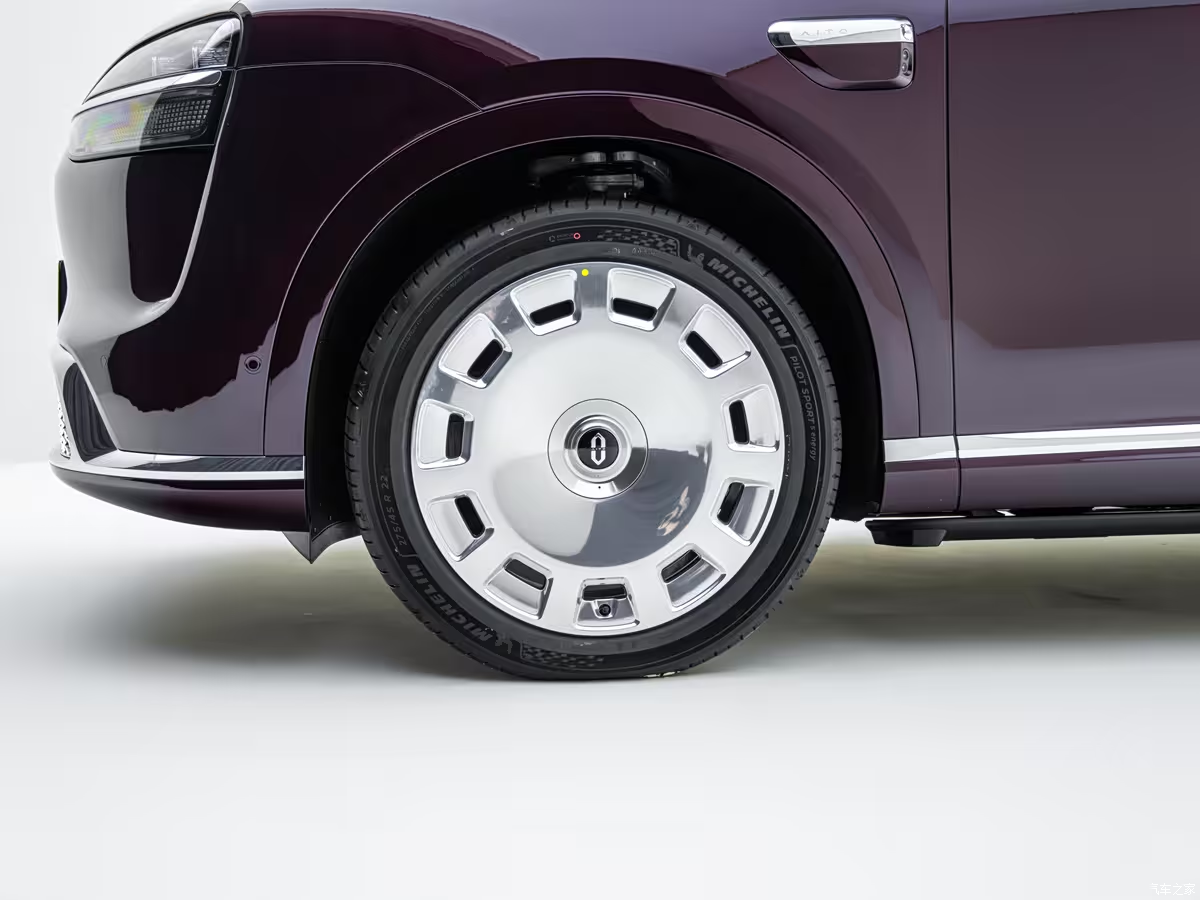
The front bumper gets a new mesh grille with chrome trim, pushing the luxury tone further up the register. Around the sides, AITO has introduced a semi-concealed door handle it calls “hand-grasping auspicious cloud” — a characterful piece of design that opens the door to a 77-degree angle, wider than most rivals. When the door swings out, the sill illumination and wing-mirror projections activate automatically.
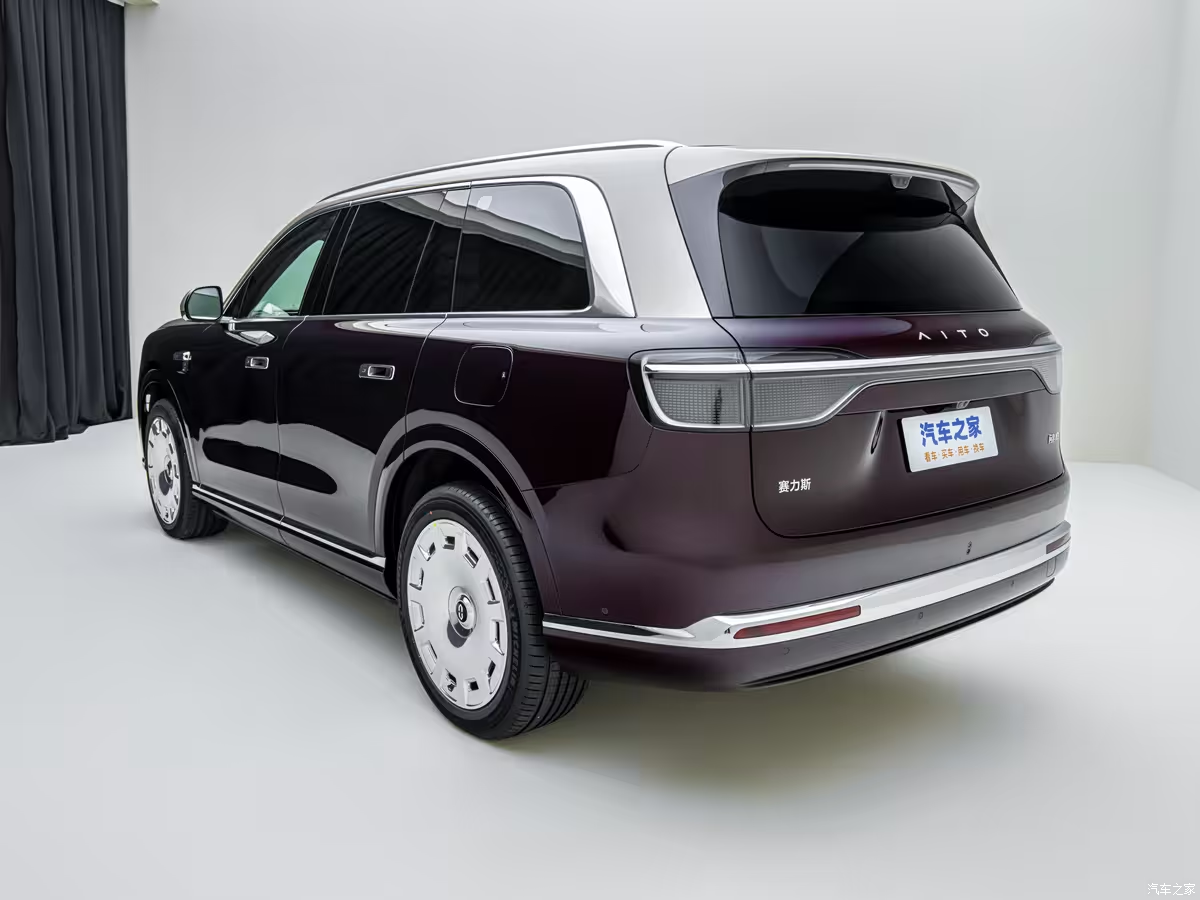
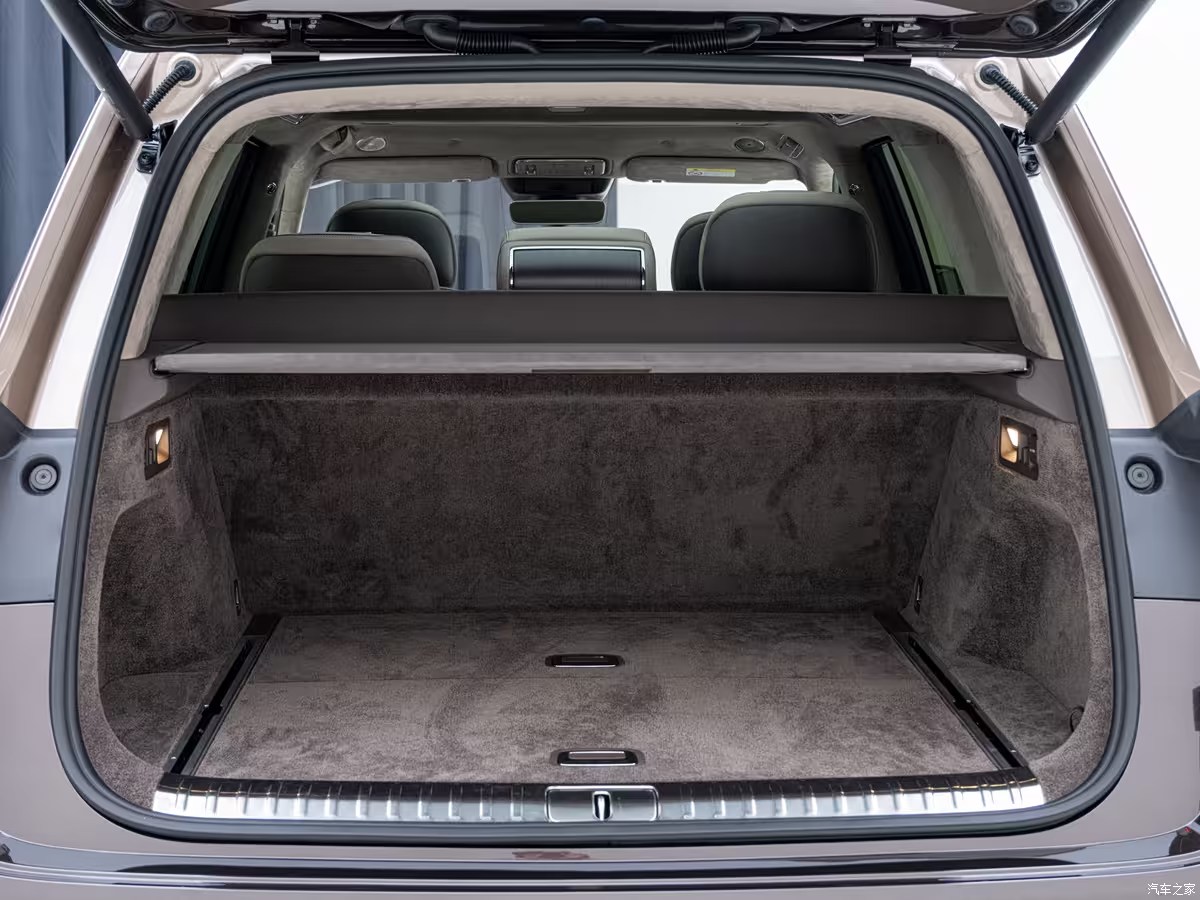
The car has grown in every dimension. Length is now 5,285mm (up 55mm), width 2,026mm (up 27mm), height 1,845mm (up 45mm) and wheelbase 3,125mm (up 15mm). For a car already in the large-SUV bracket those are meaningful additions, particularly in wheelbase where rear passengers will notice the difference. Seven exterior colours are available, from the conservative Obsidian Black and Warm Cloud White to the more adventurous Cerulean Amber and Crimson Gold. A 217-litre front trunk is available on battery-electric variants, split across two levels with built-in lighting and a drain so you can simply hose it out.
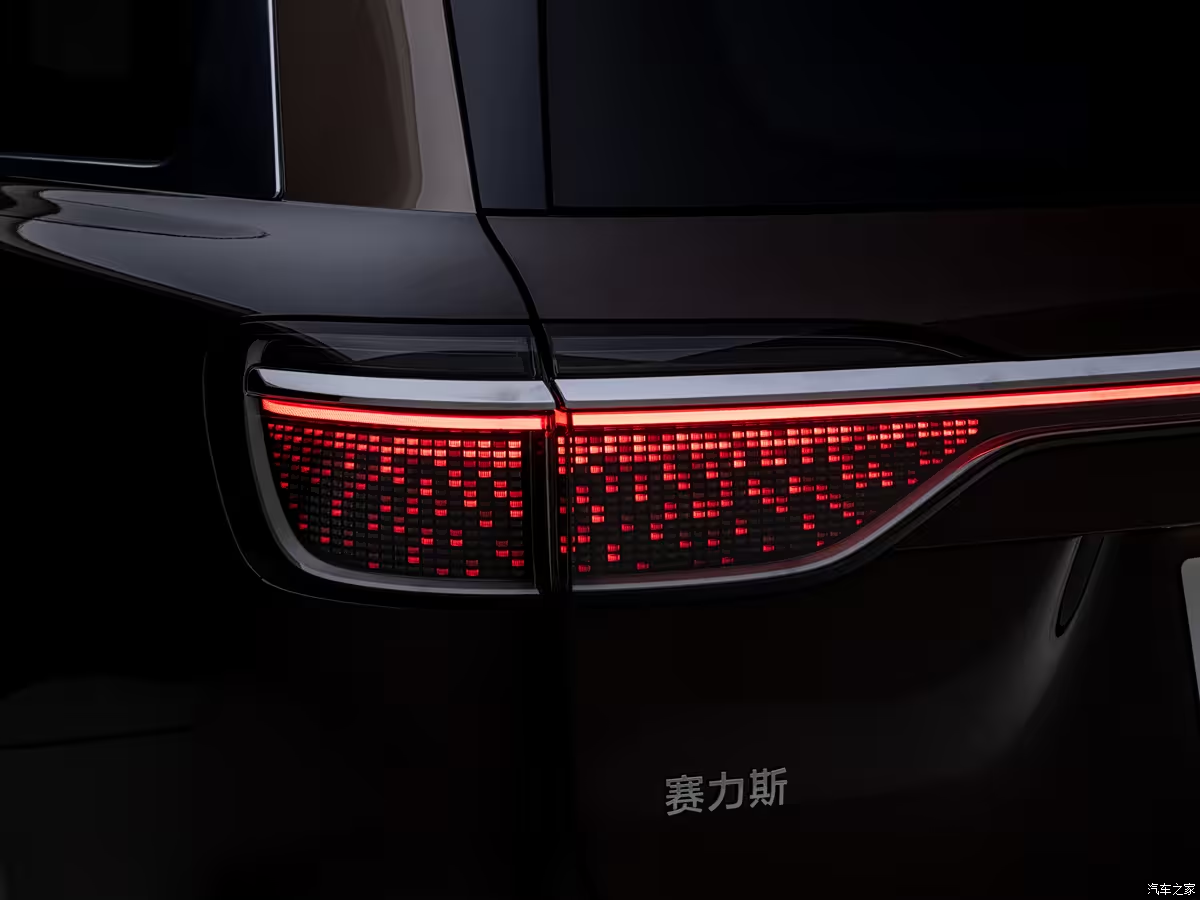
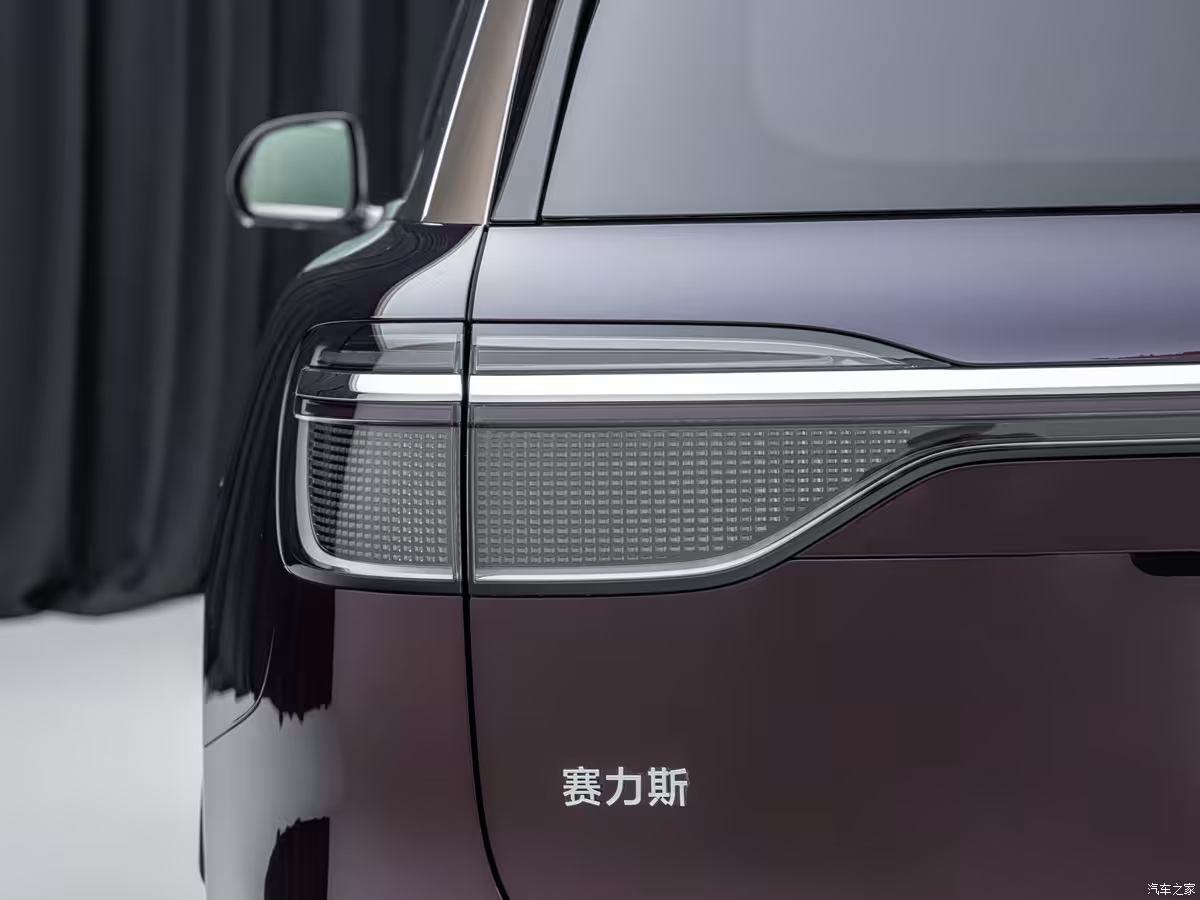
At the rear, new ISD smart interactive taillights replace the previous units. They support OTA-updatable light patterns and scene-specific animations. The drag coefficient comes in at Cd 0.249, which is competitive for a three-row SUV of this size.
Cabin: a moving living room that also happens to be a car
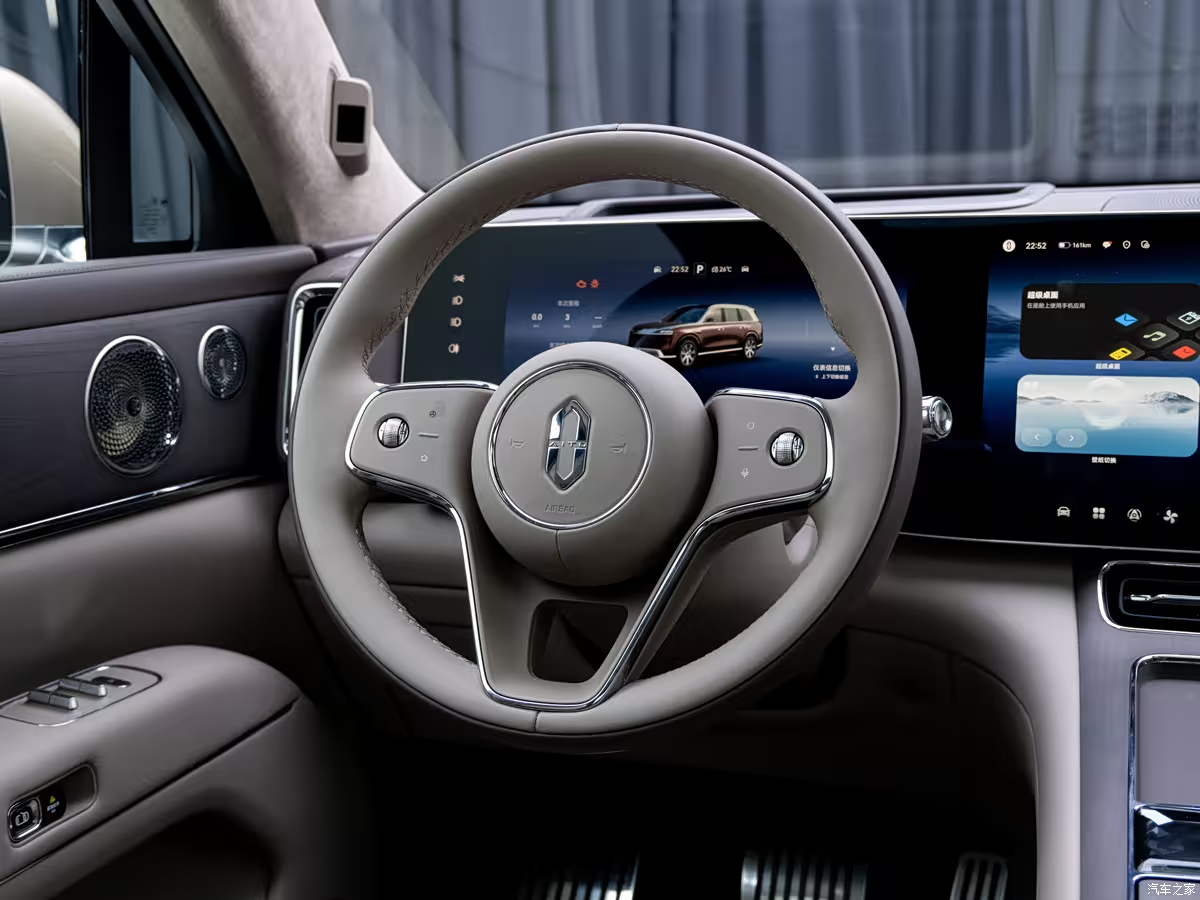
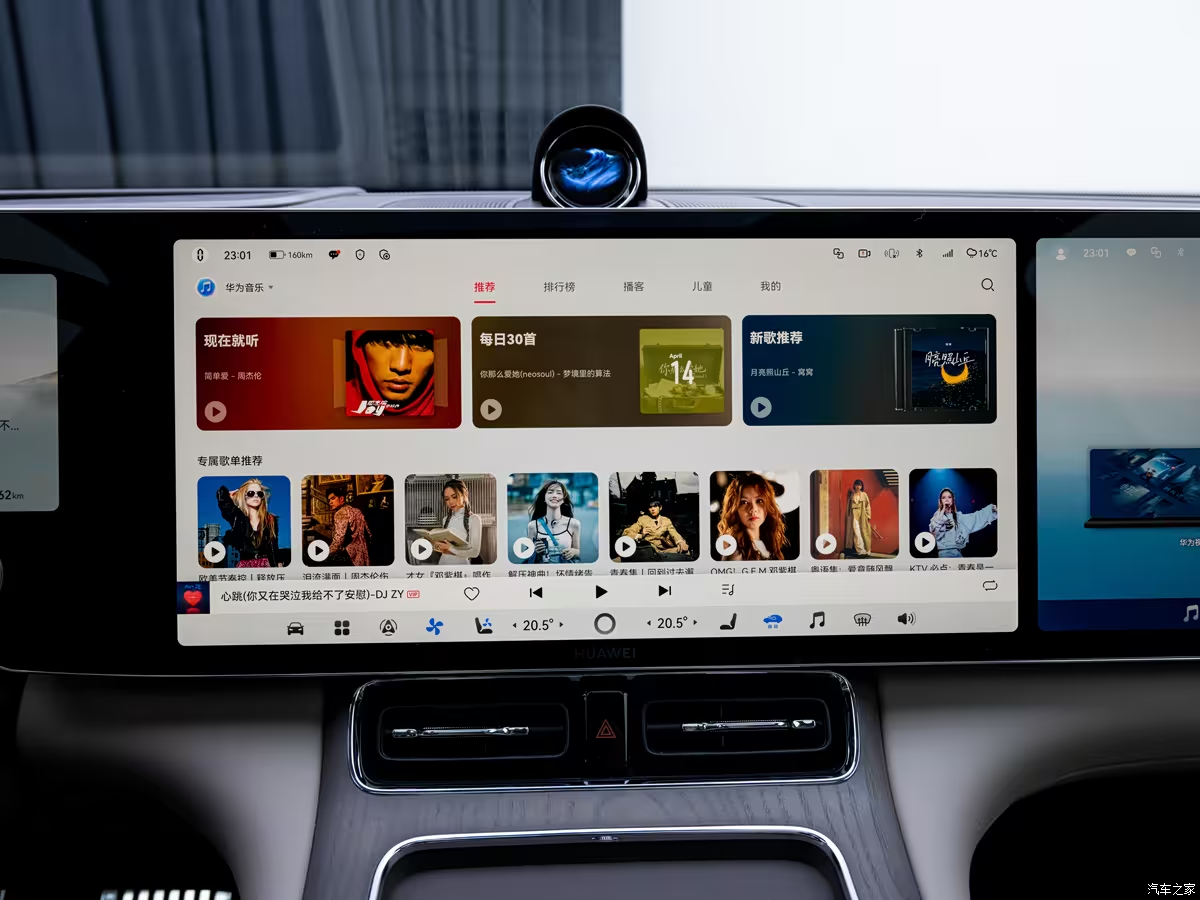
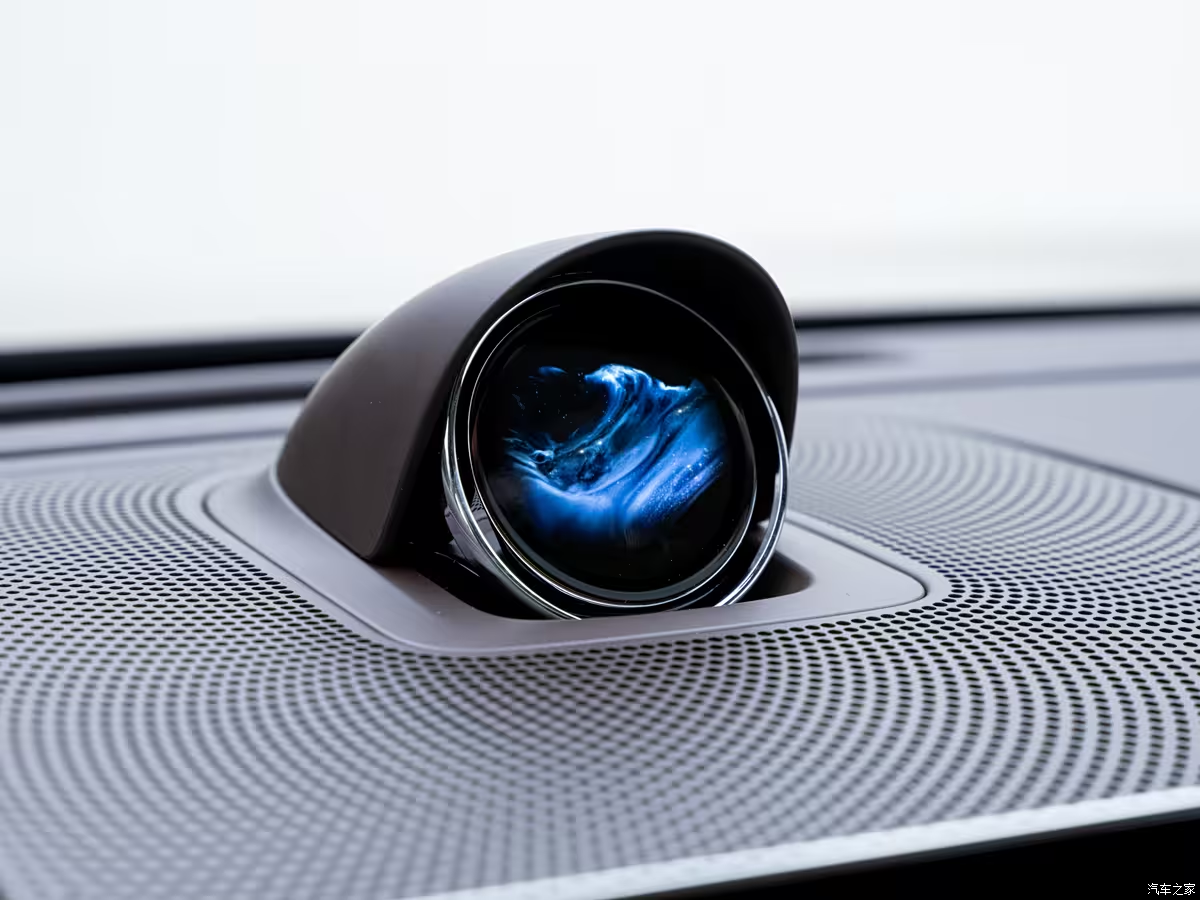
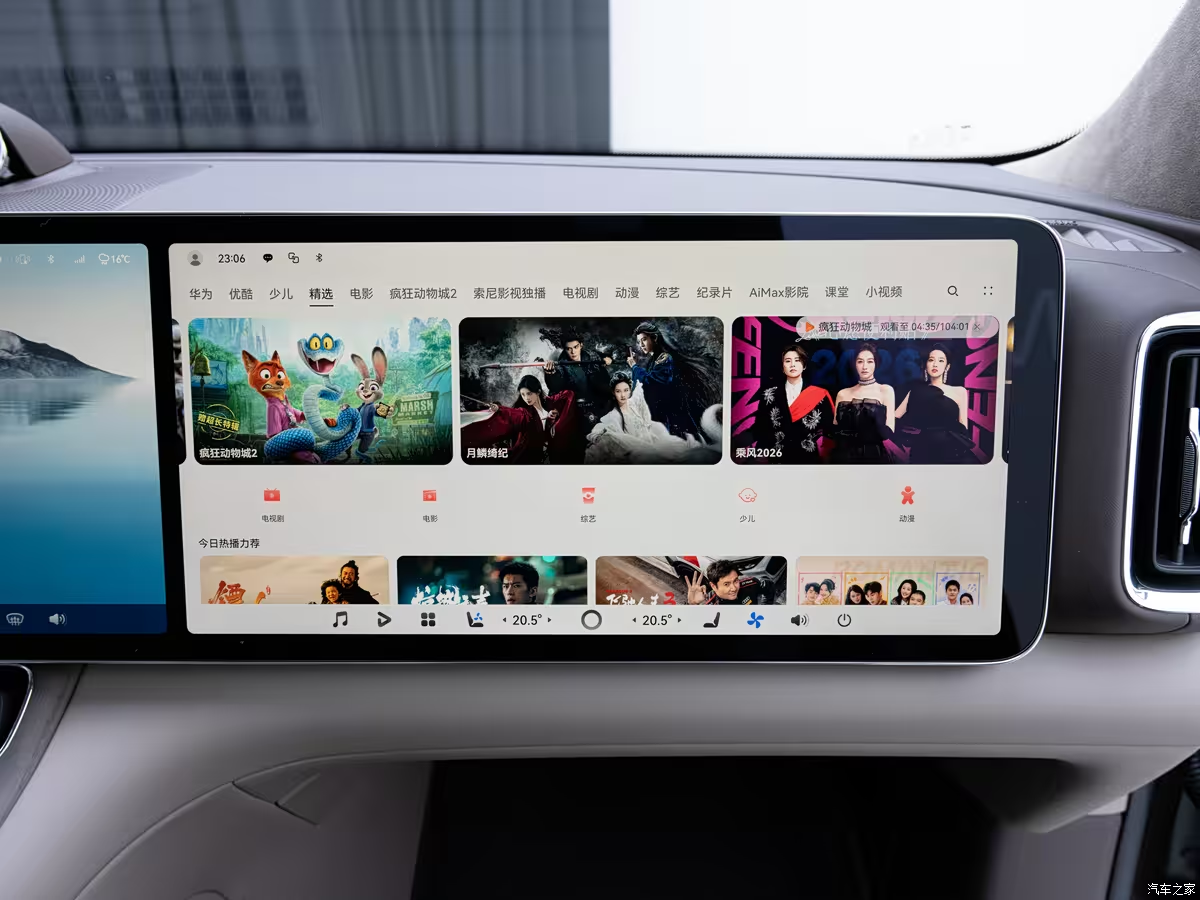
Step inside and AITO’s ambitions become clear immediately. The front of the cabin is dominated by a triple-screen arrangement: a 10.25-inch digital instrument cluster and two 17.2-inch 3.4K displays sit in a wraparound formation, accompanied by an augmented-reality head-up display. The whole system runs on HarmonyOS 4.0 with AITO’s latest AI assistant built in, supporting continuous multi-turn conversation and contextual vehicle control. There is also a new “Star Ring Island” illuminated central element that rotates as you enter and exit, which adds ceremony to the daily ritual of getting into and out of the car.
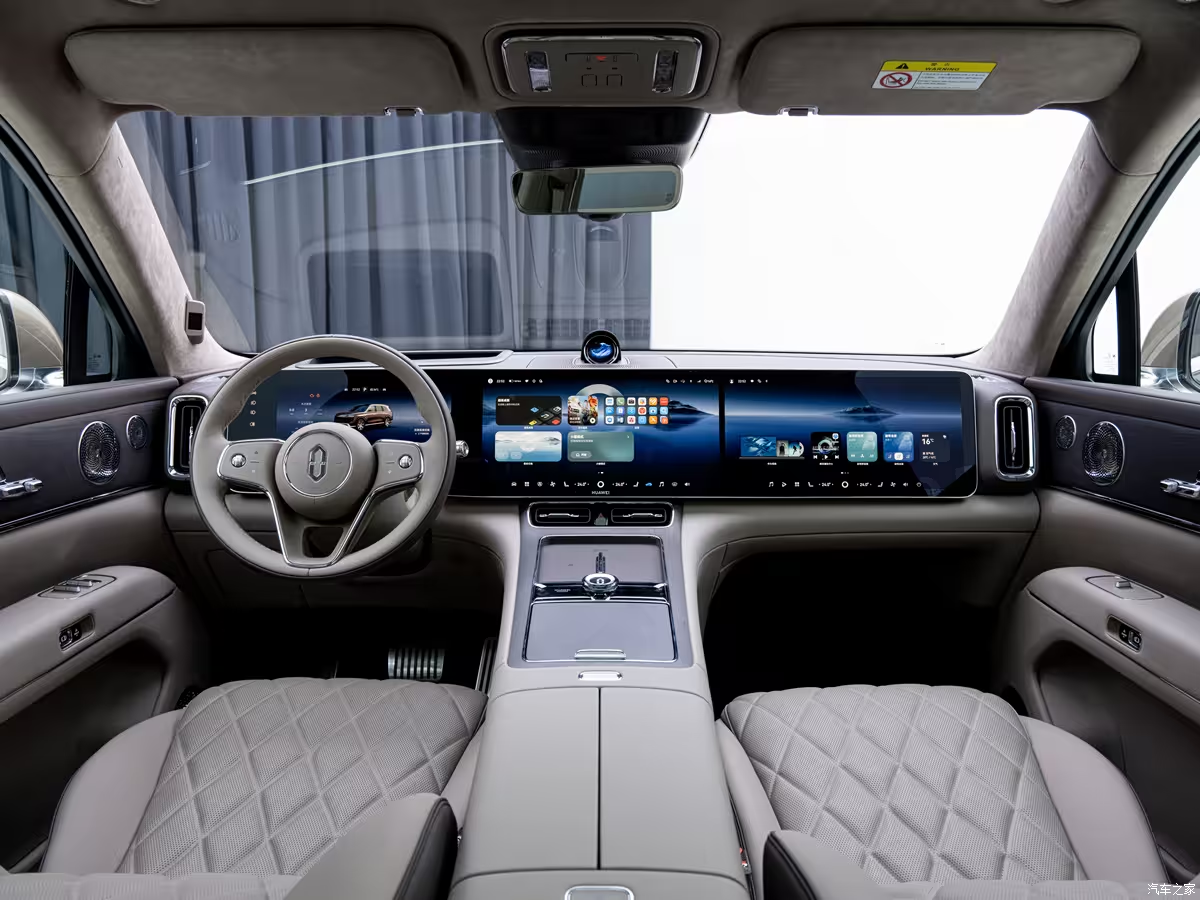
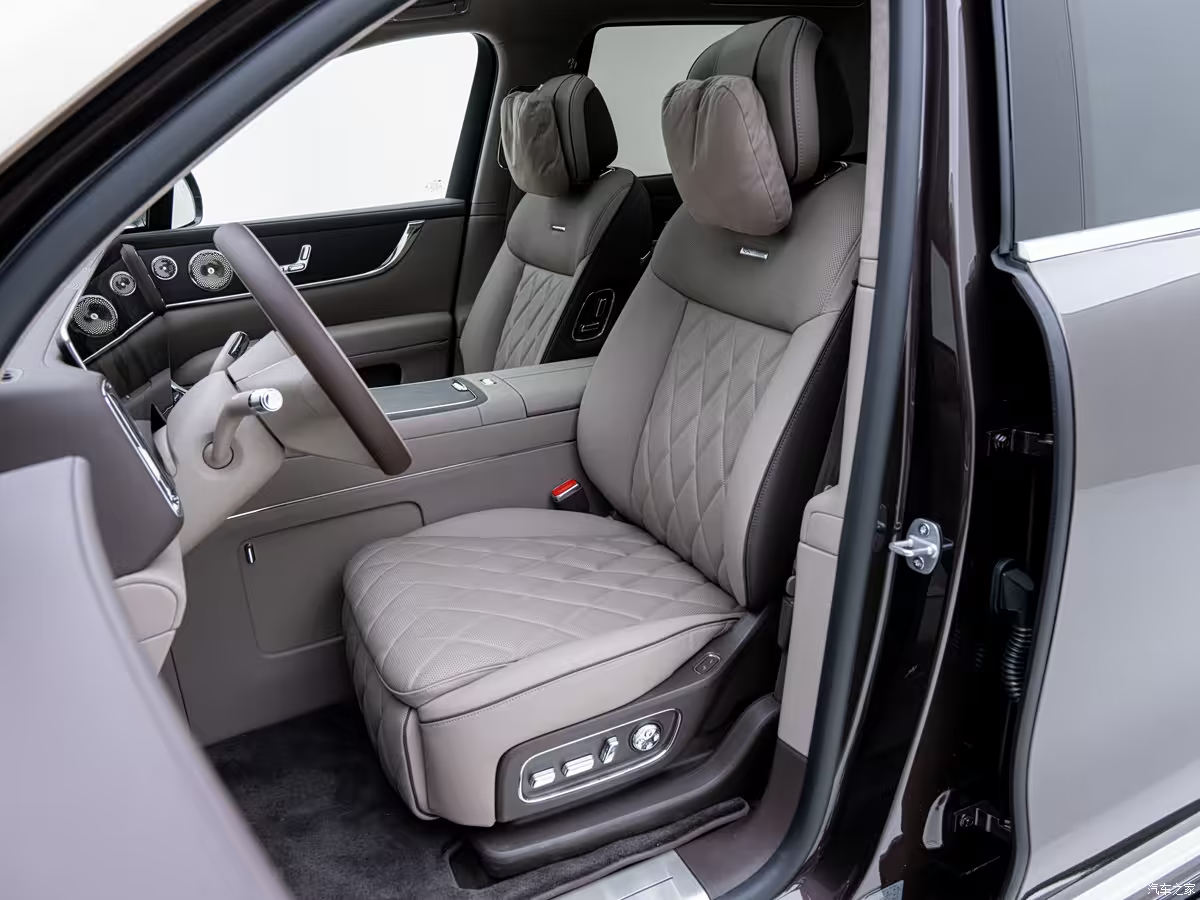
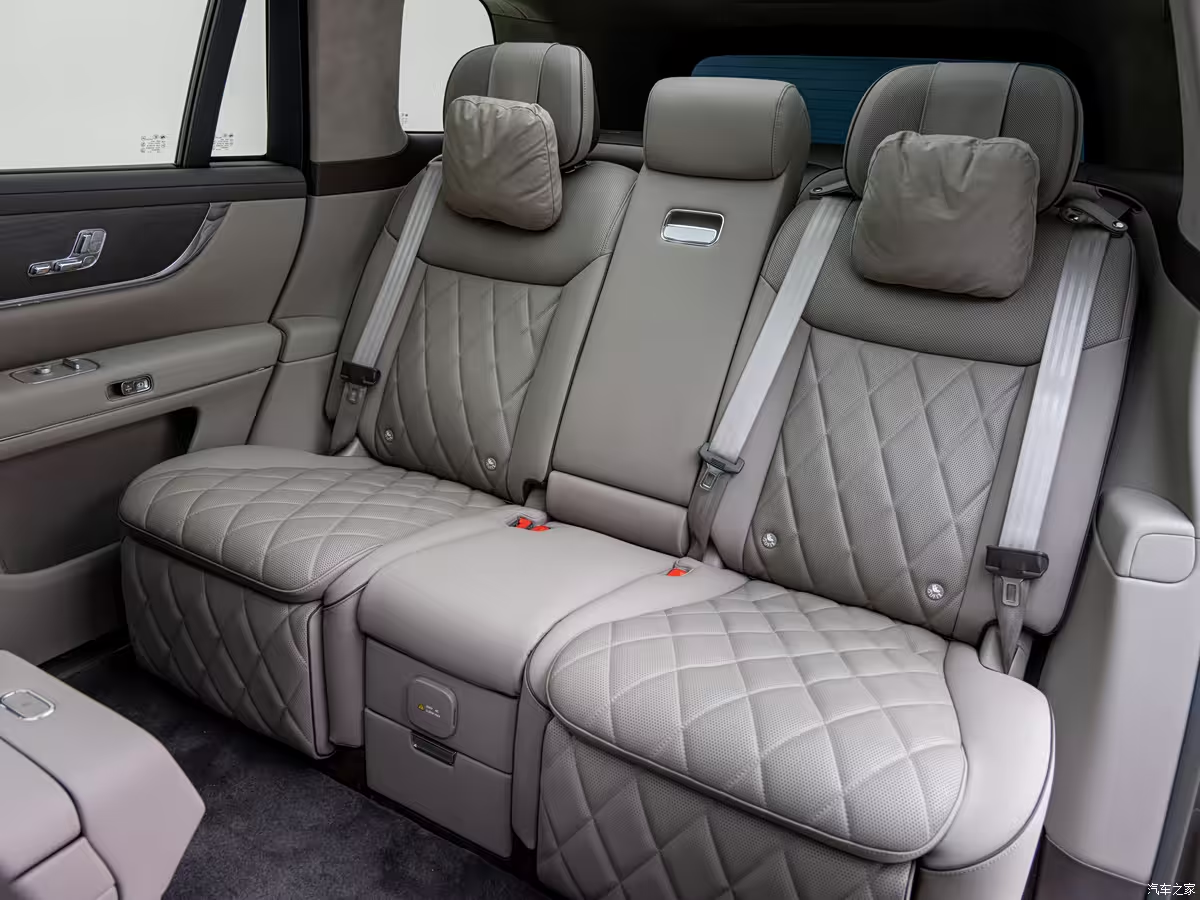
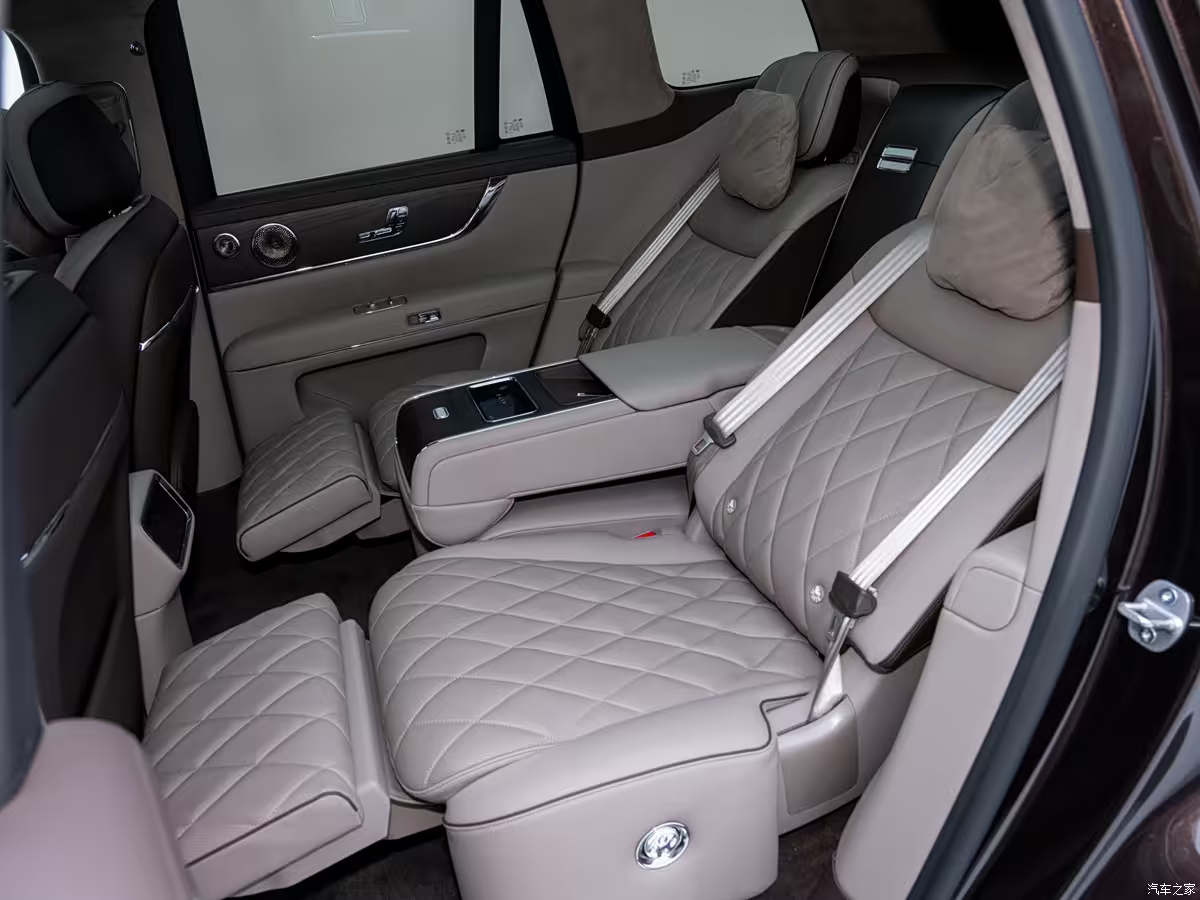
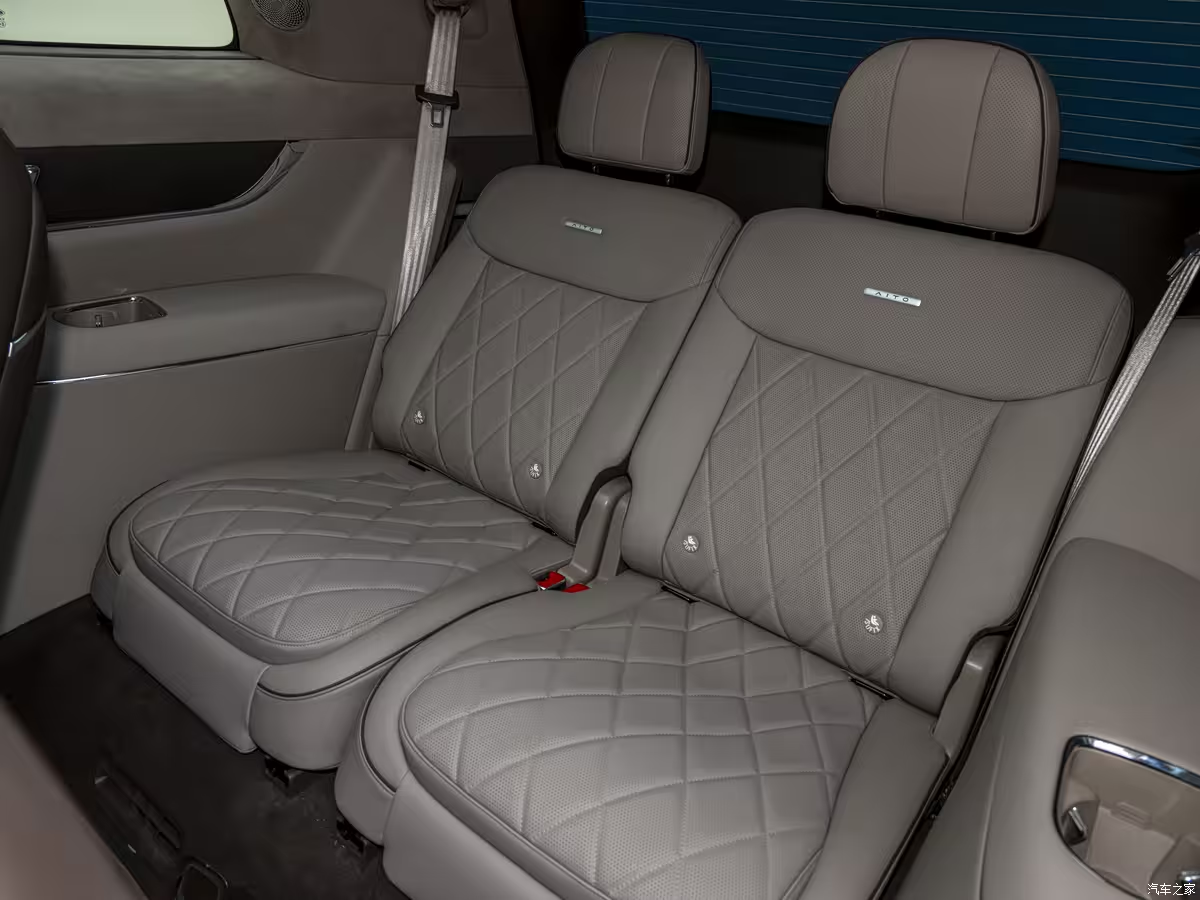
Both five-seat and six-seat configurations are offered. Every variant gets three zero-gravity recliners, with the front two rows supporting heating, ventilation and massage. The driver’s seat adds intelligent active side bolsters that respond to cornering loads. In the six-seat version, the middle-row seats include a self-adjusting horizontal armrest. Third-row passengers get power adjustment and heating, and the backrests fold completely flat.
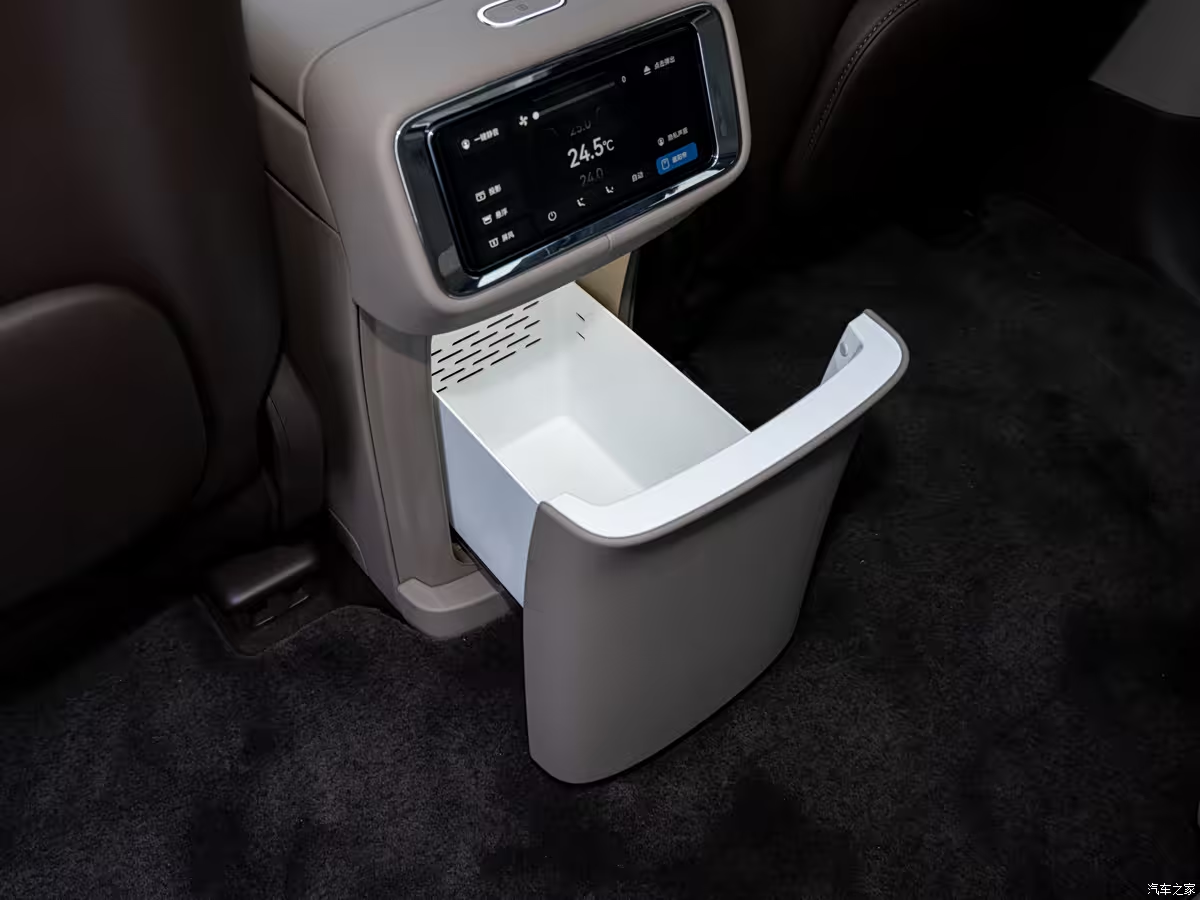
AITO calls the rear heating system “Nordic Fireplace”: graphene heaters built into the front seatbacks warm the legs and knees of second-row occupants. It is the sort of feature that sounds eccentric until you are in it on a cold day. A micro-wind air conditioning system and an on-board oxygen generator round out the cabin environment features.
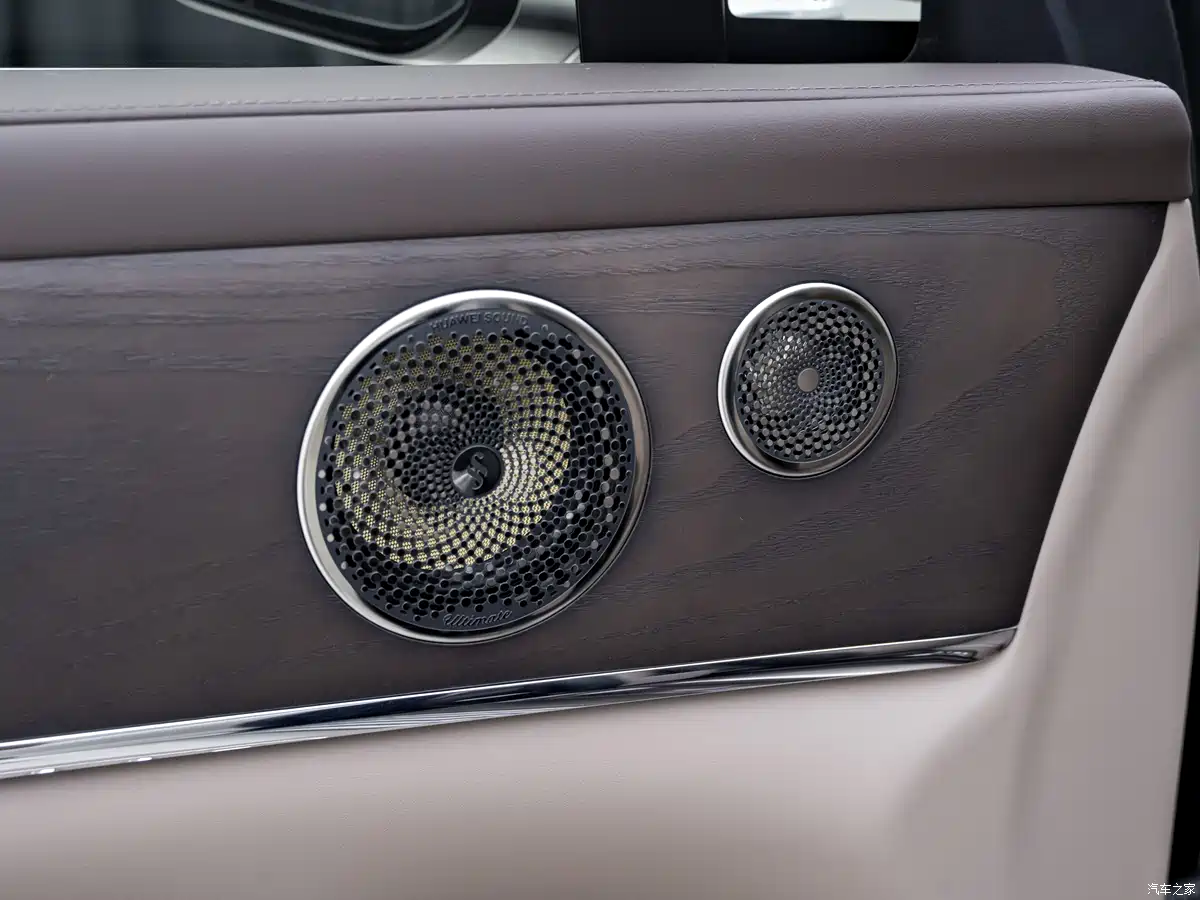
The centrepiece of the rear experience is a 32-inch motorised laser projection screen. It can run as a single widescreen, split into two independent images with separate audio zones for the two headrests, or operate in a semi-transparent rear-projection mode that turns the rear window into a 46-inch outdoor cinema screen — useful, AITO says, for camping scenarios. The 39-speaker HUAWEI SOUND Ultimate audio system operates on a 9.5.4 spatial audio layout with 2,920 watts of amplification. Storage runs to 50 compartments in the five-seat version and 48 in the six-seat, including an electrically-operated combination-lock glove box.
Technology and driver assistance
Every single trim in the 2026 M9 lineup ships with Huawei’s ADS 5 autonomous driving system as standard. That means full navigation-guided driving on motorways, urban roads and in car parks — without any geographic restrictions, AITO says. The sensor array is genuinely unusual in its density: six LiDAR units in total, comprising one 896-line unit at the front, one in-cabin LiDAR that monitors occupant status, and four high-precision solid-state units at the corners. Supporting them are three distributed 4D millimetre-wave radars, two additional 4D corner radars, eleven cameras, twelve ultrasonic sensors and six exterior microphones. The full count is 40 sensors across the vehicle. A gesture control system lets you wave a door shut, adjust the cabin lighting, or control the rear projection screen and windows without physically touching anything.
Body structure is the Xuanwu 2.0 architecture with an aluminium and high-strength steel ratio of 91 percent, including ten sections of 2,200-MPa ultra-high-strength hot-stamped steel. There are 13 airbags with an AI-adaptive restraint system that adjusts deployment characteristics based on occupant sensing.
Powertrain: 800V dual silicon carbide platform
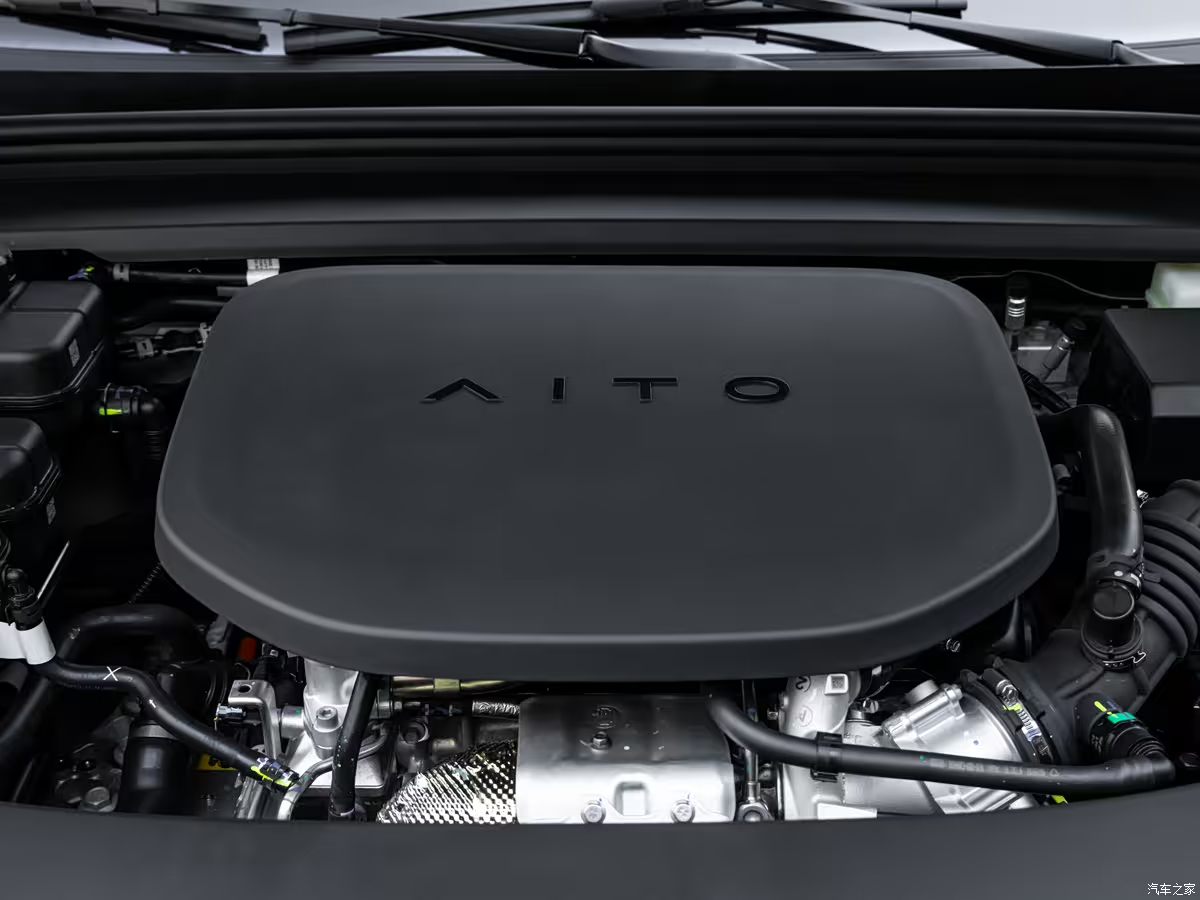
The extended-range variants use a 1.5-litre turbocharged engine producing 118 kW to charge the battery, paired with a 220 kW front motor and a 277 kW rear motor. The 60 kWh battery pack delivers 340 km of pure-electric range with a total range of 1,345 km; the 75 kWh pack improves those figures to 422 km and 1,405 km respectively on the CLTC test cycle. The battery-electric variant uses the same dual-motor configuration with a 120 kWh pack and 715 km of CLTC range. All versions run on an 800V silicon carbide architecture.
Chassis hardware includes front double-wishbone and rear multi-link independent suspension, closed dual-chamber air springs, continuously variable damping, and 800V active suspension that can control each corner independently. Rear-wheel steering spans ±8 degrees. The system reads road conditions in advance and selects from five modes — wet surface, snow, sand, off-road recovery and wading — automatically.
AITO M9 Ultimate: the long-wheelbase flagship
The Ultimate long-wheelbase variant deserves separate attention. It stretches the body to 5,402 mm with a 3,236 mm wheelbase, and it is available in four-seat and six-seat configurations. In the four-seat layout every position is a zero-gravity recliner. In the six-seat version the second-row seats rotate, allowing face-to-face seating. Power comes from a tri-motor extended-range setup — a 2.0-litre engine producing 133 kW plus three electric motors for a combined system output of 664 kW. The BEV version with a 120 kWh battery covers 750 km CLTC. The Ultimate also adds wire-by-wire steering, a fully-active suspension, water-crystal buttons, embroidered seat inserts and a 43-speaker audio system. An exclusive Yadan Gold-Black paint finish and chrome B-pillar trim set it apart visually. Deliveries of the “Pioneer Edition” begin in August 2026, with volume production following in September.
Pricing and verdict
The Max+ range starts at ¥479,800 (approximately $70,660) for the five-seat extended-range version, climbing to ¥509,800 (~$75,080) for the six-seat BEV. Ultra trims run from ¥539,800 to ¥549,800 (~$79,500 to ~$80,970). The Ultimate long-wheelbase begins at ¥649,800 (~$95,700) and tops out at ¥659,800 (~$97,170). Buyers who commit before June 30 are eligible for up to ¥52,000 in purchase incentives; existing M9 owners can stack an additional ¥50,000.
The original M9 succeeded by packaging technology that its German competitors simply could not match at any price. The 2026 model takes that same logic and runs with it further. A bigger body, a denser sensor suite, a more capable AI system, and an entirely new ultra-luxury tier in the Ultimate — these are the moves of a brand that is not waiting to see what its rivals do next. Whether the market responds as enthusiastically as it did the first time around is the only genuinely open question here.